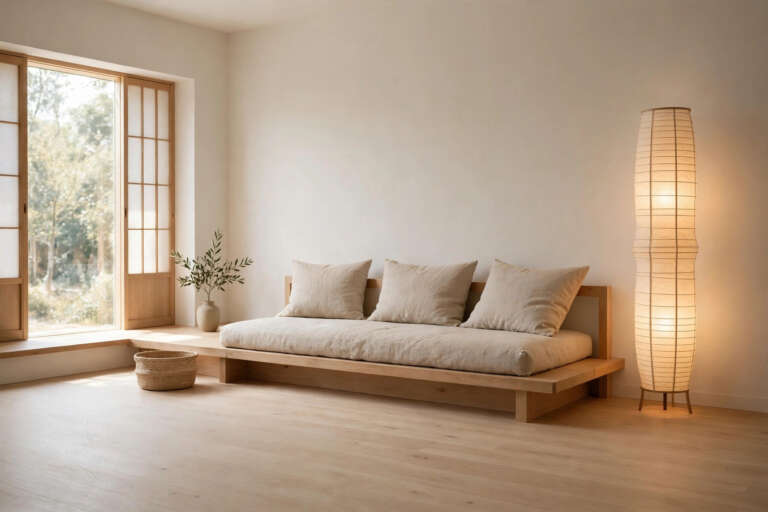
Small Space Decor Mistakes to Avoid
Small homes are not the problem. The habits we bring from bigger homes are. Most cramped rooms are not short on space, they are short on editing, light and furniture that truly fits.
The encouraging news is that the most common small space decor mistakes cost nothing to fix. They ask for rearrangement, subtraction and a little honesty about how you live, not a shopping trip.
This guide walks through eleven of them, one by one, with the simple change that undoes each mistake. Work through your own room as you read, and you will probably spot your top three before you reach the end.
1. Using Only Small-Scale Furniture

It feels logical. Small room, small furniture. But a room filled with many tiny pieces looks like a dollhouse and feels restless, because the eye has nowhere to settle. Fewer, larger pieces actually make a small room feel calmer and bigger. One full sized sofa with real cushions beats a loveseat plus three spindly chairs, and a single generous rug anchors the space better than scattered mats. Keep the count low and the comfort high. If you are replacing one thing, scale up the piece you use most, usually the sofa or the bed, and remove two small things to pay for the space it takes.
2. Neglecting Vertical Space

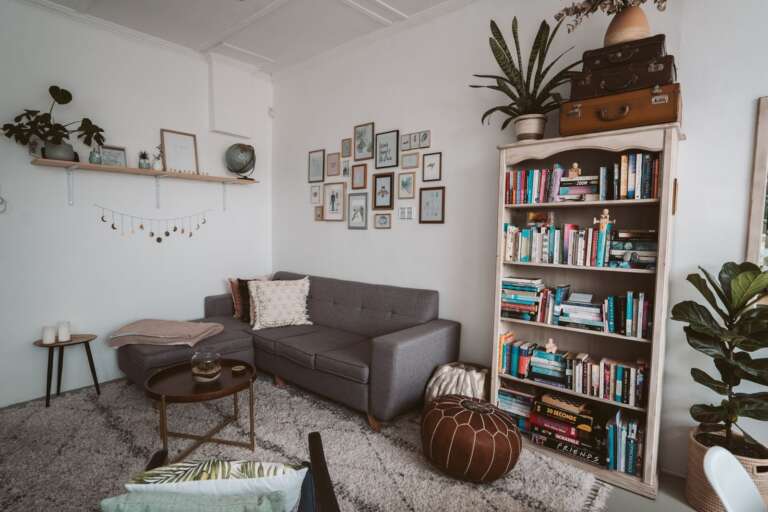
In a small home, the floor plan is fixed, but the walls go all the way up. Most people decorate only the middle band of the room and waste the top third completely. Tall bookcases, shelves that run close to the ceiling and hooks mounted high draw the eye upward and make ceilings feel taller. Store the things you use rarely at the top and daily items within easy reach. Curtains hung near the ceiling instead of at the top of the window frame create the same lifted effect. Think of your walls as storage and display space that costs no floor area at all, because in a small home, that is exactly what they are.
3. Pushing All Furniture Against the Walls

Lining every piece against the walls feels like it should create space, but it usually creates a waiting room, with a dead empty middle and furniture stranded at the edges. Pulling the sofa even a few inches off the wall creates a shadow of depth behind it and makes the arrangement look intentional. Floating one main piece, the sofa or a pair of chairs around a rug, defines a real zone for sitting and talking. The room does not get smaller. It gets organized. Try it for a week before you judge, because most people who float their furniture in a small room never push it back.
4. Overlooking Proper Lighting

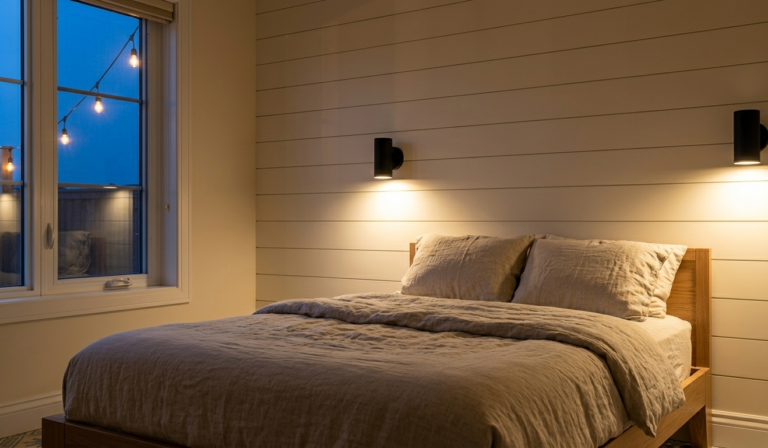
A single ceiling light is the fastest way to make a small room feel like a storage unit. It flattens everything, casts shadows into corners and makes the space feel smaller than it is. Layered lighting fixes the mood and the measurements at once. Aim for at least three sources at different heights, a ceiling or wall light, a floor or table lamp at sitting height, and one low glow from a shelf or corner lamp. Warm bulbs keep the light kind. Lighting the corners specifically pushes the walls outward visually, because the eye reads a lit corner as more distance. This is the cheapest room enlargement there is.
5. Blocking Natural Light

Natural light is the one thing that makes a small room feel generous, and it is often blocked by accident. A tall bookcase against the window wall, heavy curtains that cover half the glass even when open, or a sofa back pushed against the sill all steal daylight you cannot replace with lamps. Keep the area in front of windows low and light. Choose sheer or linen curtains that filter glare while letting light through, and hang them wider than the frame so the full window shows when they are open. Mirrors and pale walls near the window stretch the light further into the room.
6. Using Too Many Small Decorative Items

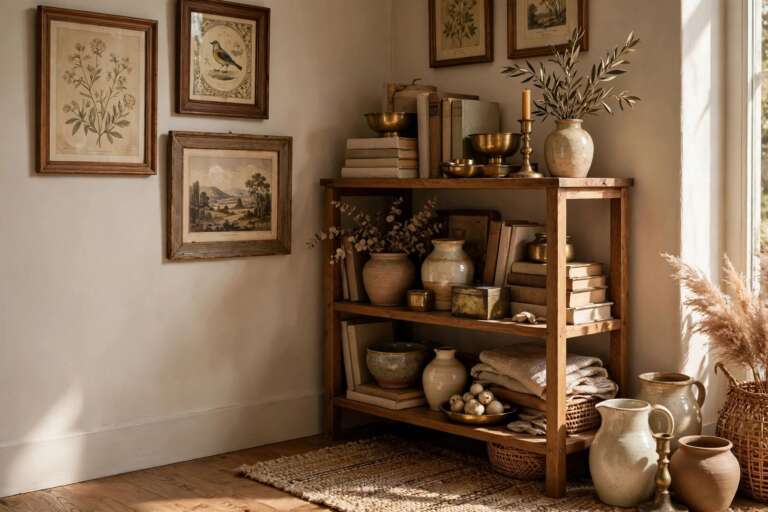
Twenty small ornaments do not read as twenty decorations. They read as clutter, and clutter is the loudest thing in a small room. The fix is grouping and scaling up. Gather the pieces you truly love, store or donate the rest, and display what remains in two or three deliberate groups with space between them. One large vase beats five small ones, and a single oversized piece of art beats a scattered mini gallery. Empty surface is not wasted surface in a small home. It is what lets the pieces you keep actually be seen. Edit one shelf completely and feel the difference before you do the next.
7. Forgetting the Power of Mirrors

Mirrors are the oldest trick in the small space book because they genuinely work. A well placed mirror reflects light and view, and the brain reads that reflection as more room. Go bigger than feels safe. A large mirror leaning against a wall or hung opposite a window can change the whole feeling of a tight space, while a tiny mirror does almost nothing. Place it to reflect something worth seeing, the window, a plant or your best lamp, never the clutter corner. Mirrored or glass topped side tables pull the same trick at furniture level, adding a surface without adding visual weight.
8. Choosing “Heavy” Furniture Styles

Some furniture takes up visual space far beyond its measurements. Dark, boxy pieces with skirts that hide their legs sit on the floor like boulders and make a small room feel crowded even when the floor plan is fine. Choose pieces with visible legs, open bases and lighter finishes, so you can see the floor continuing underneath them. That glimpse of floor is read by the eye as more room. Glass, acrylic and slim metal pieces lighten things further. You do not need to replace everything. Swapping the heaviest single piece, often an armchair or a coffee table, for a leggy version changes the whole room.
9. Lack of Hidden Storage

In a small home, everything that is out is on display, so storage that hides things is worth twice its size. A storage ottoman swallows blankets and games, a bed with drawers replaces a dresser, and a bench with a lift up seat tames entryway shoes. When you shop for any new piece, ask whether a version exists that stores something. Baskets with lids, closed cabinets instead of open shelves in busy spots, and a trunk as a coffee table all keep the room looking calm while life happens inside them. The goal is simple. Every object should have a home that is not the floor or the sofa.
10. Using Too Many Different Floorings

Chopped up flooring makes a small home feel like a patchwork of even smaller rooms. Every change of material is a line the eye stops at, and those stops shrink the sense of space. Running one flooring continuously through connected areas stretches the whole footprint instead. If replacing floors is not an option, large rugs that cover most of a room give a similar unified effect and soften the breaks between materials. Keep thresholds simple and colors close in tone where floors do change. This is a quiet, background fix, but visitors will feel the difference the moment they walk in, even if they never name it.
11. Playing It Too Safe with Color

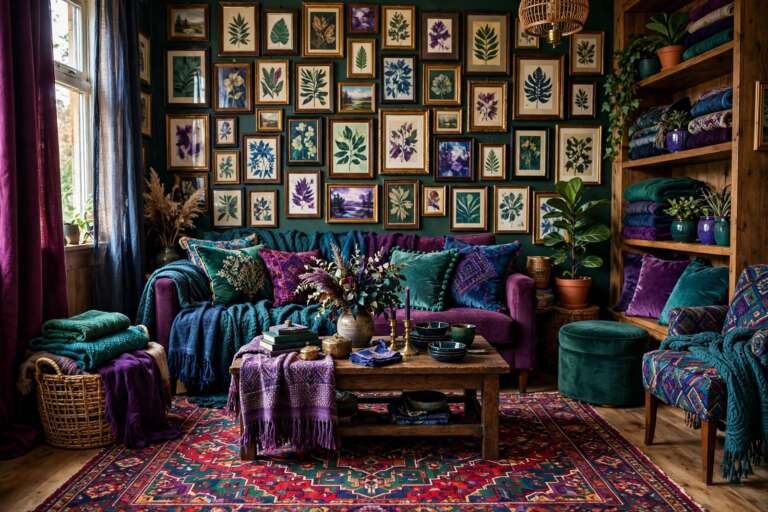
The fear of making a small room feel smaller pushes many people into painting everything pale and buying only beige. The result is often a room that feels flat and unfinished rather than spacious. Color, used with confidence, gives a small space a point of view. One deep wall can recede and add depth, rich cushions and art bring the energy that small rooms need, and a clear palette of two or three colors keeps it coherent. Pale rooms work too, but they need texture and contrast to avoid blandness. The real mistake is not choosing color or no color. It is choosing nothing at all.
Conclusion
A small room rarely needs more space. It needs fewer, better decisions. Scale the furniture up and the ornament count down, lift storage onto the walls, light the corners, protect the daylight and give the room one or two confident moments of color or shine. None of these fixes require a renovation, and most require nothing but an afternoon and a donation bag. Start with the three mistakes you spotted in your own home while reading, fix those first, and live with the change for a week. Small spaces reward editing more than any other kind of home, and every edit makes the next one easier.
Frequently Asked Questions
What is the biggest mistake people make in small rooms?
Filling the room with many small things. Small furniture, small decor and small rugs fragment the space and make it feel busy and tight. Fewer, larger, well chosen pieces almost always make a small room feel calmer and more spacious.
How can I make a small room feel bigger without spending money?
Pull furniture slightly off the walls, clear the area in front of windows, edit surfaces down to a few favorite objects and move a mirror where it can reflect light. Rearranging and subtracting cost nothing, and together they change a room more than most purchases.
Should small rooms always be painted light colors?
No. Light colors reflect light and are a safe base, but a single deep wall or rich colored furniture can add depth and character without shrinking the room. What matters is balance and contrast, not avoiding color altogether.
How many light sources does a small room need?
At least three, at different heights. One overhead source alone flattens a room. Add a lamp at sitting height and one low or high accent light, and aim them so the corners are lit. Bright corners make the walls feel further away.