Budget Apartment Decorating Ideas, Room by Room
The order you spend in matters more than the amount you spend. Get that wrong and a decent budget vanishes into a room that still looks unfinished.
Here is the order that works, for every room in the apartment. Textiles and rugs first, because they change how a room feels underfoot and how it photographs. Lighting second, because warm light at the right height makes everything you already own look better. Walls third. Storage last, because hiding visual noise is what makes the first three layers look calm. That framework is the heart of budget apartment decorating ideas room by room: the same order works in a studio or a three room rental, and every room below runs it with the cheapest high impact moves first, so a small budget lands where eyes actually notice.
The short version, before we start:
Four layers, always in order. Textiles, lighting, walls, storage. Skipping ahead wastes money.
Finish one room before the next. A finished room beats five half started ones, every time.
Portable pieces win. Rugs, lamps and textiles move with you. Spend there first.
Furniture comes last. Layout is free, and most rooms need less furniture than they hold.
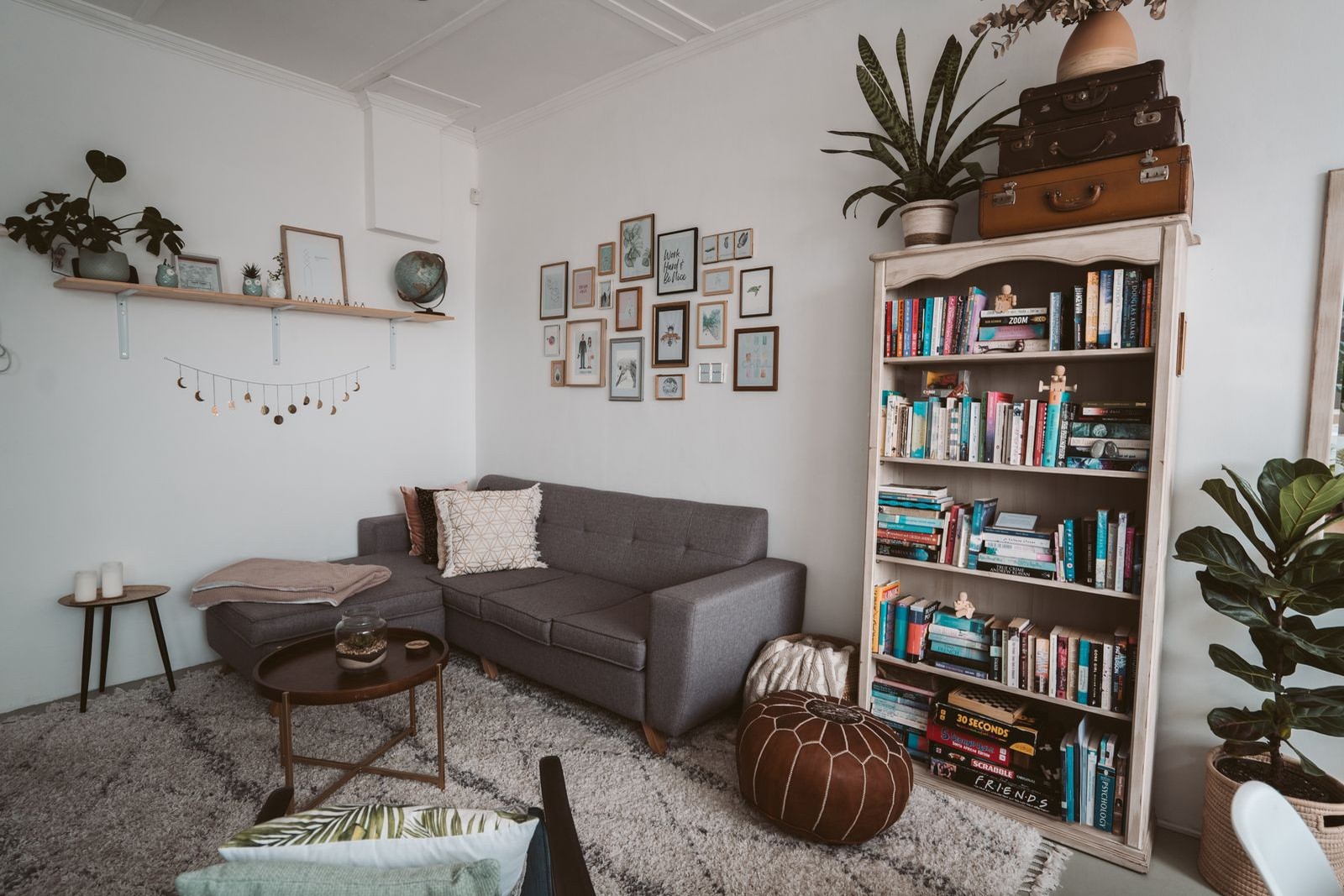
1. Learn the Framework: Four Layers, Always in the Same Order
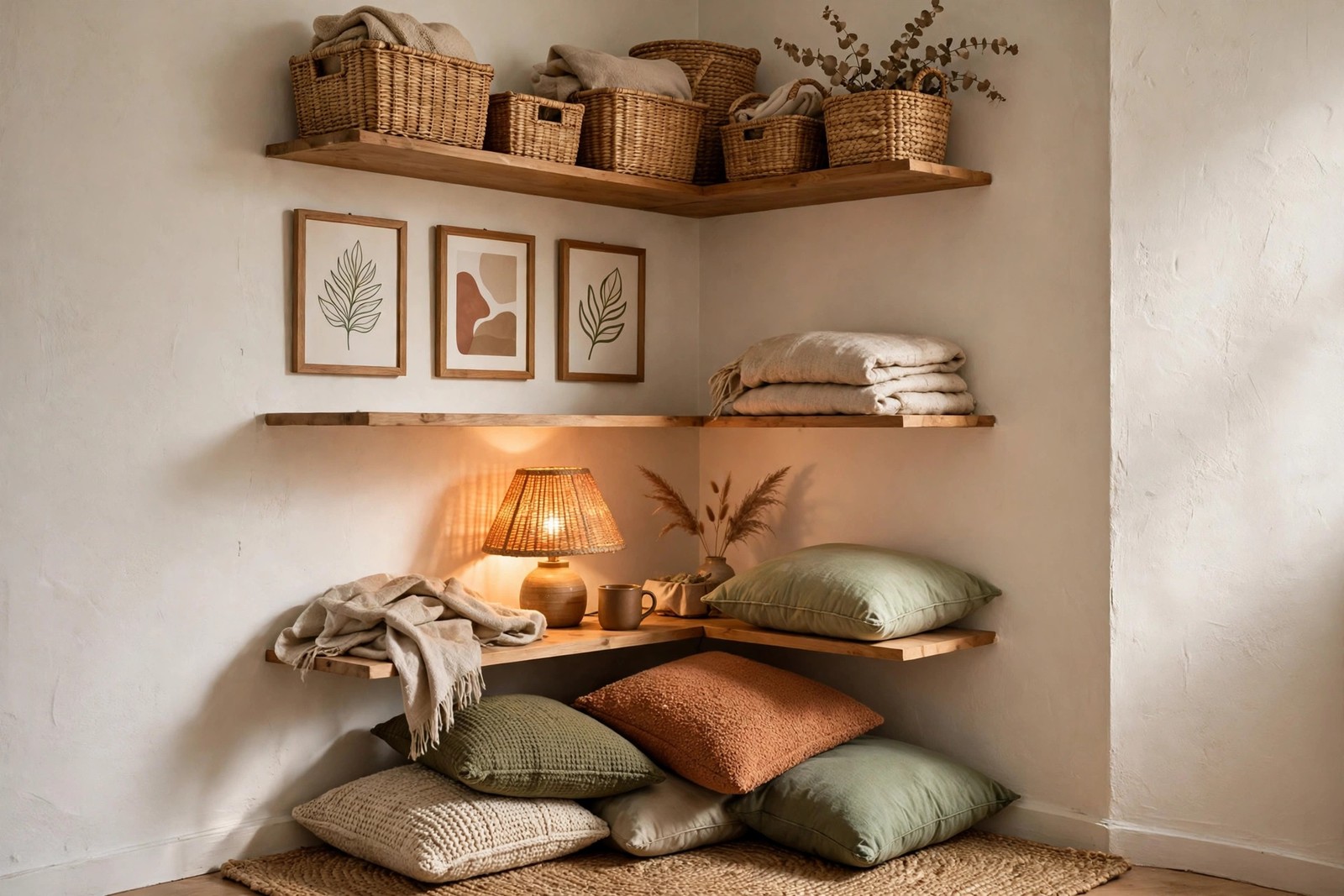
Before any room gets a single dollar, the order matters more than the amount, so learn the order once and reuse it everywhere.
Layer one is textiles: rugs, curtains, cushions, throws, bedding, the soft surfaces your body and eyes touch most. Layer two is lighting: lamps at sitting and standing height to replace the single ceiling bulb. Layer three is walls: paint where it is allowed, art, mirrors, shelves. Layer four is storage: the baskets, boxes and closed pieces that make the first three layers look calm instead of busy.
This is the sequence a good renter friendly decorating guide builds on too, because every layer is reversible. Skip ahead to walls while the lighting is still harsh and every dollar works half as hard. I have watched people paint a room three times while sitting under one cold ceiling bulb, and the paint was never the problem.
2. Entryway: Build a Landing Strip, Not a Dumping Zone
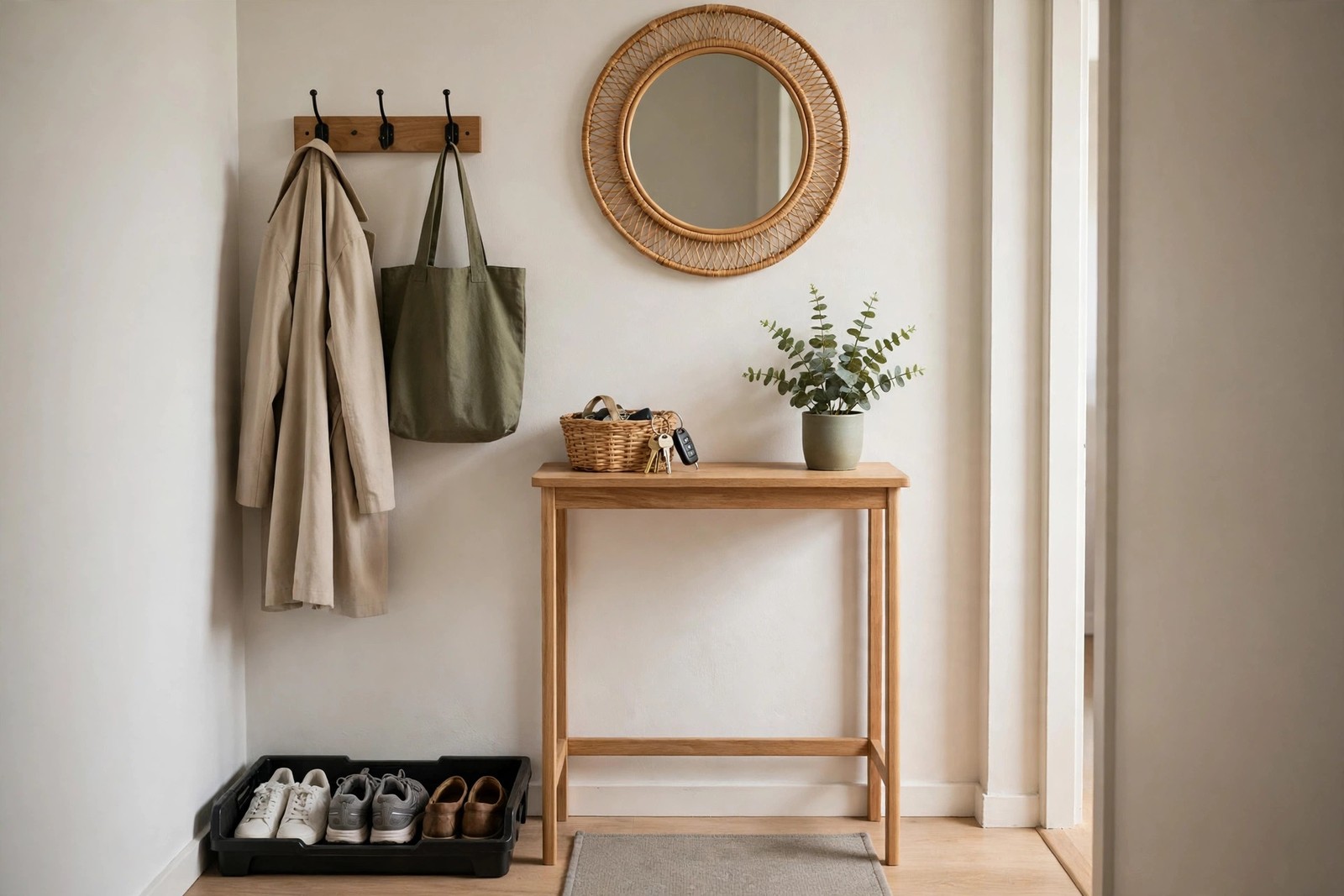
The entryway is the smallest room in the apartment and the hardest working, and it deserves its layers in miniature.
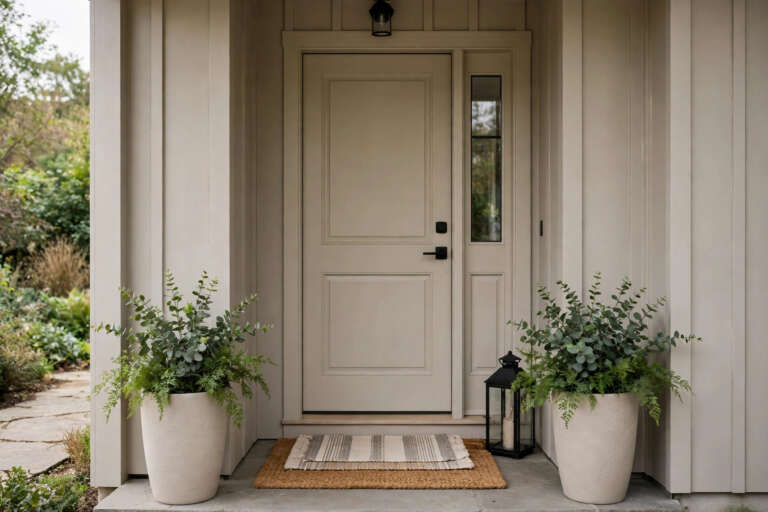
Give it a strict landing strip: one hook or peg per person for the daily coat and bag, a tray or mat that marks where shoes stop, a small basket for keys and post, and a mirror if the wall allows one, because the last look before leaving is a daily luxury. Everything here can be thrifted, fixed with adhesive or left freestanding, so the whole room can cost less than one dinner out.
The failure to design against is the drift: shoes spreading past the tray, three coats per hook, post piling on the nearest surface. Set the strip up tight, one hook each, no extras, and clutter dies at the door instead of migrating across the apartment. Every other room in this guide stays decorated longer because of this one.
3. Living Room: Textiles First, Then Light, Then Layout
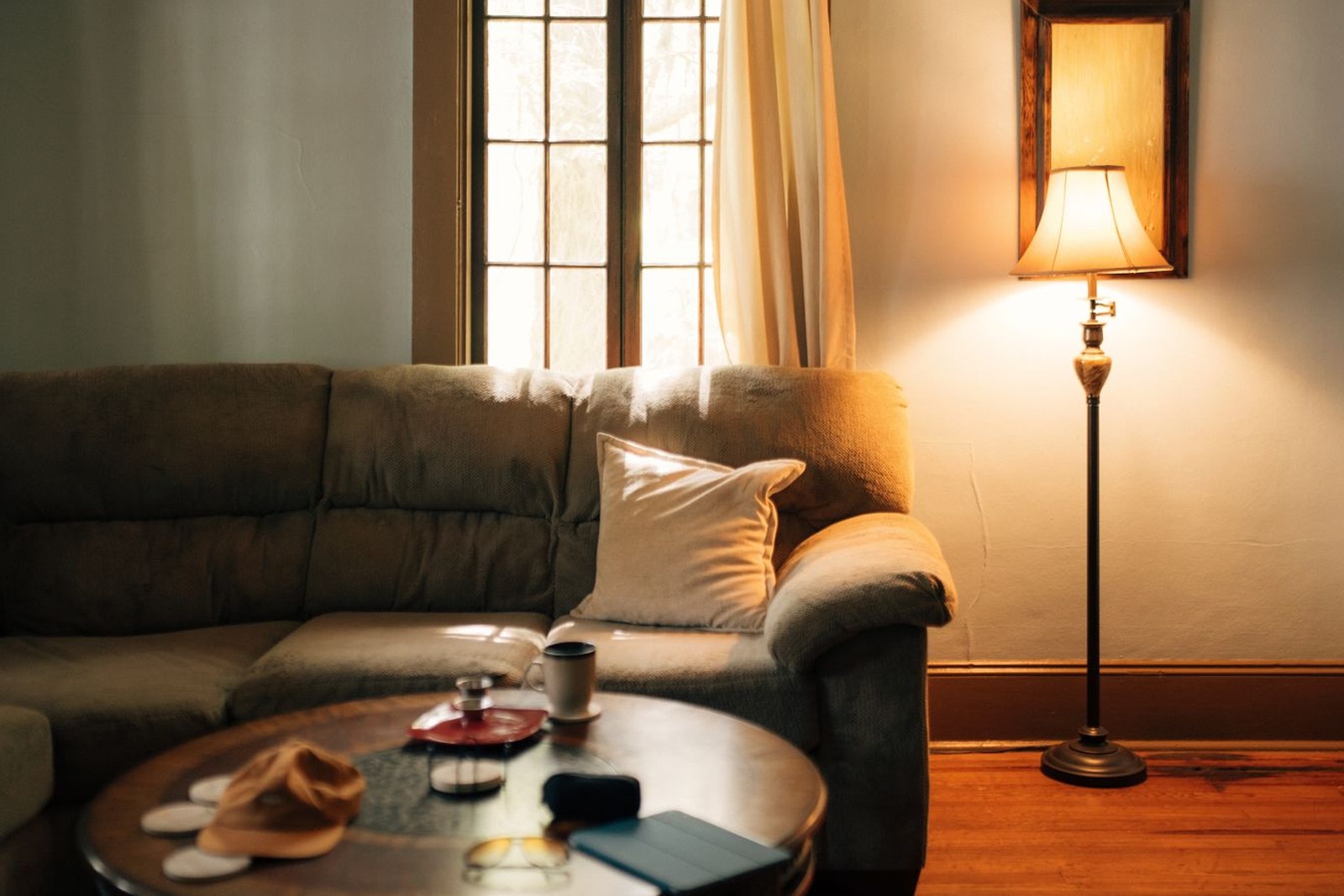
The living room eats budgets when furniture shopping comes first. Reverse it.
Start with the largest rug the room can hold, because it sets the seating zone and hides tired rental floors in one move. As a guide, the front legs of the sofa and chairs should sit on the rug, with at least 8 inches of rug showing behind them if the room allows. Add cushions and one good throw in a tight color family. Then place two lamps, one at reading height and one for general glow, before any wall gets attention.
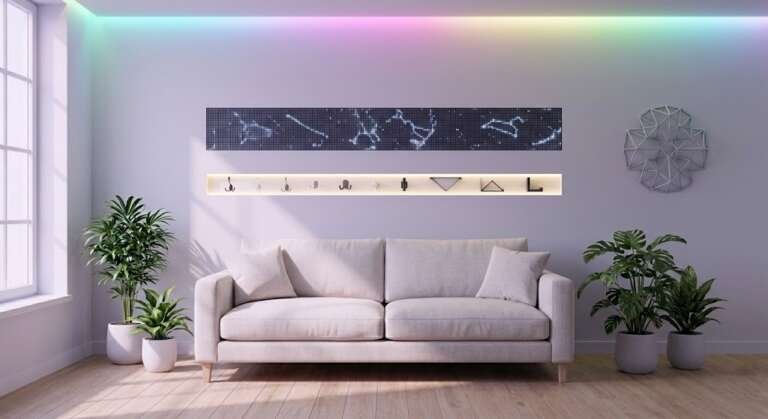
Layout does the rest for free, and the smartest small living room furniture layouts cost nothing but an afternoon of pushing furniture around. Only after textiles, light and layout agree should paint, art or a hero buy enter the conversation. Buy the sofa first and you will spend the next year trying to decorate around a decision you made before the room had a palette.
4. Kitchen: Organize Before You Spend a Cent on Decor
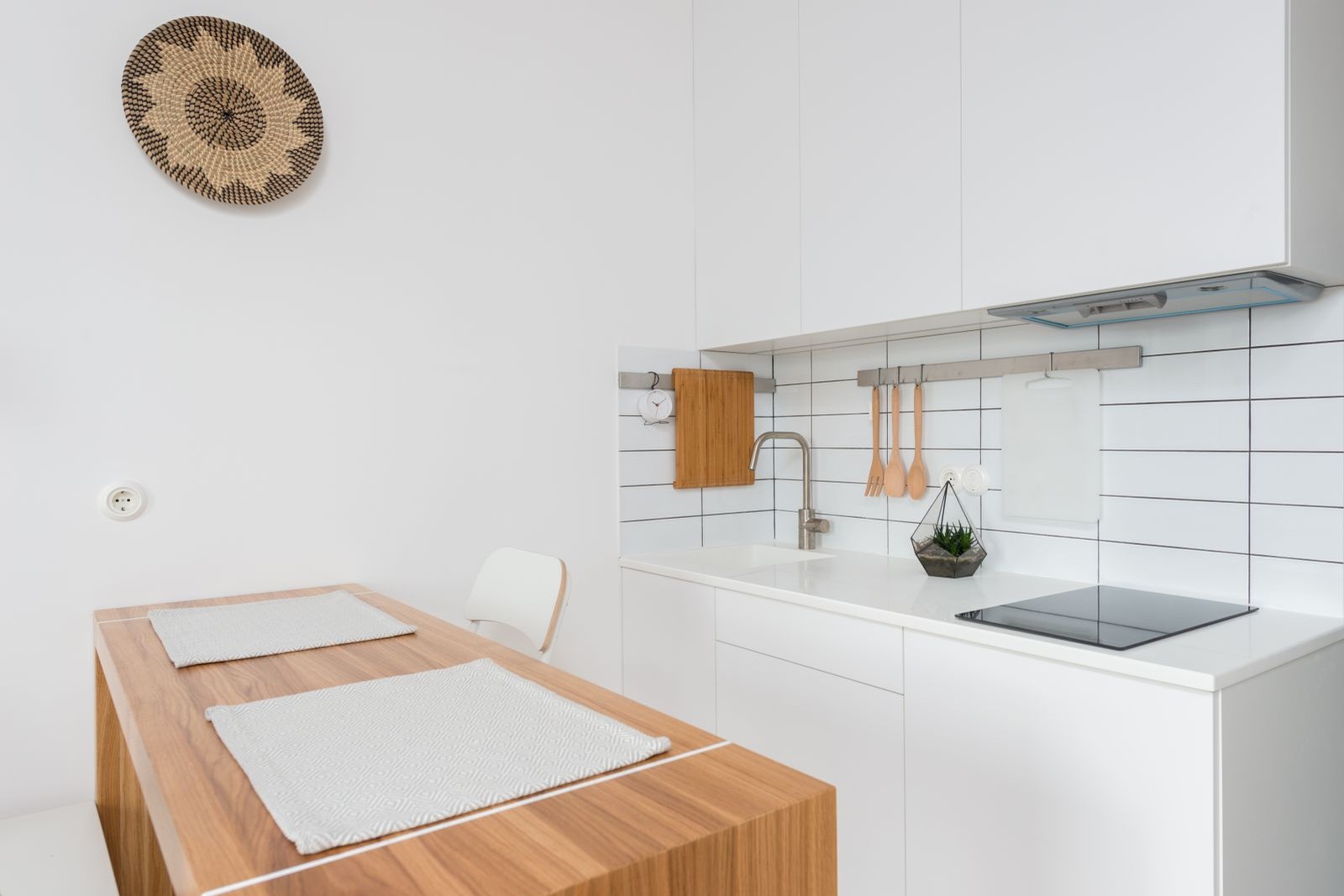
Kitchens punish money spent in the wrong order, because a pretty shelf above chaotic counters still reads as chaos.
Spend the first effort on zones and storage instead: clear the counters back to daily items only, claim the walls and the insides of doors, and let one rolling cart do the pantry’s job. The systems in small kitchen organization ideas for apartments are the budget decorator’s base here, and most cost less than a single decorative buy. Keep counters to the things you touch every day, usually 4 to 6 items, and find closed homes for the rest.
Once the kitchen works, decorate with the cheap trio that always lands: a washable runner, something green, and warm light under the cabinets if the fittings allow. Skip that order and you will buy decor to distract from a mess that organizing would have removed for free.
5. Dining Area: One Table, Many Jobs, One Moveable Centerpiece
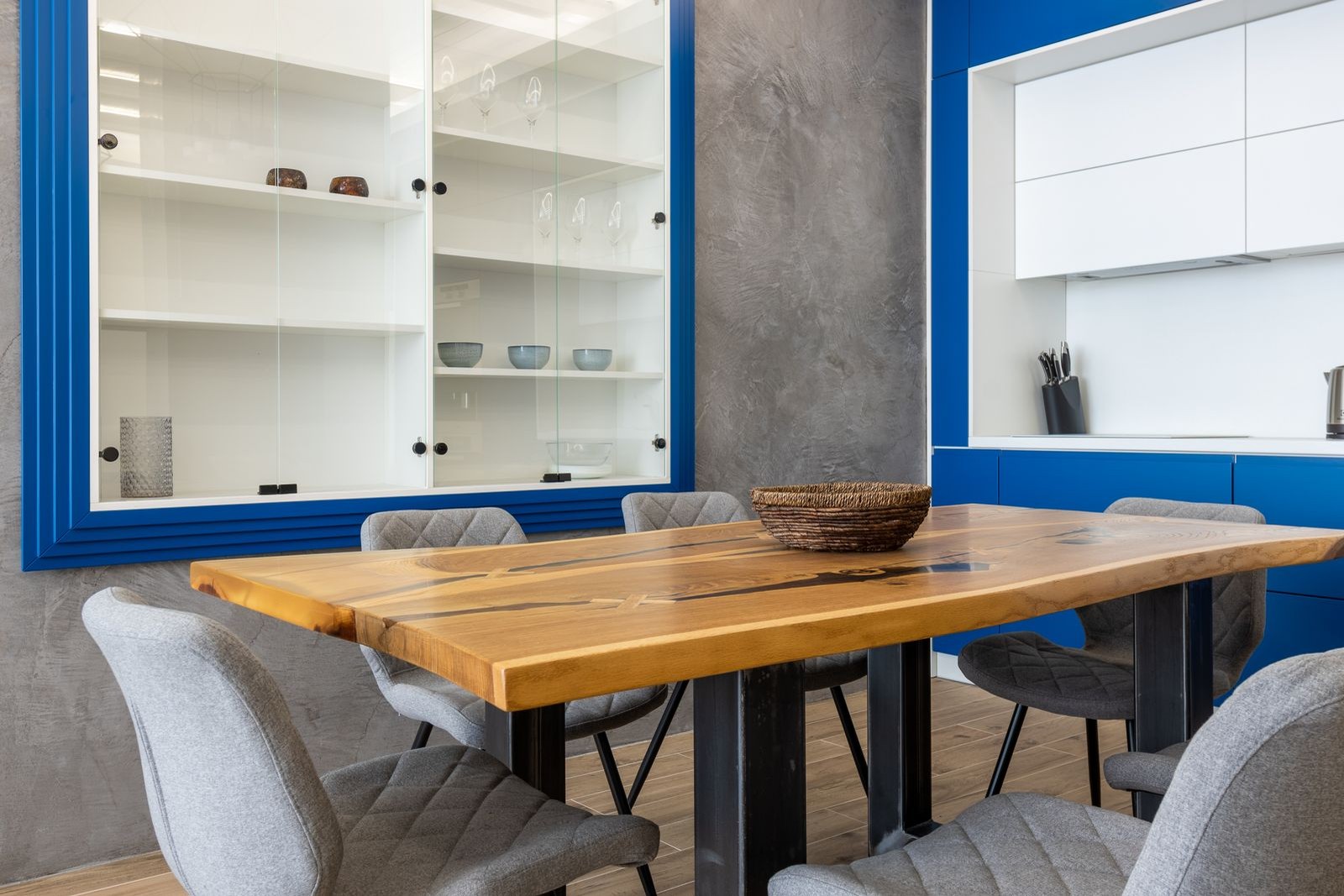
In most apartments the dining table is also the desk, the craft bench and the homework station, so decorate it as a flexible work surface, not a formal set piece.
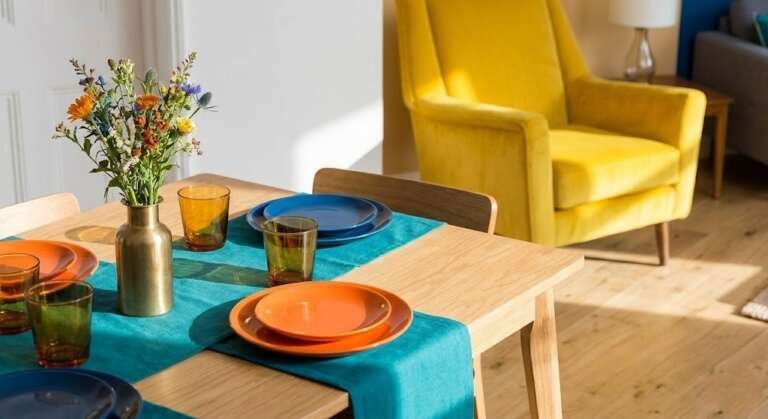
A washable tablecloth or runner changes the room’s color for the price of a pizza and folds away when the table goes back to work mode. Keep one low centerpiece that moves in seconds, a tray with a plant and a candle is the classic, low enough to see faces over, under about 12 inches. Choose stackable or folding spare chairs that live somewhere else until guests arrive, because four permanent chairs around a small table eat the room all week for one dinner.
A pendant, or even a lamp aimed at the table zone, separates dining from living in an open plan, and both halves feel intentional for the cost of one light.
6. Bedroom: The Bed Is the Decor, Spend There First
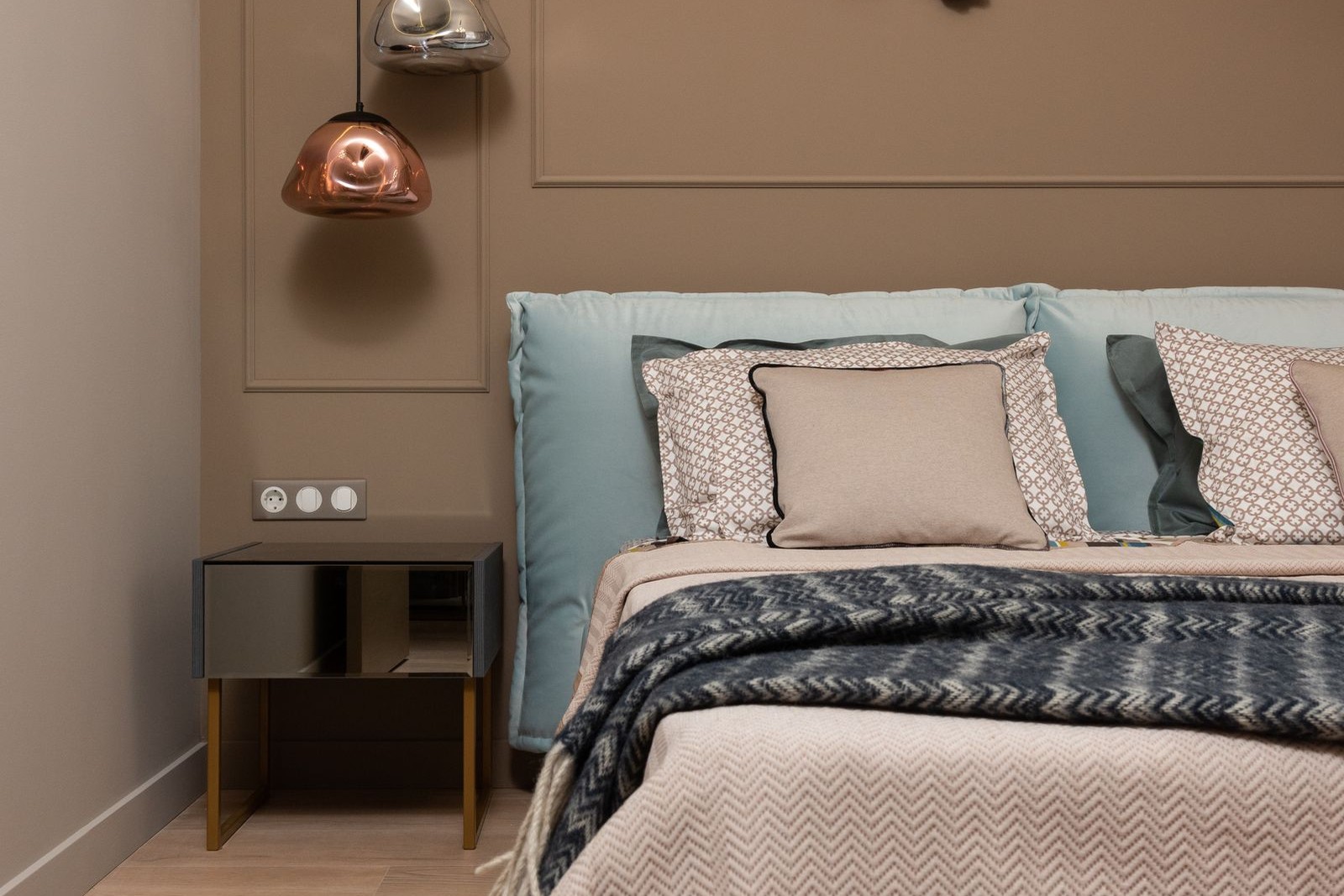
Bedrooms give the best return on budget decorating anywhere in the apartment, because one surface dominates the whole room: the bed.
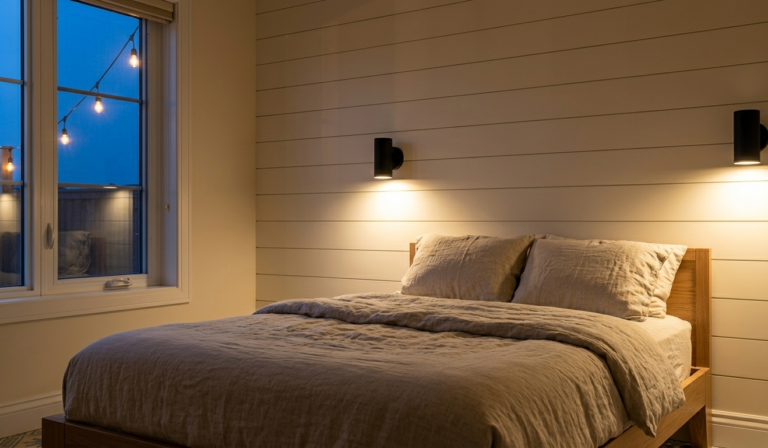
Spend here first. Layered bedding in one calm color story, a throw across the foot, and cushions that prop you up for reading turn a plain bed into the room’s entire design statement, and every piece of it travels with you to the next home. My order inside the room is always bedding, then lamps at the right height, then curtains hung high and wide so the window looks bigger than it is.
The collected budget friendly bedroom decor hacks fill in the rest cheaply, down to one piece of art or a mirror above the bed. Everything else in the bedroom can stay plain while the bed does the talking. The classic mistake is spreading the money thin across six small objects nobody notices, instead of one bed that looks like a hotel made it.
7. Bathroom: Hide the Bottles, Add One Soft Thing
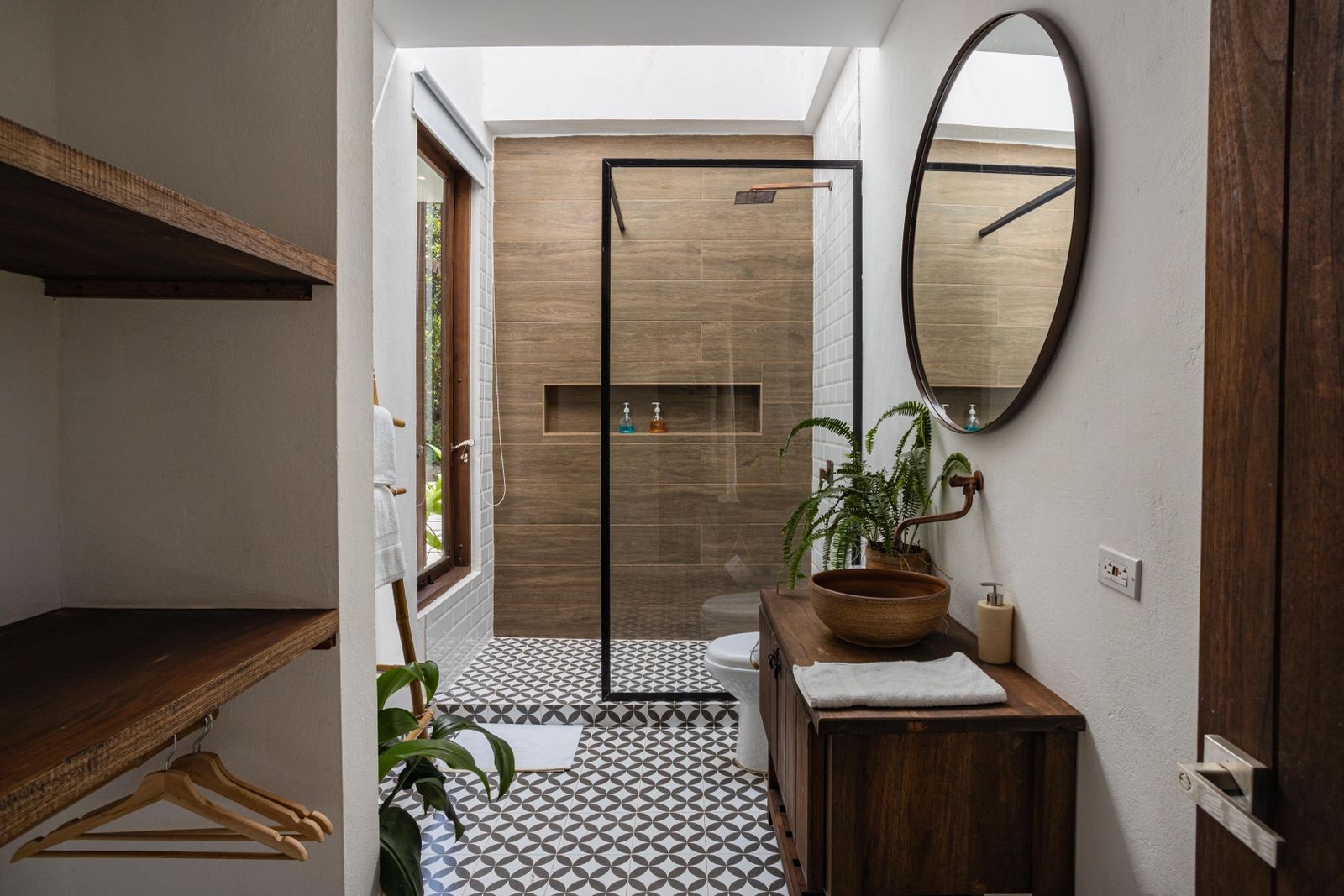
Bathrooms look expensive when their surfaces are clear and their textiles are generous, and both fixes are cheap.
First, hide the bottle army. A small cabinet, an over toilet shelf or a single good basket corrals the everyday products out of sight, which is the whole trick behind bathroom storage hacks that actually work. Keep only what you use daily within reach; the other 15 bottles go behind a door.
Then add one soft thing at real scale: a thick bath mat, towels that match each other, a plant that tolerates steam. A shower curtain in a fabric finish instead of plastic changes the room’s biggest surface for very little money, and warm light bulbs finish the job. Skip the fabric curtain if your bathroom has no fan, though, because fabric holds moisture and mildew follows; washable fabric liners solve it if you wash them monthly.
8. Laundry Corner: Sort First, Dress It Lightly
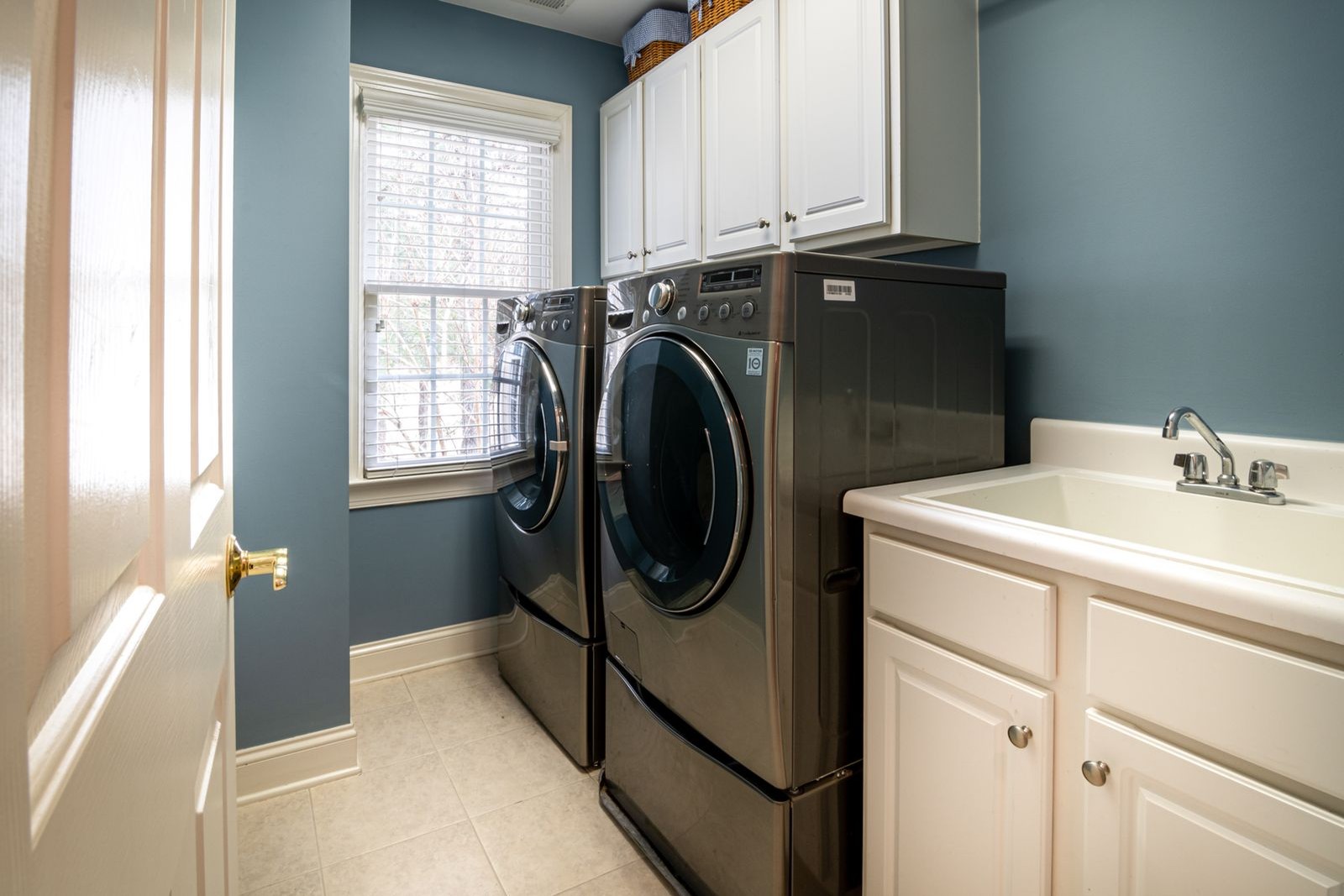
Room, closet or a corner of the bathroom, the laundry zone earns a small decorating budget because you visit it constantly and it shows neglect fast.
Sort first: a divided hamper, or two plain baskets, ends the floor pile, and a shelf or rail above the machines holds supplies at arm height so nothing lives on the machine tops. The space saving systems in small laundry room ideas were built for exactly these footprints, down to corners under 4 feet wide.
Then dress it lightly: a washable runner, one cheerful print, and supplies decanted into plain jars instead of shouty packaging. A laundry corner that looks cared for makes the chore itself feel shorter. Leave the packaging on show and the corner looks like a shop stockroom, no matter what else you hang on the wall.
9. Workspace Corner: Give Work a Footprint and a Closing Time
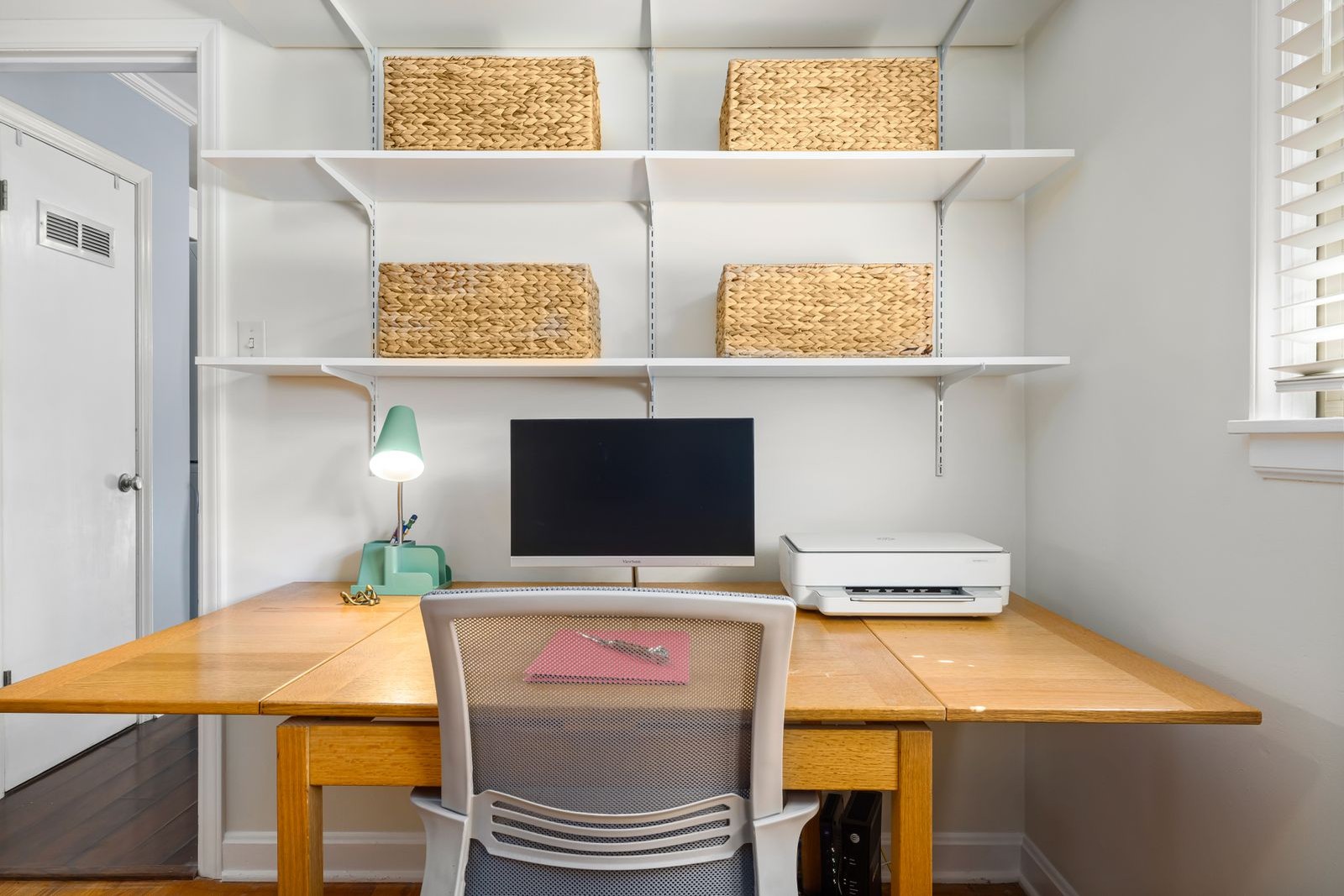
A work corner fails when it borrows the dining table for good or colonizes the sofa. Give work a defined footprint instead.
A small desk or a wall mounted drop leaf, a chair that supports a full workday, light aimed at the task, and one box or drawer that swallows the work at the end of the day so the apartment becomes home again. Budget about 4 feet of wall for a desk setup that does not feel like a punishment. Decorate the wall above the desk as its own tiny room, a pinboard, a shelf, one print you like looking at, because a defined backdrop improves video calls and morale at the same price.
In a studio, a rug or the edge of a bookcase marks the border. Without a border, work leaks across the whole apartment, and the apartment stops feeling like a home by week two.
10. Balcony: Treat It as a Room, Because It Is One
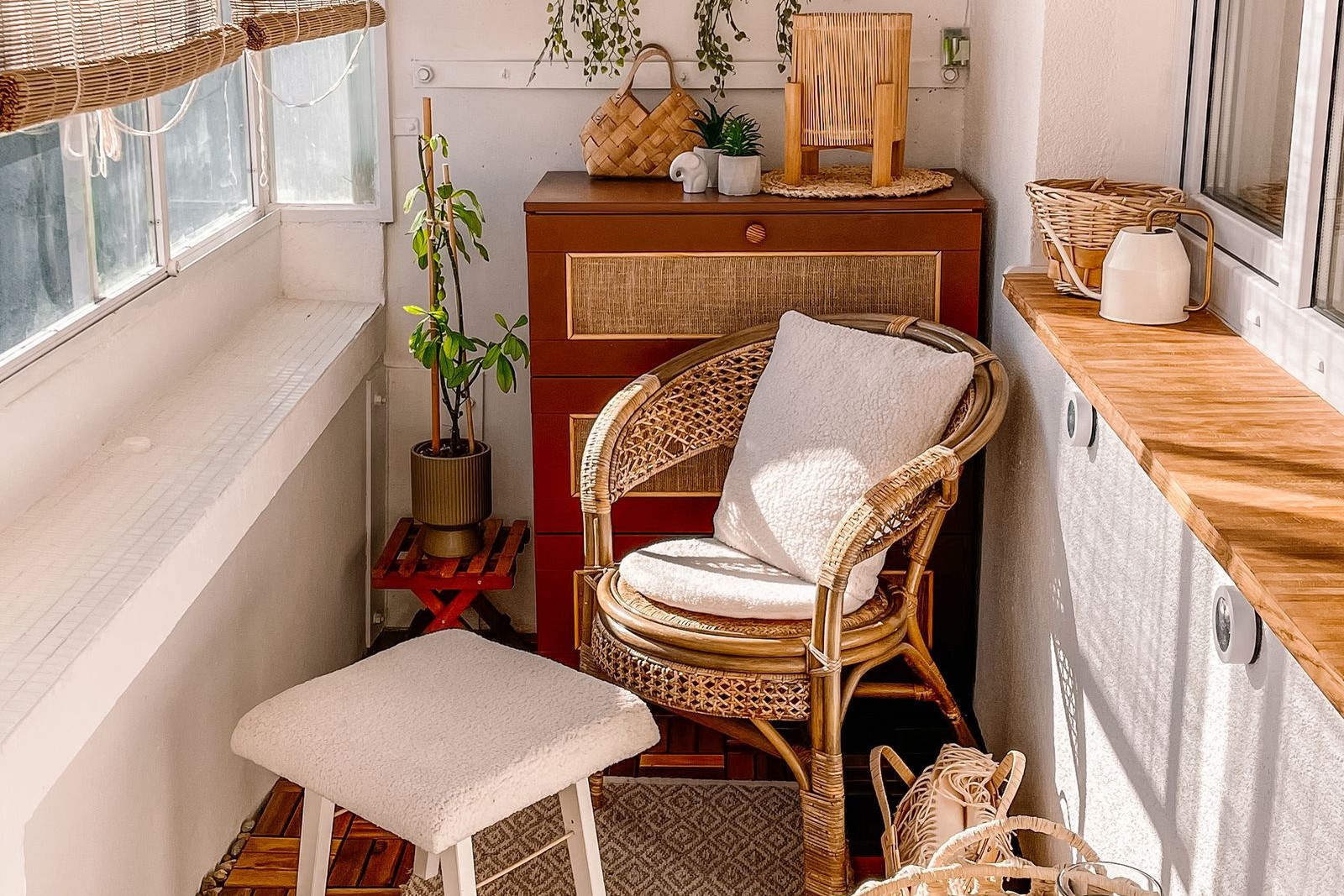
Even a narrow balcony counts as a room in this framework, and it is often the cheapest in the apartment to change.
Run the same order outdoors: floor first, an outdoor rug or deck tiles underfoot, then one seat you genuinely love, then light, a lantern or string lights, then green. The layered approach in small balcony decor ideas shows how far a few square feet go when each layer is chosen once and chosen well. Measure before you buy anything, because balcony furniture that overhangs the door swing is a daily annoyance, and keep everything weather honest and light enough to carry inside for storms.
A balcony that works becomes the apartment’s second living room from spring to fall. In my book that is the best return on the smallest decorating budget in this whole guide.
11. The Finishing Layer: Small Swaps That Lift the Whole Apartment
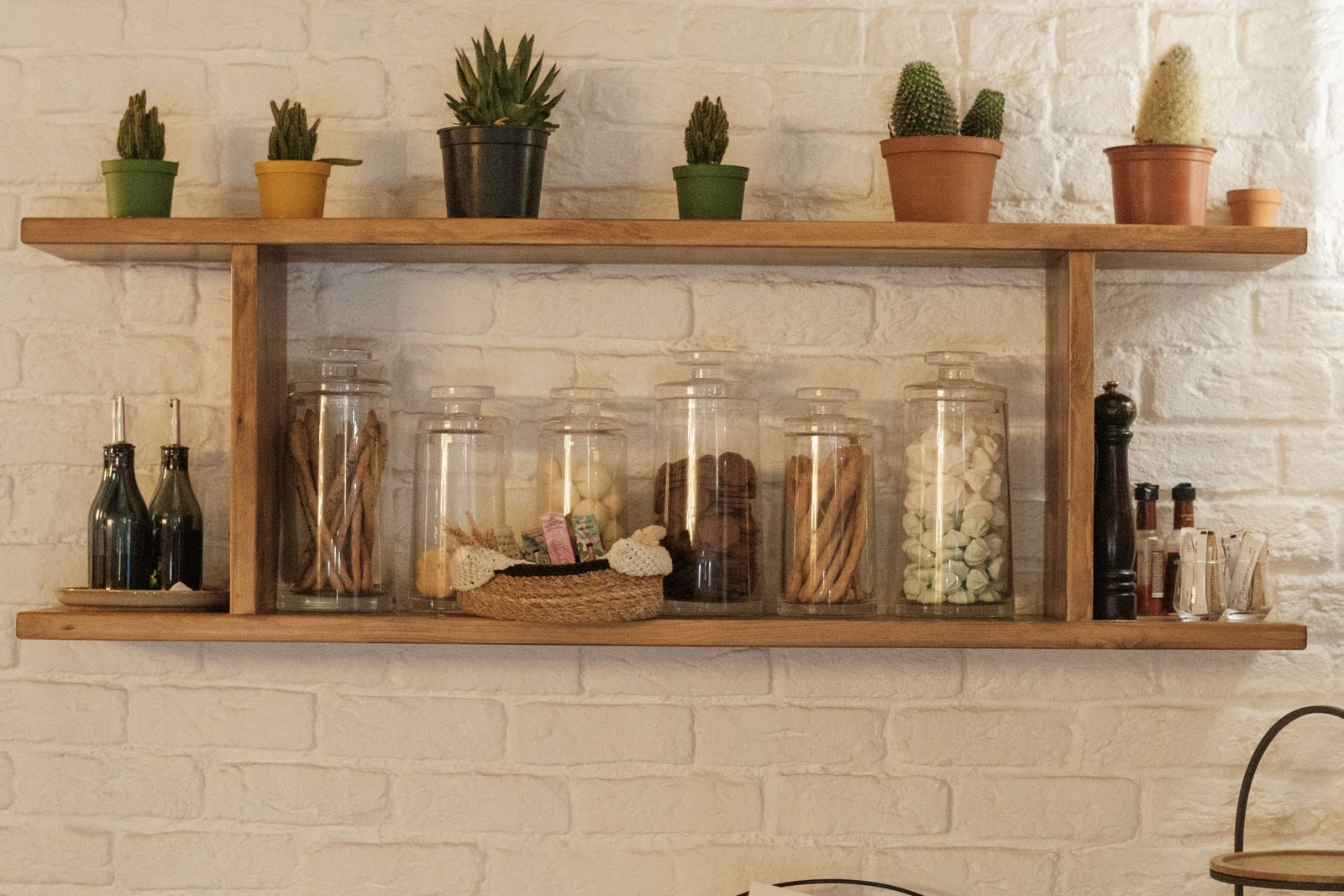
When every room has its four layers, one final round of small swaps lifts the whole apartment at once.
Swap plastic hangers for one matching set. Decant cleaning and bath products into plain containers. Replace one tired lampshade. Add a plant to the room that has none. The genius of the best dollar tree decor ideas that look expensive is selection, not price: buy the plain, the natural and the generously sized, and leave the novelty items on the shelf where they belong.
Then do the honest check: walk the apartment at the hour you live in it most, and spend the last of the budget on whatever your eye trips over. I do this walk at about 7 in the evening, lamps on, because that is the apartment I actually live in. That walk is the framework’s quality control, and it never lies.
The Bottom Line
A budget apartment does not need a big budget. It needs an order. Textiles, lighting, walls, storage, applied room by room in that sequence, will beat a larger amount spent at random every single time. Work one room to finished before starting the next, let furniture buys come last and earn their place, and keep every change reversible if you rent. The rooms above link onward into deeper projects for every space, so this guide stays your map for the whole apartment, one layer and one room at a time.
Start in the living room with the biggest rug the room can hold. It is layer one, it sets the zone, and every choice after it gets easier.
Frequently Asked Questions
Which room should you decorate first on a budget?
Start where you spend your waking hours, which for most people is the living room, with the entryway as a quick parallel win because it is tiny and sets the tone of the home. Bedrooms come next, since the bed dominates and bedding is portable. Kitchens and bathrooms reward organizing before decorating, so they follow once the main rooms feel settled.
What decor changes give the most impact for the least money?
Textiles and light, in that order. A properly sized rug with the sofa’s front legs on it, curtains hung high, and two lamps at the right heights change how a room feels more than any single furniture buy, and they are cheap, reversible and portable. After those, hiding clutter in closed storage gives the third biggest jump.
How do you make a budget apartment look expensive?
By editing rather than adding. Clear surfaces, matching textiles, one color story per room, warm layered lighting, and objects given breathing room all read as expensive. Expensive looking rooms are rarely full of costly things; they are rooms where nothing looks accidental, which costs attention rather than money.
How do you split a decorating budget between rooms?
Weight the split toward the rooms where you spend waking time, and toward portable pieces, textiles, lamps and storage, that move with you. Fund the living room and bedroom first, give the entryway a small fixed amount because it is tiny, and let kitchens and bathrooms take organizing supplies before decorative ones.