Sustainable Home Decor Tips for Every Room
A sustainable home is not built in one expensive shopping trip. It is built in dozens of ordinary decisions: what a chair is made of, where a rug came from, whether a tired dresser gets paint or gets dumped.
Sustainable home decor simply means making those decisions with the whole life of an object in mind, how it was made, how long it will last and where it ends up.
The eleven tips below are ordered from the biggest wins to the smallest swaps, and none of them ask you to sacrifice style. In fact, rooms built this way usually look warmer, because natural materials and well kept older pieces carry a character that flat pack rooms rarely match.
1. Prioritize Natural and Renewable Materials
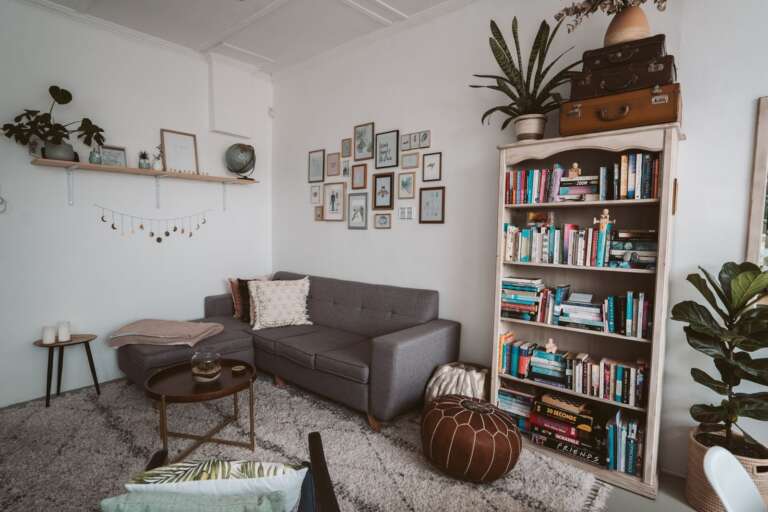
When you do buy new, start with what the piece is made of. Bamboo, cork, rattan, solid wood, stone, linen and wool all come from renewable or abundant sources, and they age gracefully instead of peeling, cracking or shedding plastic fibers. They also repair well, which is the real test of a sustainable material. A solid wood table can be sanded and oiled for decades; a plastic coated one goes to landfill the first time its surface bubbles. Touch matters too, because natural materials feel and sound better in a room, which is why spaces built from them tend to feel calmer.
2. The Art of Upcycling and Second-Hand Finds
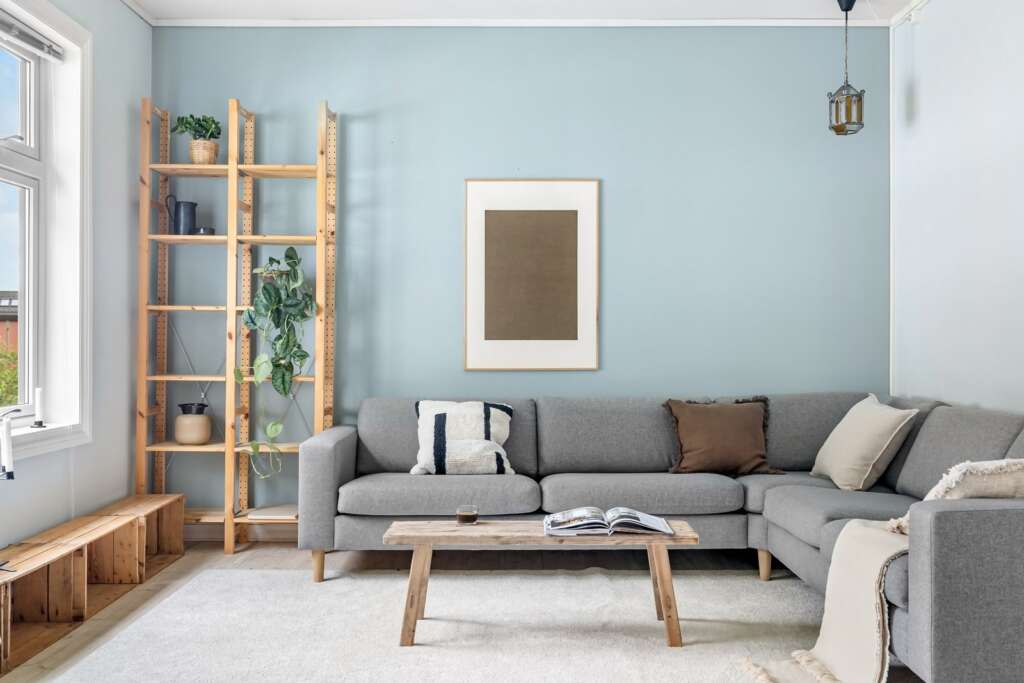
The greenest piece of furniture is the one that already exists. Second hand shops, estate sales and online marketplaces are full of solid wood furniture made to a standard that budget new furniture rarely meets, often for the price of a takeaway dinner. A dated dresser becomes a statement with sanding, paint and new handles. A tired chair needs little more than fabric and a staple gun. Shopping this way also solves the sameness problem, because your room stops looking like everyone else’s delivery. Inspect joints, drawers and wood for woodworm before buying, and budget for cleaning as part of the project.
3. Opt for Low-VOC and Non-Toxic Paints
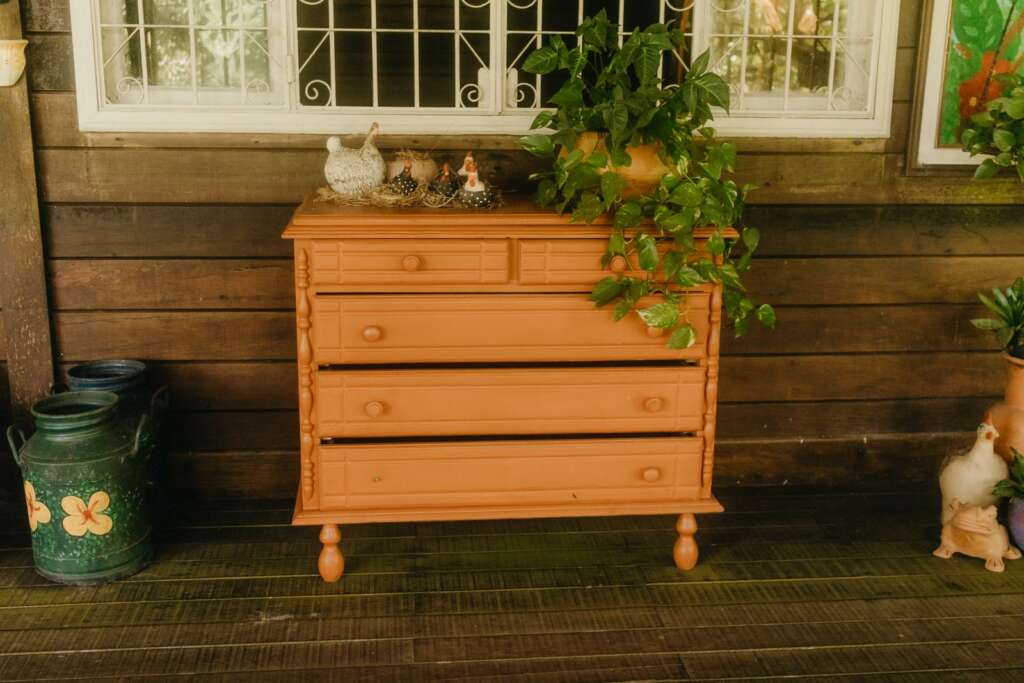
Paint is the cheapest big change in decor and one of the biggest indoor air decisions you will make. Conventional paints release volatile organic compounds as they dry and for some time after, which is why a freshly painted room can smell sharp for days. Low VOC and zero VOC paints, along with clay and lime based finishes, cut that load dramatically while covering just as well in modern formulas. The color ranges are now wide enough that you will not feel limited. Ventilate while you paint, keep children and pets out until the room is dry, and store leftover paint properly so the next touch up does not mean a new tin.

4. Energy-Efficient Window Treatments
Windows are where a home quietly leaks comfort, and the right treatment slows the leak. Cellular shades trap air in their honeycomb pockets, lined curtains block drafts in winter, and sheer layers cut harsh summer sun before it heats the room. The result is a home that asks less of its heating and cooling, which is sustainability you can feel in the monthly bills. Fit matters more than fabric price here. Curtains should reach the floor or the sill without gaps at the sides, and shades should sit close to the glass.
5. Choose Statement Lighting with LED Integration
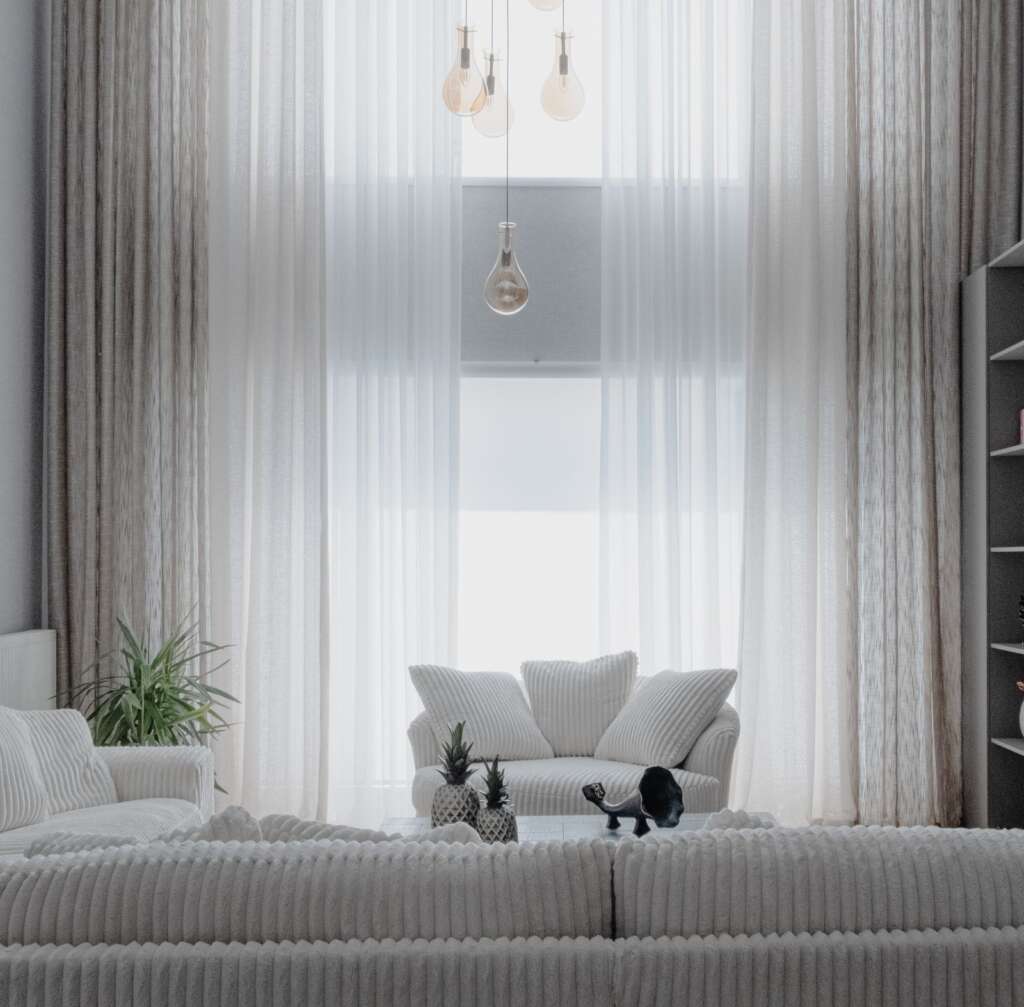
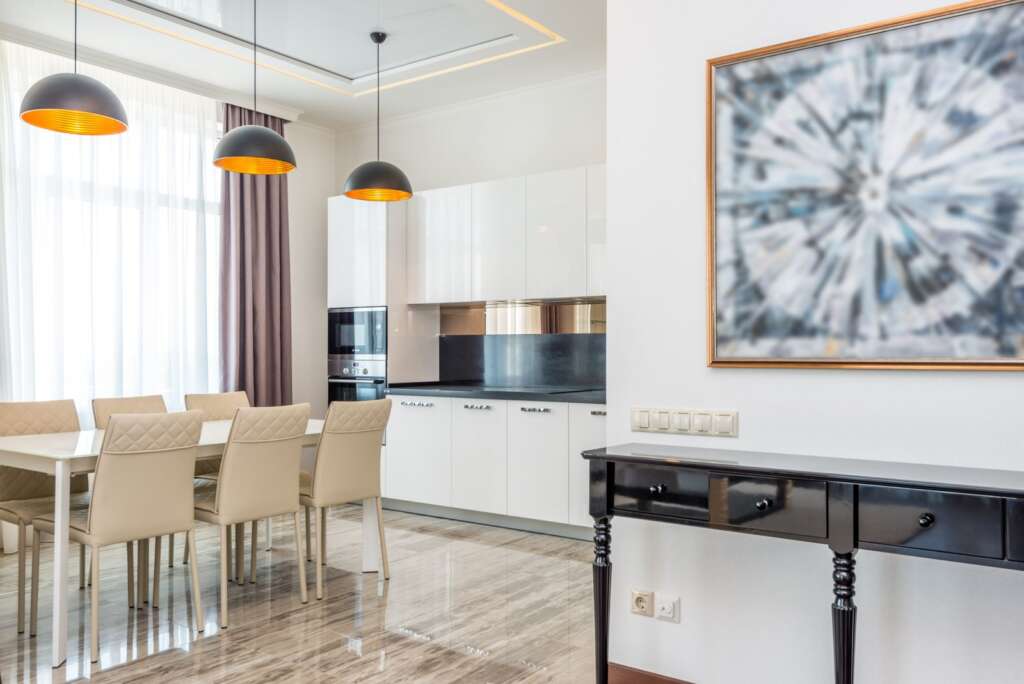
Lighting is where style and energy use meet head on. Modern LED fixtures and bulbs use a fraction of the electricity of older lighting and last for years, so a statement pendant no longer has to be a guilty pleasure. Look for fixtures made with recycled glass, reclaimed metal or responsibly sourced wood if you want the object itself to carry the theme. Warm color temperatures keep LED light feeling cozy rather than clinical. Put statement lights on dimmers wherever you can, because a dimmed light uses less energy and makes every other sustainable choice in the room look more expensive.
6. Sustainable Flooring: Cork and Reclaimed Wood
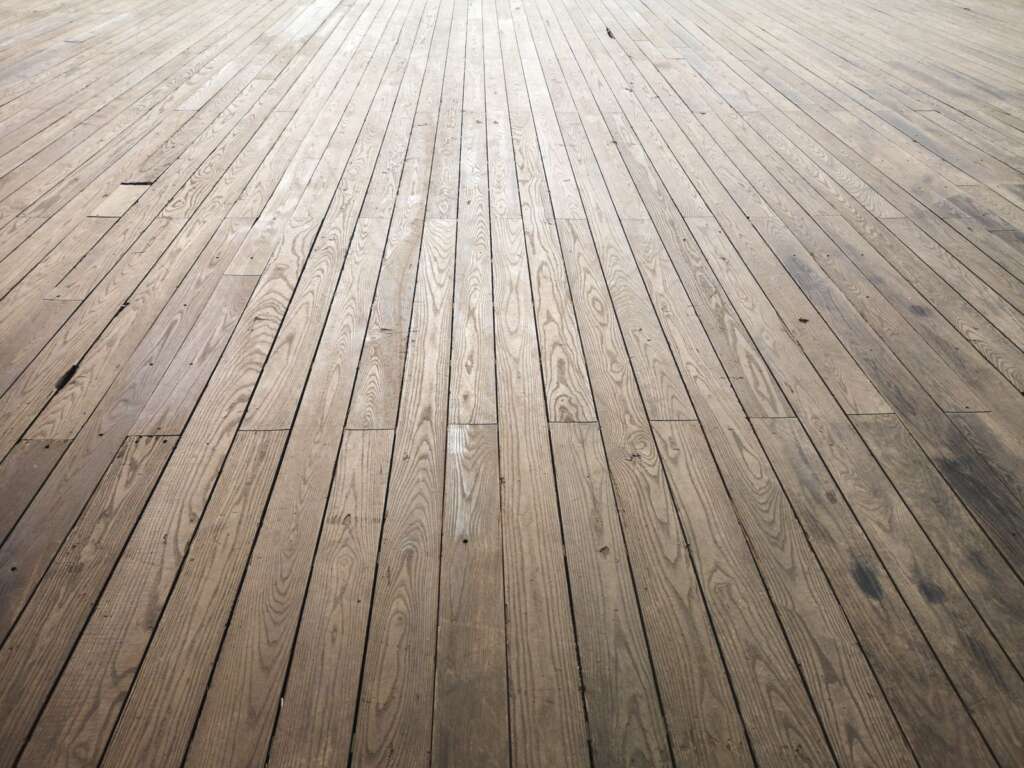
If flooring is genuinely on your renovation list, two options stand out. Reclaimed wood, salvaged from older buildings and barns, brings grain and history that new boards cannot fake, and every plank reused is one that skips the landfill. Cork is the quiet achiever: it is harvested from bark without felling the tree, feels warm and soft underfoot, absorbs sound and resists dents surprisingly well. Both options cost more upfront than vinyl, and both outlast it by decades, which is the whole point. Ask suppliers where their reclaimed stock comes from, because genuine salvage has a paper trail.
7. Cultivate an Indoor Air-Purifying Garden
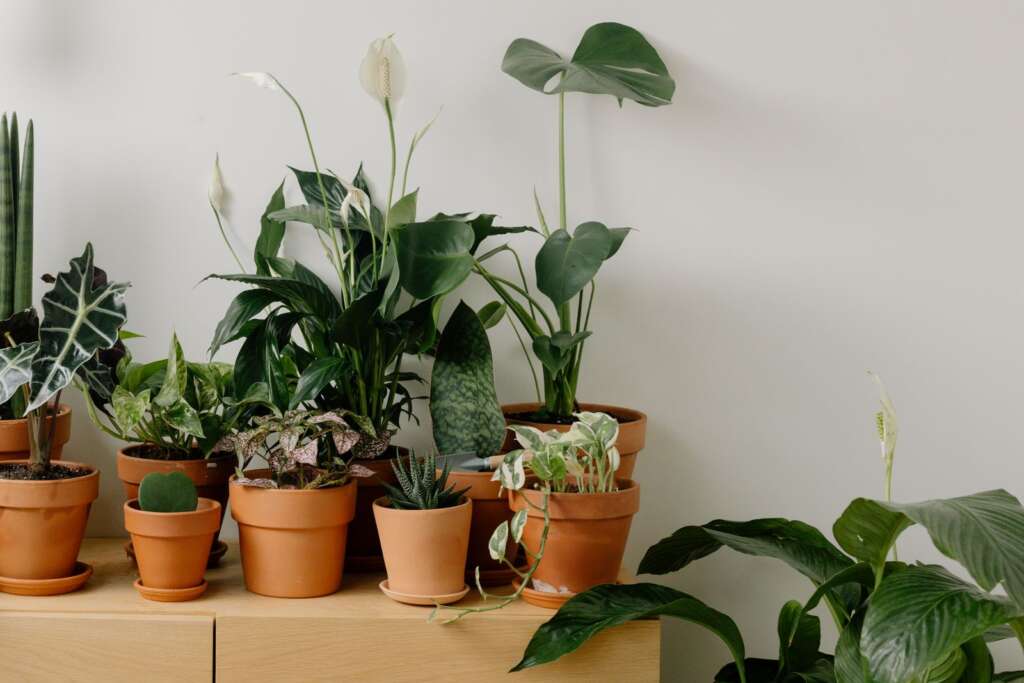
Plants are decor that works for a living. A cluster of hardy indoor plants softens hard edges, adds color that never needs repainting and supports cleaner feeling indoor air, especially in rooms that stay closed up through winter. Choose forgiving varieties suited to your light, group them at different heights, and pot them in terracotta, coconut coir or recycled materials to keep the theme consistent. A plant you keep alive for ten years is more sustainable than a succession of trendy ones that die each season, so buy for your actual habits, not your aspirations.
8. Eco-Friendly Textiles: Organic Cotton and Wool
Textiles touch your skin more than any other decor, so their fibers matter. Organic cotton is grown without the heavy pesticide load of conventional cotton, wool is naturally durable, breathable and flame resistant, and both biodegrade at the end of a long life instead of shedding microplastics into wash water for years. Start where contact is closest: bedding, bath towels and the throw that lives on your sofa. Natural fibers cost more per piece, so buy fewer, better ones and wash them cool to extend their life.
9. Minimalist Multi-Functional Furniture
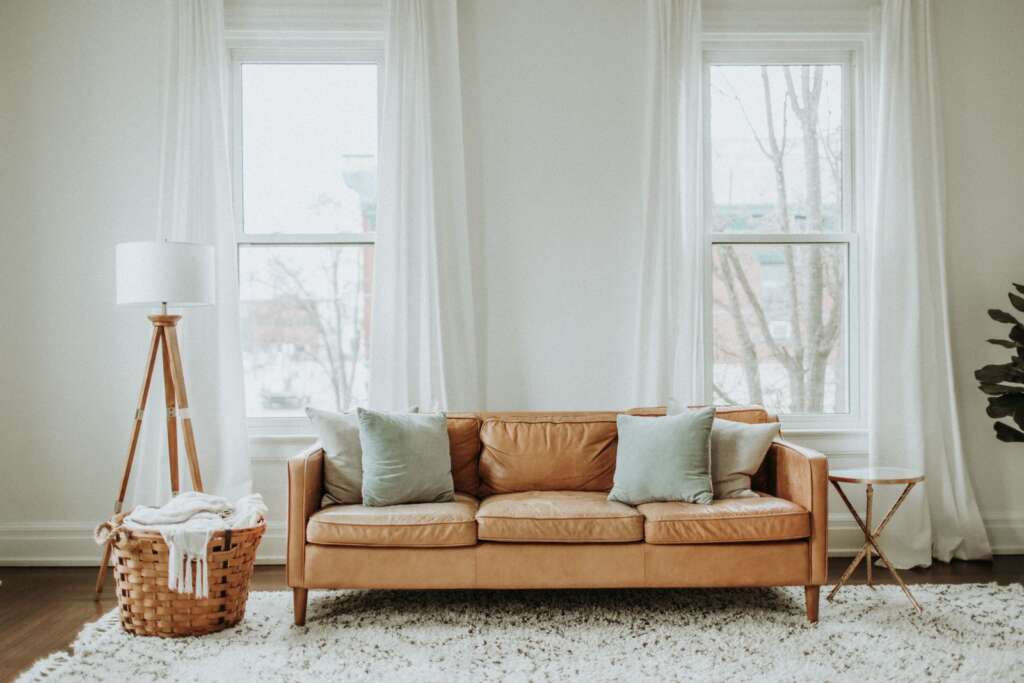
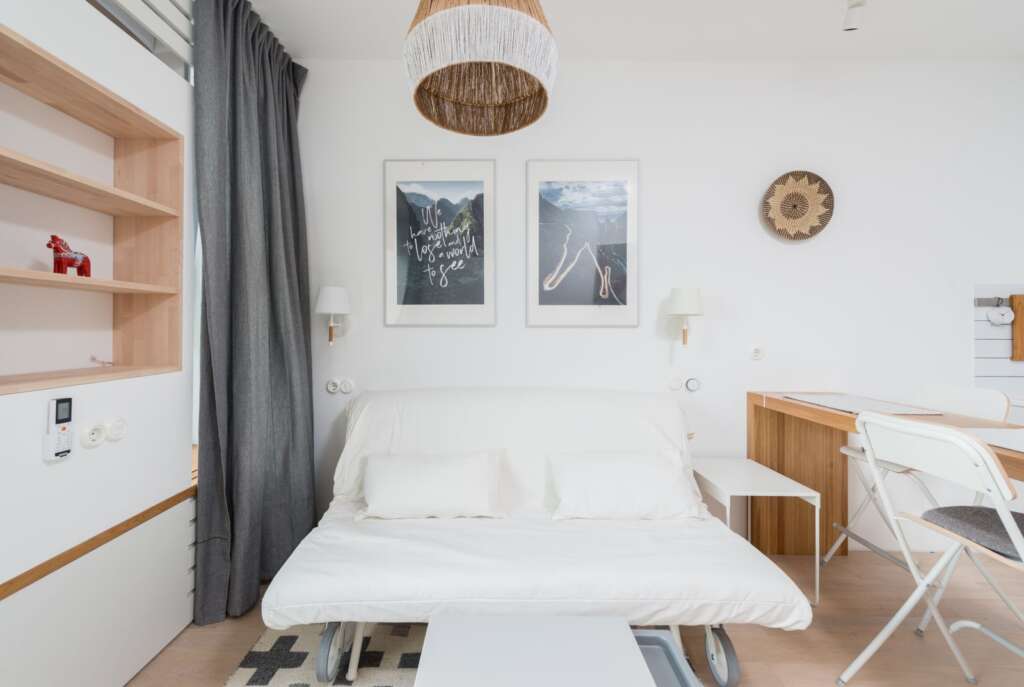
Every object in your home carries a footprint from its making and shipping, so the simplest sustainable move is owning fewer objects that each do more. A coffee table with hidden storage, a bench that holds blankets and seats guests, a sofa bed that turns a living room into a guest room: each one replaces two or three lesser purchases. This is where sustainability and minimalism agree completely. Before buying anything new, ask what it replaces and what second job it can do. If the answer is none, it is probably clutter arriving early.
10. Kitchen Sustainability: Glass and Bamboo
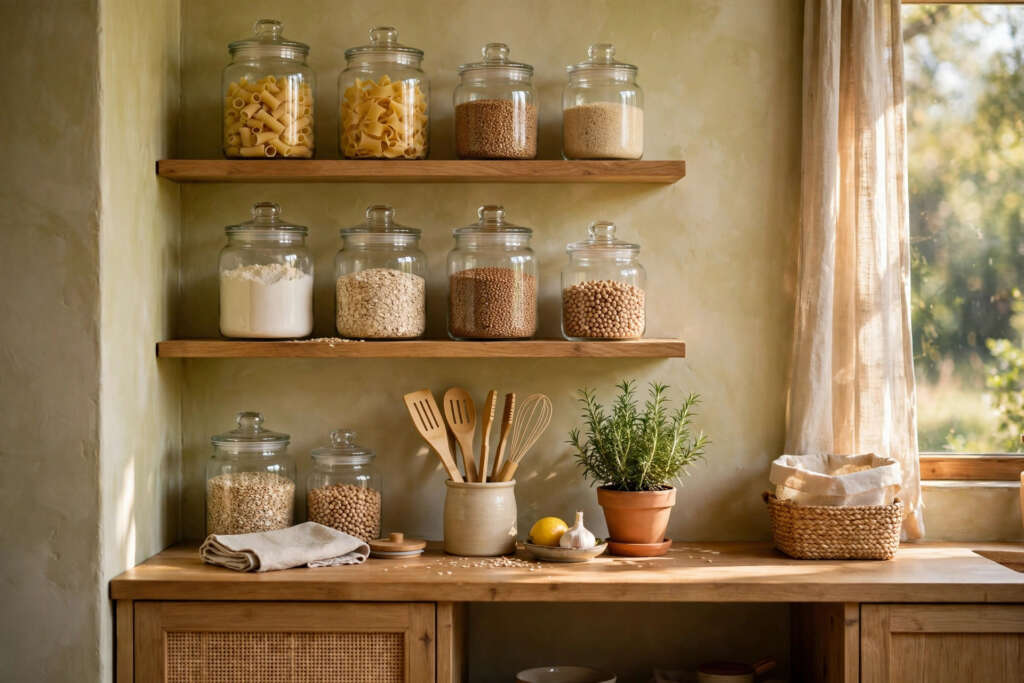
The kitchen generates more daily waste than any other room, which makes it the most satisfying place to start. Glass jars replace plastic containers and let you see what you actually own, bamboo boards and utensils replace plastic tools that stain and split, and cloth towels retire the paper roll habit. Buy dry goods from refill or bulk sections where they exist, and let open shelves show off the system, because a good looking swap is one you will keep. None of this needs to happen in one weekend. Replace things as they wear out, and within a year the kitchen quietly transforms.
11. Ethical Sourcing and Fair Trade Decor
Sustainability is not only about materials; it is also about the people who made your things. Fair trade certification and transparent maker stories signal that artisans were paid fairly and worked in safe conditions, and handcrafted pieces tend to be repaired and kept rather than treated as disposable. Baskets, ceramics, woven textiles and carved wood from named makers carry a quality and irregularity that mass produced decor cannot copy. You will buy less of it, because it costs what honest work costs, and that restraint is itself the point. A home furnished slowly with pieces that have origins you respect feels different to live in.

Conclusion
Sustainable home decor is a direction, not a deadline. You do not need to replace a house full of belongings to travel it; you need a habit of asking three questions before anything new crosses the door: what is it made of, how long will it last, and who made it. Shop second hand first, choose natural materials when you buy new, keep paint and textiles low in toxins, and let plants and good light do the decorating they do best. Rooms built this way end up warmer, more personal and cheaper to run. Start with one room, one swap, this week.
This pairs well with our guide to how to style thrifted decor.
Frequently Asked Questions
Where should I start with sustainable home decor on a budget?
Start with what costs nothing: rearrangement, decluttering and second hand finds. Upcycled furniture and pre loved textiles deliver the biggest sustainability win per dollar, long before you buy a single new eco product.
Are natural materials harder to maintain?
Mostly they are easier to repair, which is different. Solid wood can be sanded, wool can be aired and spot cleaned, and cork wipes down. They ask for basic care but reward it with decades of use instead of early replacement.
How can I tell if a decor brand is genuinely ethical?
Look for specifics, not adjectives. Named materials, factory or maker information, recognized fair trade or organic certifications and honest pricing all signal substance. Vague claims about loving the planet, with no detail behind them, are marketing rather than evidence.
Do I need to replace my plastic items right away?
No. Replacing working items early creates the waste you are trying to avoid. Use what you own until it wears out, then replace it with the glass, bamboo, wood or natural fiber version, one item at a time.