Indoor Plant Decor Ideas for Every Room
Plants are the hardest working decoration you can buy. They add color without paint, texture without clutter, height without furniture, and they make every room they enter feel calmer and more finished. The trick is not owning more plants. It is placing the right plant, in the right form, in each room, and styling it like you mean it.
This guide goes room by room, from the front door to the dining table, with ideas that suit the light, the moisture and the way each space is used. Start with one room, get it right, and let the green spread from there.
1. Welcome Nature: The Inviting Entryway
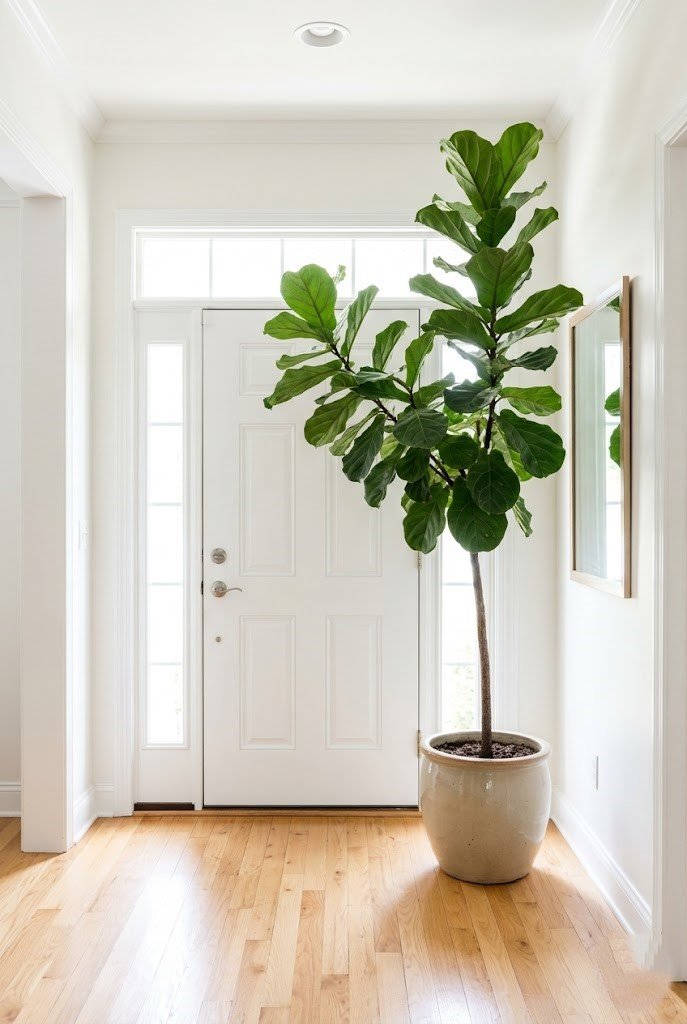
The entryway sets the tone of the home, and a plant makes it a welcome instead of a hallway. One tall plant beside the door or the console, a snake plant, a fiddle leaf fig or a sturdy palm, gives instant height and life to a spot that often has neither. Entryways are usually low on light, so choose tolerant plants or rotate two plants between the entry and a brighter room every few weeks. Keep the pot part of the decor. A woven basket or a ceramic planter that matches your console styling turns a practical plant into a designed moment. Add a small trailing plant on the console itself if there is room, and the first impression is complete.
2. The Living Room’s Living Sculptures
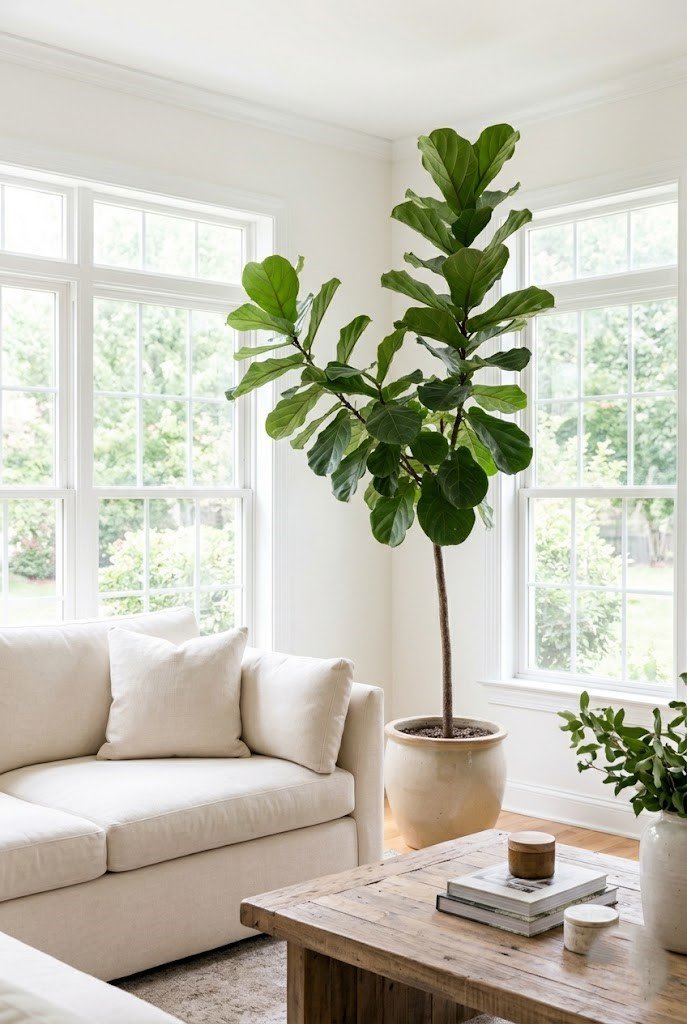
In the living room, treat your biggest plants as sculpture. One large, well shaped plant in a corner does more for the room than six small pots scattered on windowsills. Place it where a floor lamp might go, beside the sofa or flanking a media unit, and let it balance the visual weight of the furniture. Layer one medium plant at table height and one trailing plant up high, and the room gains the varied heights that make planting look natural. Choose the plant for your light honestly. Bright rooms can carry figs and birds of paradise, while lower light corners do better with snake plants, ZZ plants and pothos.
3. Kitchen Greenery: The Culinary Herb Garden
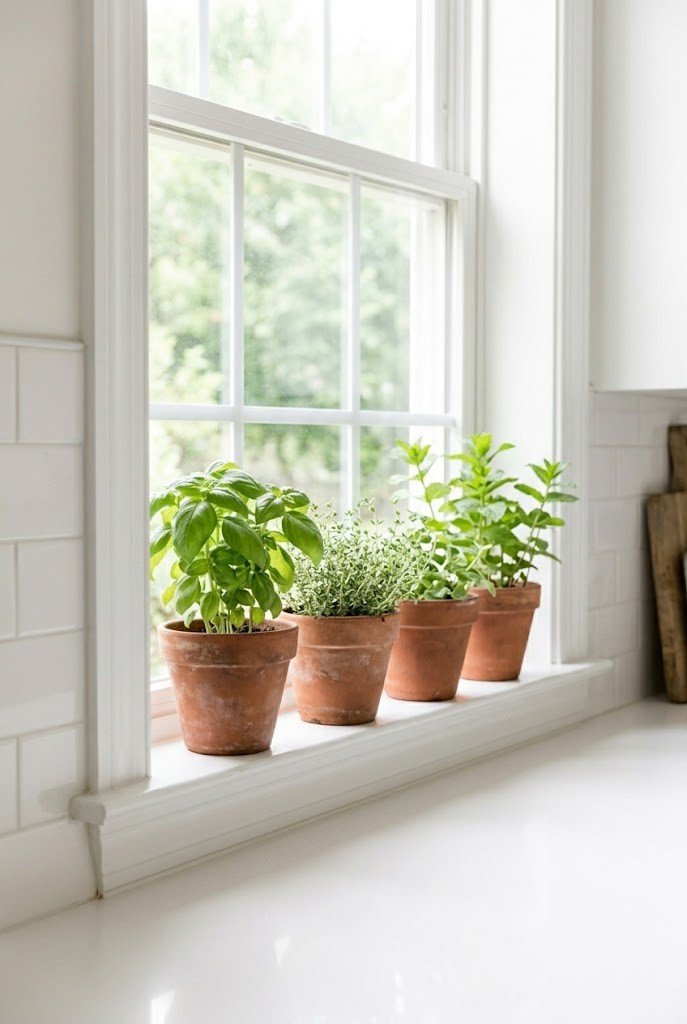
The kitchen is the one room where your decor can also be dinner. A simple herb garden on the windowsill, basil, rosemary, thyme and mint in matching pots, looks fresh, smells wonderful when brushed past, and earns its space every time you cook. Herbs want the brightest spot you have, so the sill above the sink is usually ideal. Grow them in pots with drainage, group them on one tray to keep watering tidy, and snip often, because regular trimming keeps the plants bushy rather than leggy. If your kitchen has no bright window, a small grow light on a timer under a cabinet does the job quietly.
4. The Bathroom Spa Sanctuary
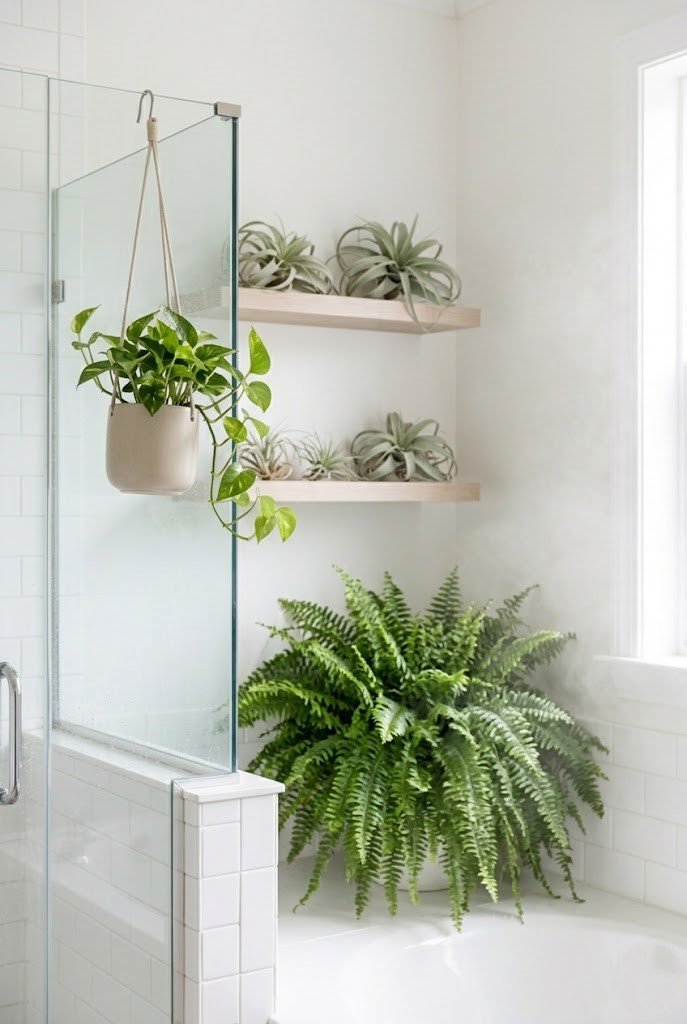
Bathrooms are natural plant rooms, because the steam from showers creates the humidity that many houseplants crave. Ferns, pothos, air plants and peace lilies all thrive in that moist air, and their deep green against tile and white towels is what gives bathrooms that spa feeling in the photos you save. Use the spots that are wasted in most bathrooms, the corner of the tub, a shelf above the door, a hanging planter by the window. Even windowless bathrooms can join in with low light tolerant plants, swapped out to a brighter room for a rest week now and then. Eucalyptus hung from the shower head is the finishing touch everyone notices.
5. The Bedroom: Living Lullabies
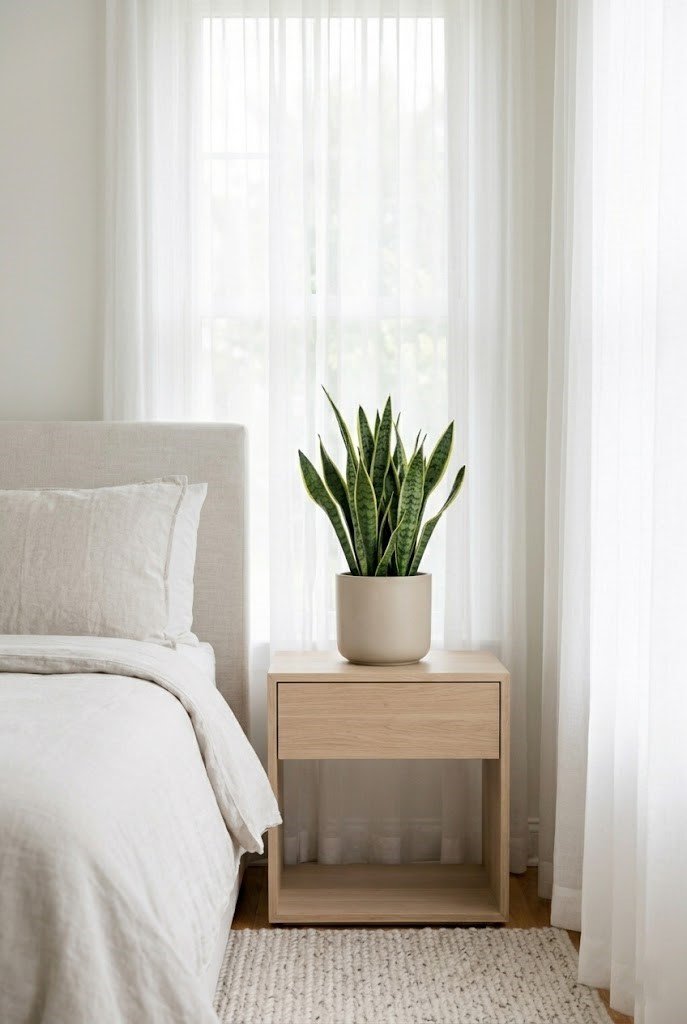
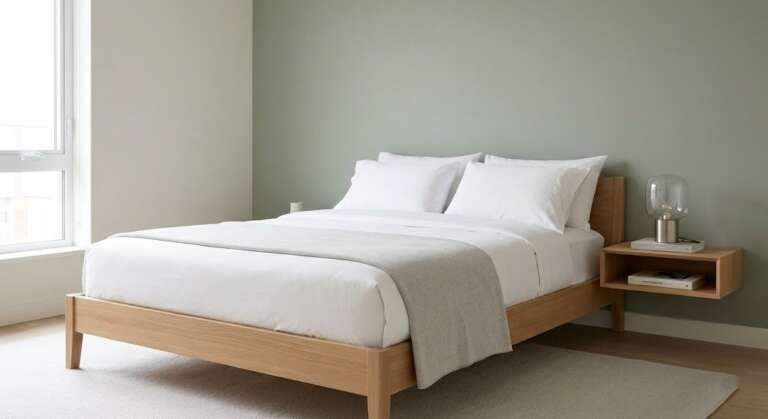
Bedroom plants should whisper, not shout. One or two medium plants with soft, full foliage, a peace lily on the dresser, a pothos trailing from a shelf, a snake plant in the corner, are enough to soften the room and make the air feel fresher when you wake. Keep arrangements simple and keep nightstands mostly clear, since clutter is the enemy of rest. Choose planters in the same calm family as your bedding, white, clay, pale wood, and avoid strongly scented plants if you are a light sleeper.
6. The Home Office: Boosting Productivity
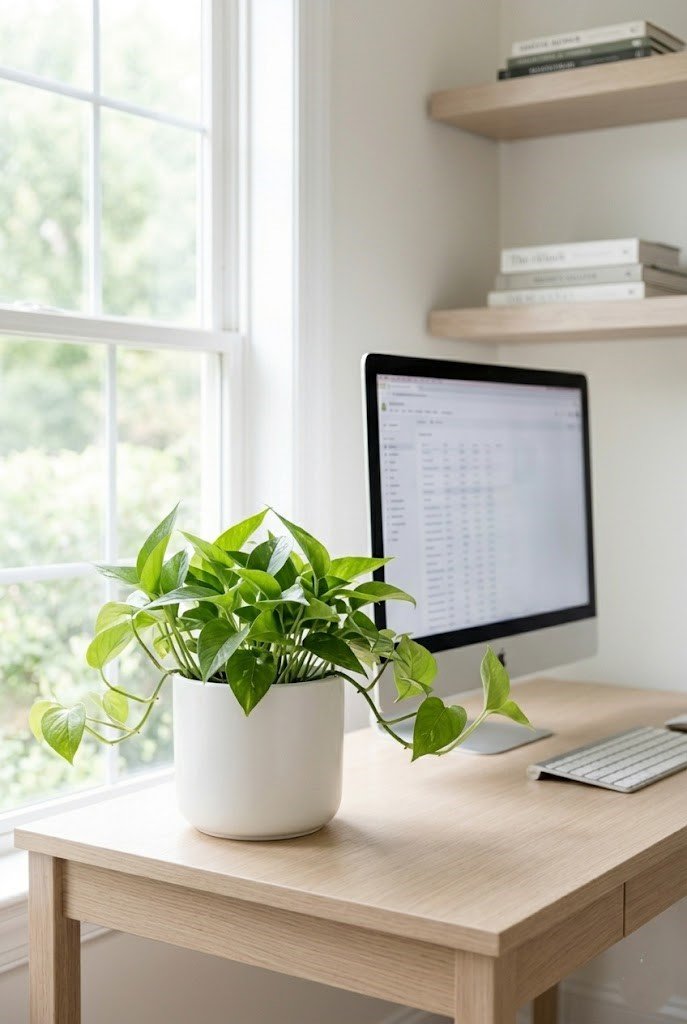
A desk with a plant on it simply feels better to work at. Green in your line of sight gives your eyes somewhere soft to rest between screens, and the small ritual of watering marks breaks in the day. Offices need forgiving plants, because work gets busy and watering slips. Succulents and cacti on a bright desk, a ZZ plant on the floor, or a pothos trailing from the shelf above will all survive a forgotten week without drama. Keep plants to one side of the desk and the shelf, so the green supports the work instead of competing with it.
7. Vertical Gardens: Small Space Solutions
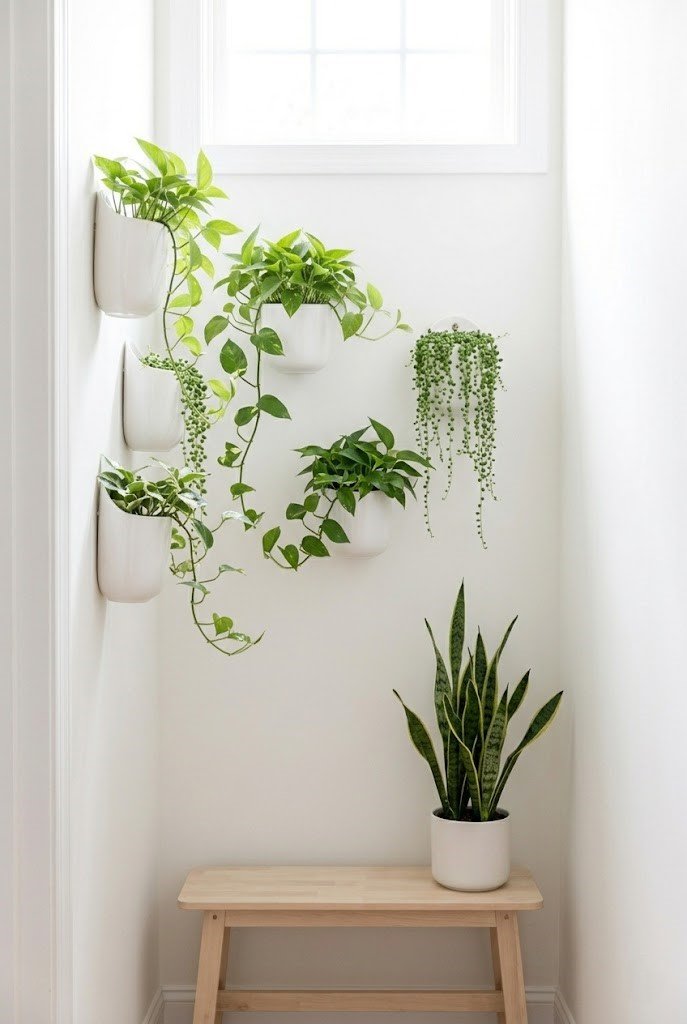
When floor space runs out, go up. Vertical gardens turn a blank wall into the greenest part of the home while taking up almost no room. Wall mounted planters, a grid of small pots, hanging planters at varied heights or a ladder shelf loaded with plants all build the same effect. Pothos, philodendron and ferns are the reliable climbers and trailers for this job. Plan for water before you hang anything. Choose planters with drainage trays or take plants down to water them, so walls and floors stay dry. One vertical cluster in a living room or balcony corner delivers the lush feeling people want, without turning the whole home into a greenhouse.
8. Styling with Sun-Lovers: The Desert Aesthetic
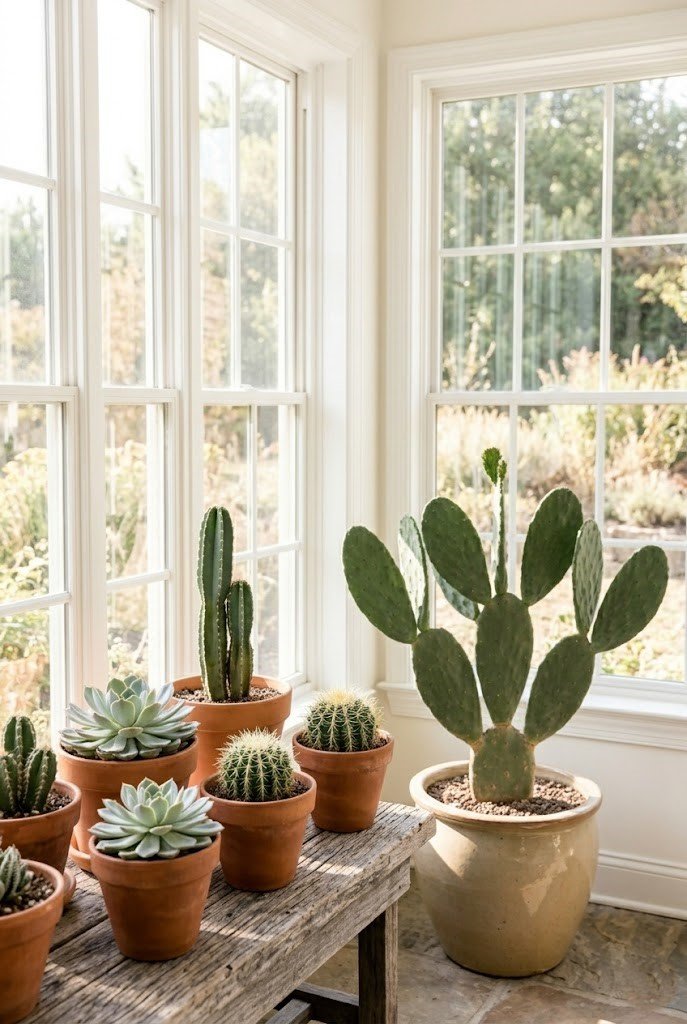
The sunniest corner of your home deserves its own style, and desert plants bring it. Cacti and succulents in terracotta pots, grouped on a sill or a low stand, create a sculptural display that asks for almost nothing in return. Water rarely, give them the brightest light you have, and let their shapes do the talking. Mix heights and forms, one tall column cactus, a rosette or two, something trailing over the pot edge, and vary the pot sizes while keeping the material the same. A layer of pale gravel on the soil finishes the look and keeps the display tidy. Just place spiky varieties where hands and curtains will not brush them daily.
9. Layering Greens: The Living Shelf
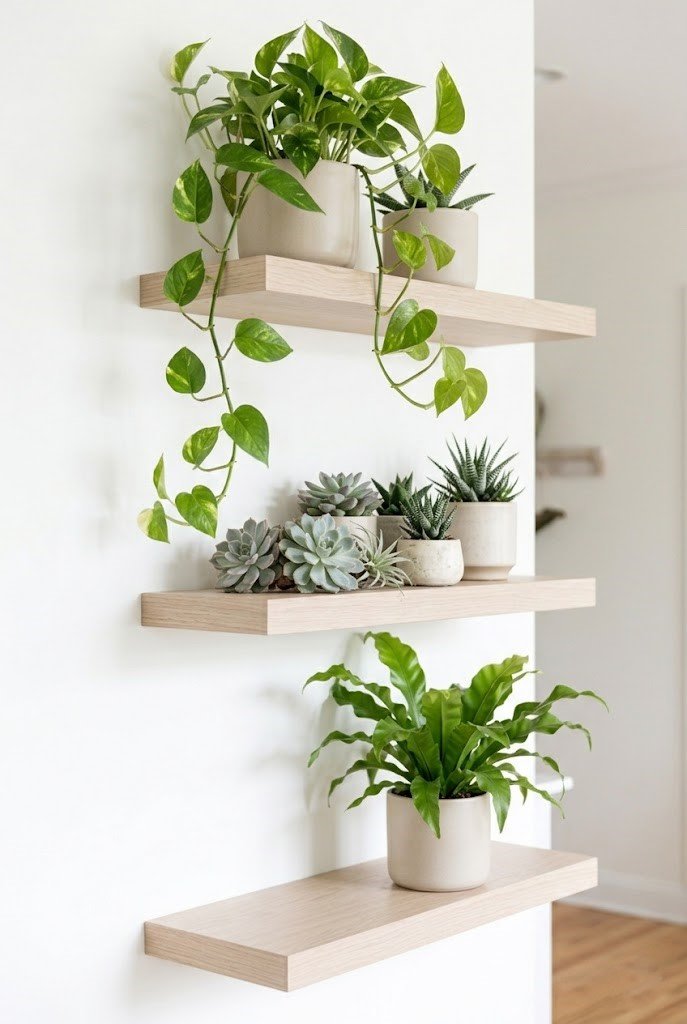
A shelf styled with plants at several depths is one of the most saved looks in plant decor, because it feels abundant without crowding a room. Build it like a stylist. One upright plant for height, one trailing plant spilling over the edge, one small pot tucked beside books, and breathing space between groups. Repeat the same pot color or material across the shelf so the variety of leaves feels curated rather than chaotic. Shelves near windows carry sun lovers, while lower and inner shelves suit shade tolerant plants. Step back and edit one item out at the end.
10. The Dining Table Centerpiece
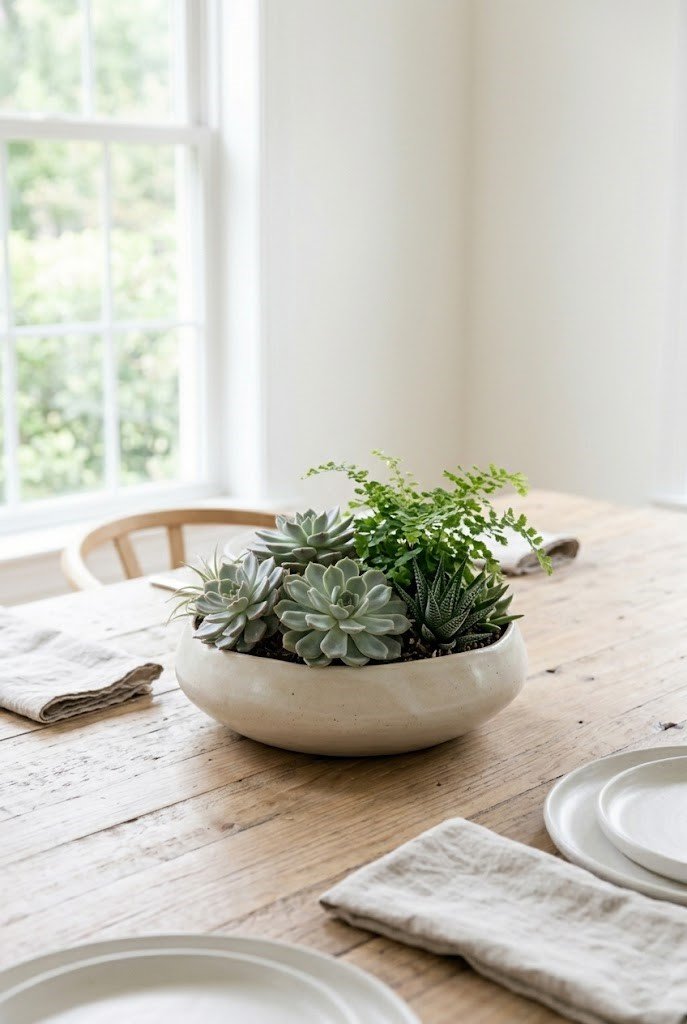
A living centerpiece beats a decorative object because it changes gently over time and never looks dusty or forgotten. Keep it low, so guests can see each other over it, and keep it simple. One wide, shallow bowl with a cluster of small plants, a single orchid in a beautiful pot, or a long tray with three small greens in a row all work for everyday meals. For gatherings, add candles beside the plants and the table is done. Choose plants that tolerate the dining room’s light rather than the table’s center alone, and move the arrangement to the sill for a light drink between occasions if the room runs dark.
11. Curating a Cohesive Plant Collection
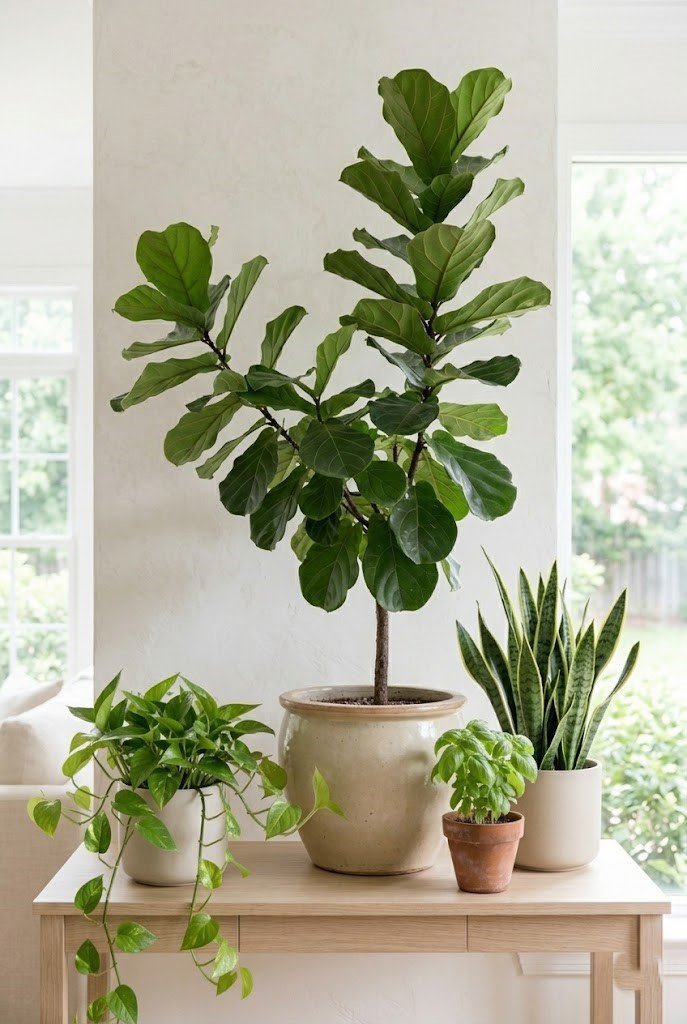
The difference between a plant collection and a pile of plants is editing. A cohesive collection repeats a few things on purpose, pot materials, a color family, or plant forms, so rooms feel connected as you walk through them. You do not need matching everything. Terracotta and white across the house, or baskets in every room, is enough thread. Keep a simple note of what each plant wants, light and water, when you buy it, because collections fail from forgotten care more than from bad styling. It is also fine to let a plant go if it has struggled for months despite your best efforts. A smaller collection that thrives will always look better than a large one that limps.
Conclusion
Indoor plants reward placement more than quantity. One tall welcome in the entryway, sculpture in the living room, flavor on the kitchen sill, calm in the bathroom and bedroom, focus at the desk and a green wall where space runs out. That is a whole home transformed by perhaps a dozen plants, each one chosen for its spot. Buy slowly, and let pots and placement tie the rooms together. The result is a home that feels alive in a way no object on a shelf can copy, and it improves a little every week as things grow.
Frequently Asked Questions
What are the easiest indoor plants for beginners?
Pothos, snake plants and ZZ plants are the classic starters. They tolerate missed waterings, manage in medium light and grow steadily without fuss. Add a peace lily once you are in the habit of regular watering, and build toward fussier plants like figs only when the basics feel easy.
How many plants does a room need to feel styled?
Usually three, at three heights. One tall floor plant, one medium plant at table height and one small or trailing plant higher up give a room that designed, layered feeling. Large rooms can take more, but the height mix matters more than the count.
Can I keep plants in a room with no windows?
For a while, with the right plants and a rotation. Snake plants, ZZ plants and pothos cope best in low light, but all plants need some light eventually. Rotate them to a brighter room every few weeks, or add a simple grow light on a timer, and they will stay healthy.
How do I stop my plant shelves looking messy?
Repeat one pot material or color, group plants in threes with space between groups, and prune trailing plants so they drape rather than tangle. Wiping leaves and removing dead ones monthly makes a bigger difference than any new purchase.