Thrift Store Decor Finds Worth Buying (and How to Style Them)
Weight is the first test in a thrift store. Pick it up. If it is heavy for its size, it is probably worth your money.
That simple habit points at most of the thrift store decor finds and how to style them in this list: solid brass, woven baskets, wood frames with real glass, real wood furniture, hardcover books and lamps with good bones. These pieces were often made better than their modern budget versions, they cost very little secondhand, and they mix into almost any style. Buy for material and shape first, never for the finish or the decade, because finish can change and shape cannot. The 11 finds below are the ones experienced thrifters grab without hovering, with what to check before you pay and how each one earns its place at home.
The short version, before we start:
Heavy is good. Real brass, real wood and thick glass all weigh more than their copies.
Shape first, finish last. Paint and polish can change. A bad shape cannot.
Groups of three. Thrifted pieces look intentional in odd numbered groups on a tray or shelf.
Walk away from smells and cracks. A musty smell that survives a day outside, or a crack that runs, means leave it.
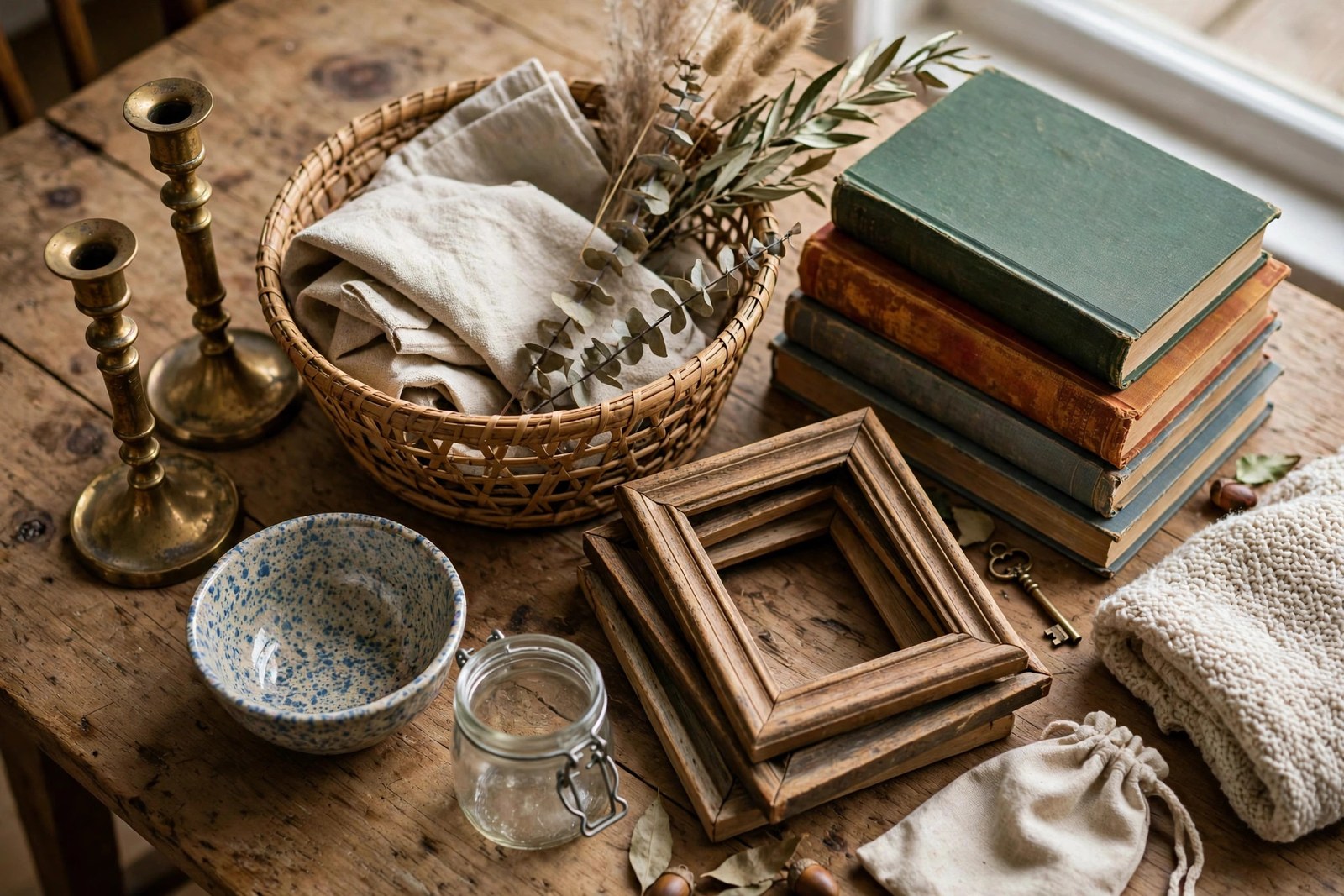
1. Grab the Real Brass and Leave the Patina Alone
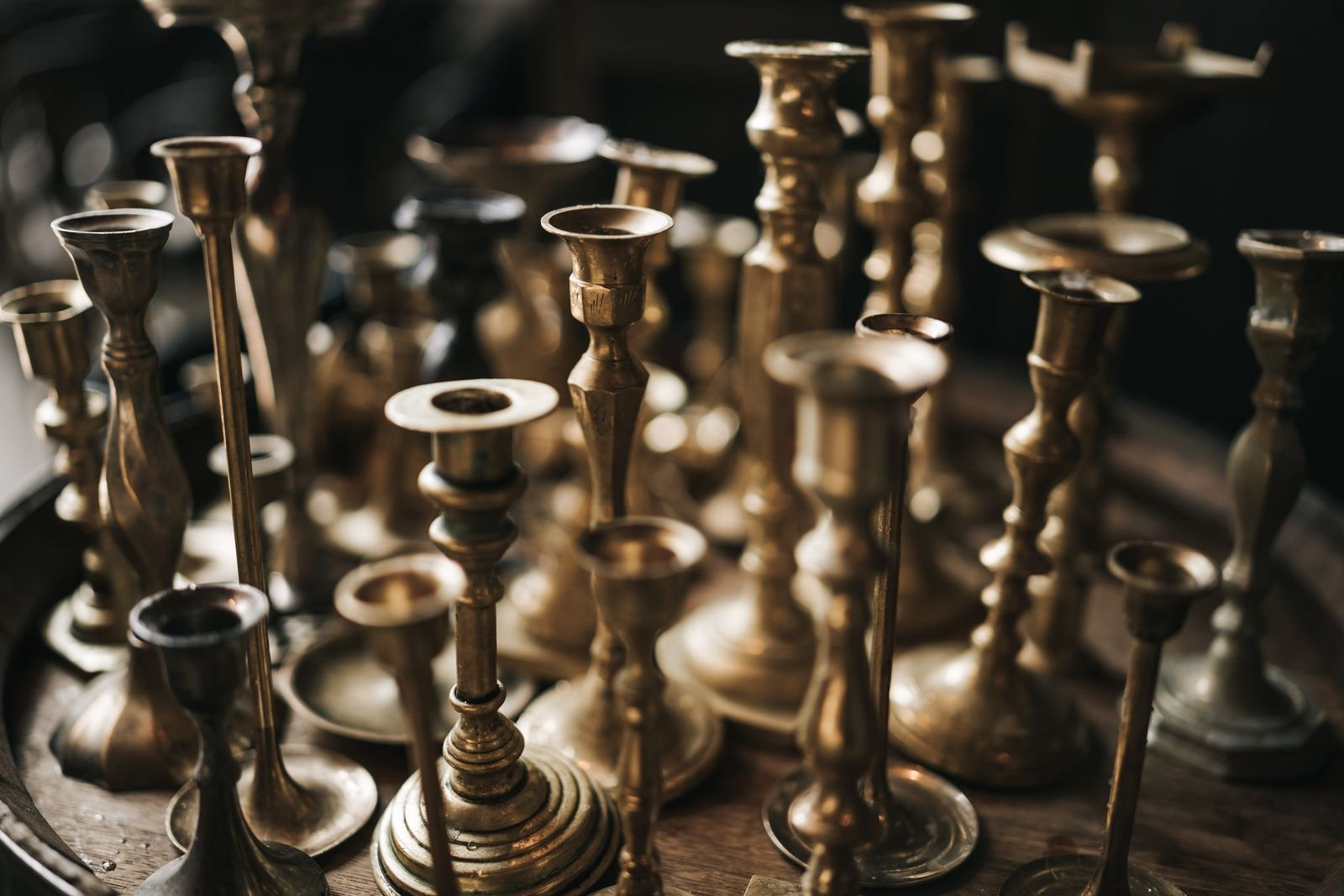
Real brass is the easiest yes in any thrift store. It is heavy for its size, it does not flake like plated finishes, and a dull tarnished surface usually hides a warm glow under one gentle polish.
Candlesticks, serving trays, small bowls, picture frames and spare drawer pulls all show up constantly, often for a couple of dollars each. Check the weight in your hand and look for a soft, even patina. Shiny peeling edges mean it is plated, and plated is a pass from me.
At home, group brass in odd numbers on a tray or mantel and let the tones vary a little. Matching everything perfectly looks bought as a set, and the whole charm of thrifted brass is that it was not.
2. Buy Woven Baskets in Every Size You Find
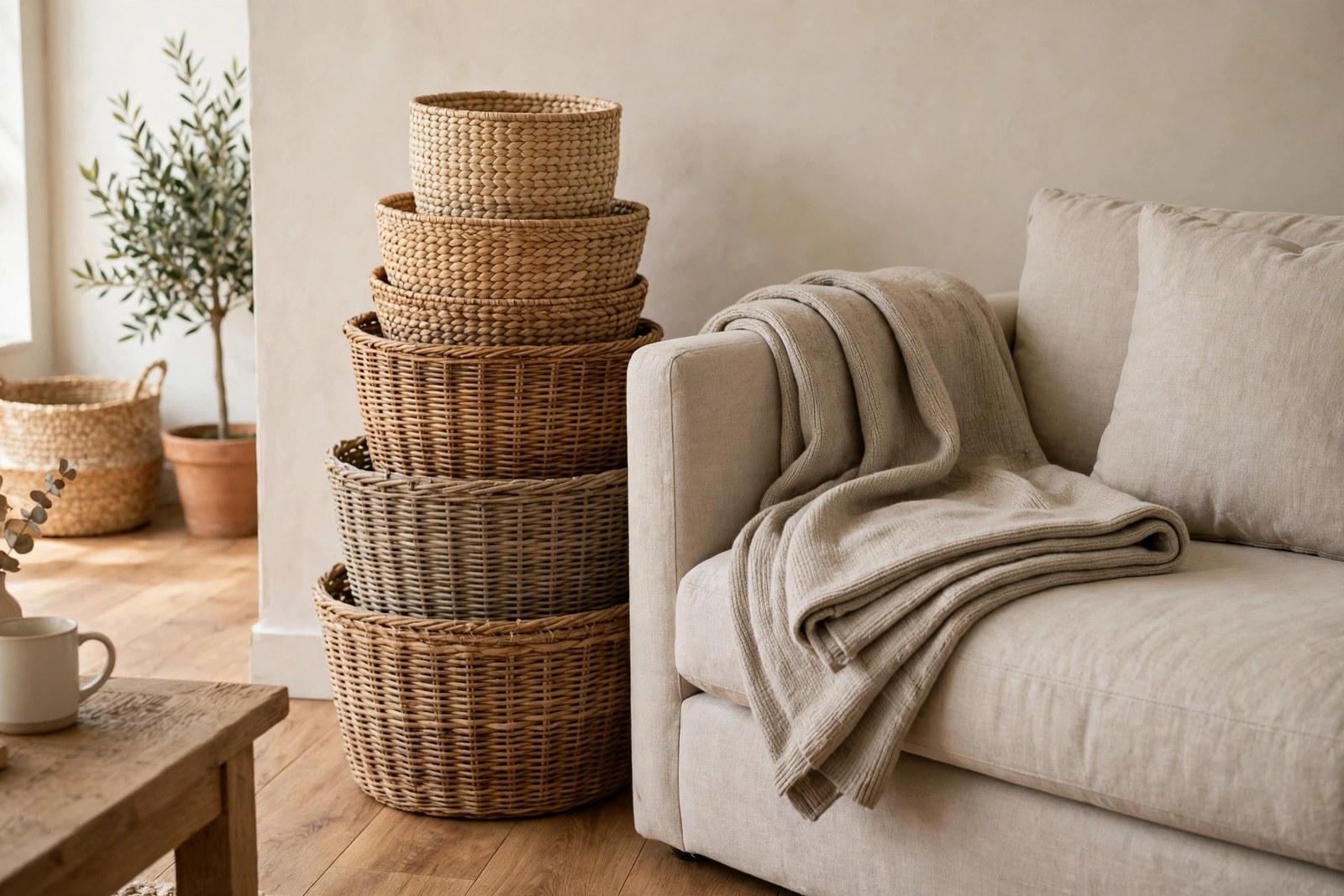
Baskets are the thrift find that works in literally every room, and secondhand ones often have a softness and variation that new baskets lack.
Look for tight, even weaving, a sturdy rim and handles fixed on firmly. A slightly faded tone is fine, even good. A broken weave is a pass, and so is a musty smell that is still there after a day of airing outside, because that smell moves into whatever the basket holds.
At home, go big for throws and firewood, medium for plants and rolled towels, small and shallow as trays on coffee tables and counters. Because baskets appear in the vintage home decor ideas for a collected look on this site too, they are one of the fastest ways to give a new room an older, settled feeling.
3. Judge Frames by Their Bones, Never by the Art Inside
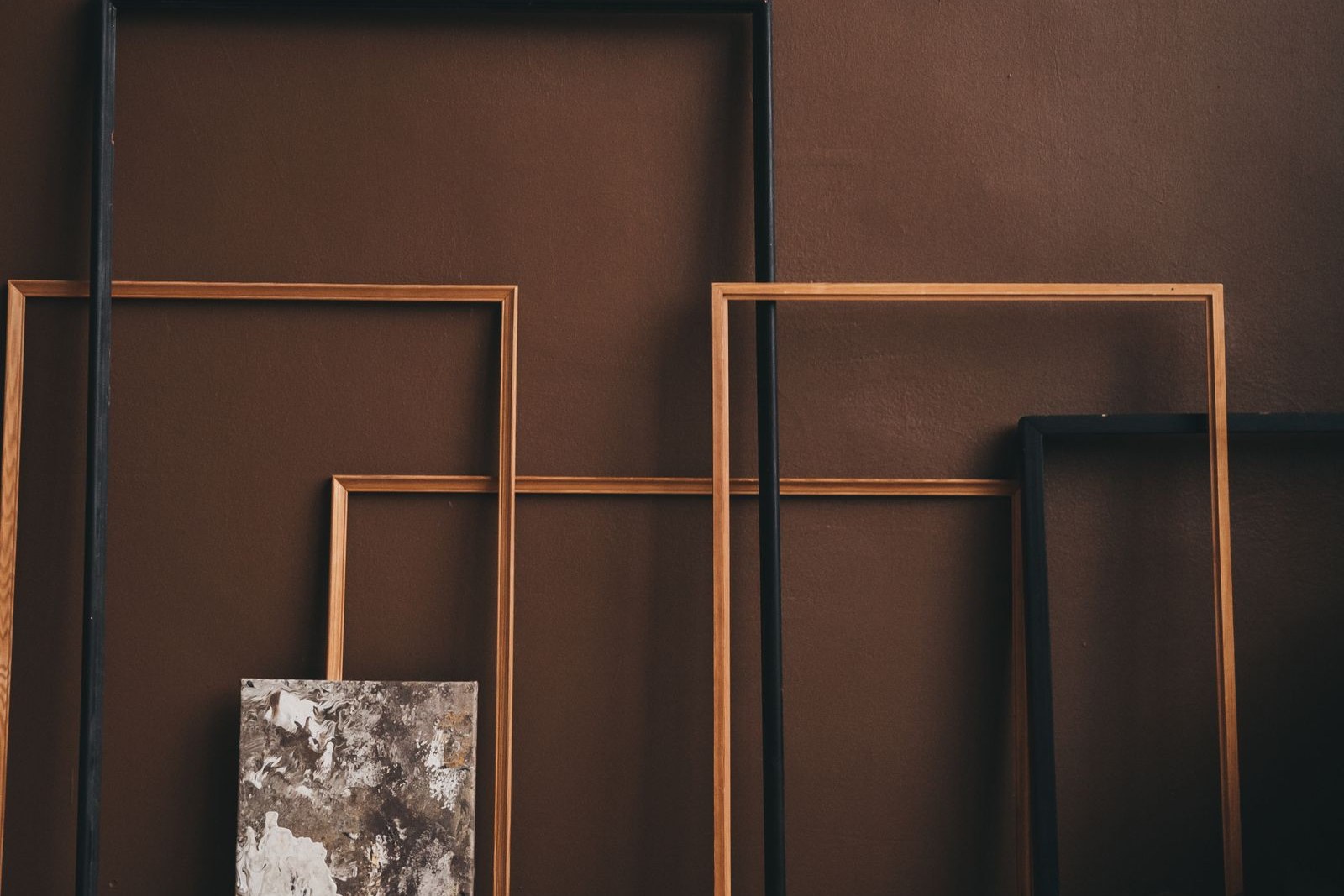
Thrift store frames are often solid wood or properly gilded, with real glass, at a small part of framing shop money. The picture inside is the least important thing about them.
Judge the frame itself: depth, tight corner joints, and whether the shape suits art you already own. A dated print in a beautiful frame is a bargain, because the print can go and the frame can hold your photos, a mirror insert, or a print you love. Check the corners by hand; a wobbling joint usually means the frame is coming apart at the glue, and that repair is fiddly.
At home, lean the larger frames on shelves and mantels instead of hanging everything. Repeat one frame finish at least twice in a room, so the mix reads deliberate rather than accidental.
4. Hunt Small Real Wood Furniture and Check the Joints
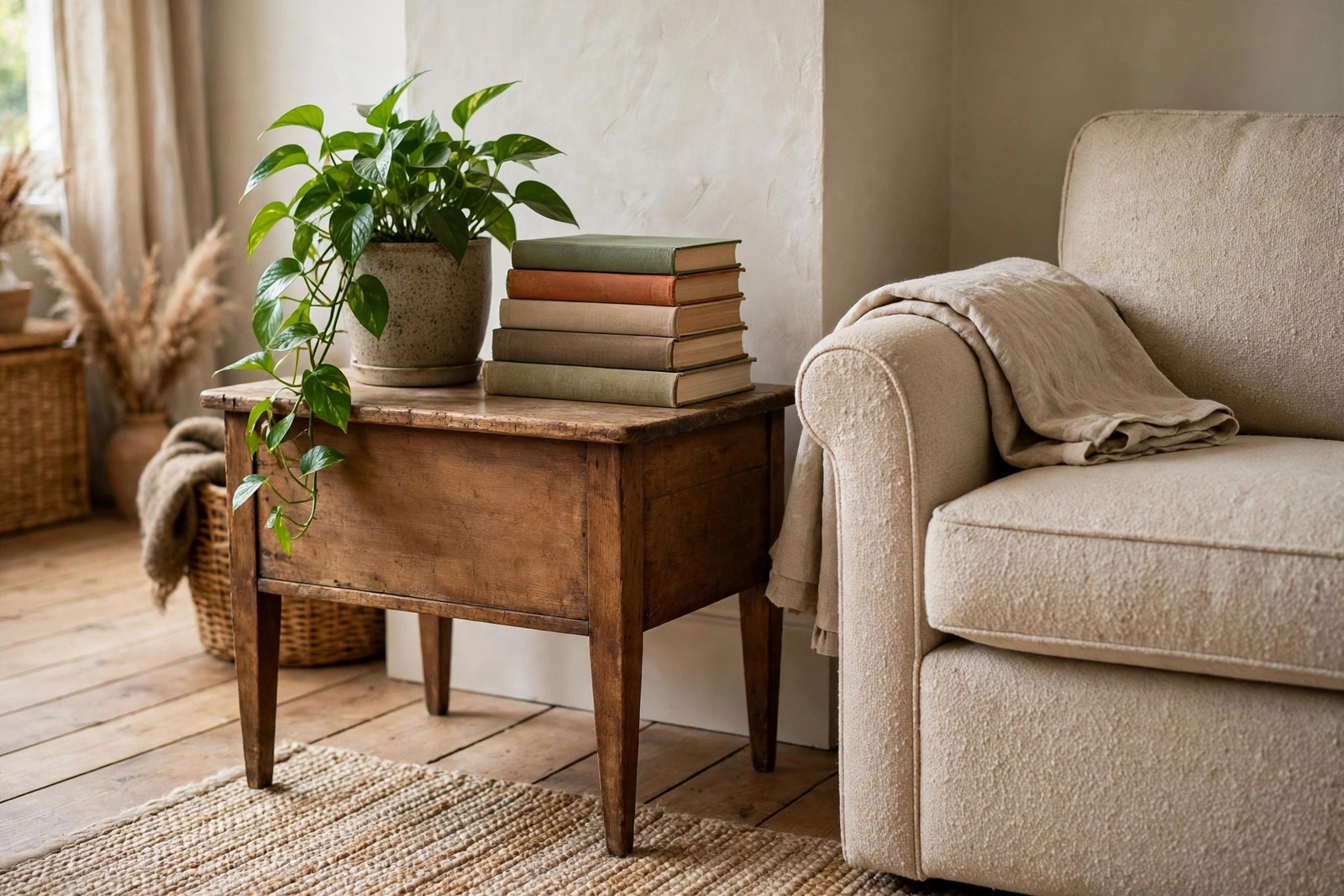
Small wooden furniture is where thrifting saves the most money and adds the most character: side tables, stools, plant stands and little cabinets in solid wood.
Clean them, wax them or paint them, and they carry the small dents of real life far better than flat pack pieces do. Before you pay, run a hand along the underside and the joints. Solid wood feels dense, drawers should slide, and a wobble in one leg is usually a tightening job. A cracked frame is a pass, full stop, because cracks in load bearing wood only travel one way.
Style it simply. Let one thrifted wood piece be the warm note in a room of painted or upholstered furniture, and resist painting everything you find the same color.
5. Buy Hardcover Books by Color and by Subject
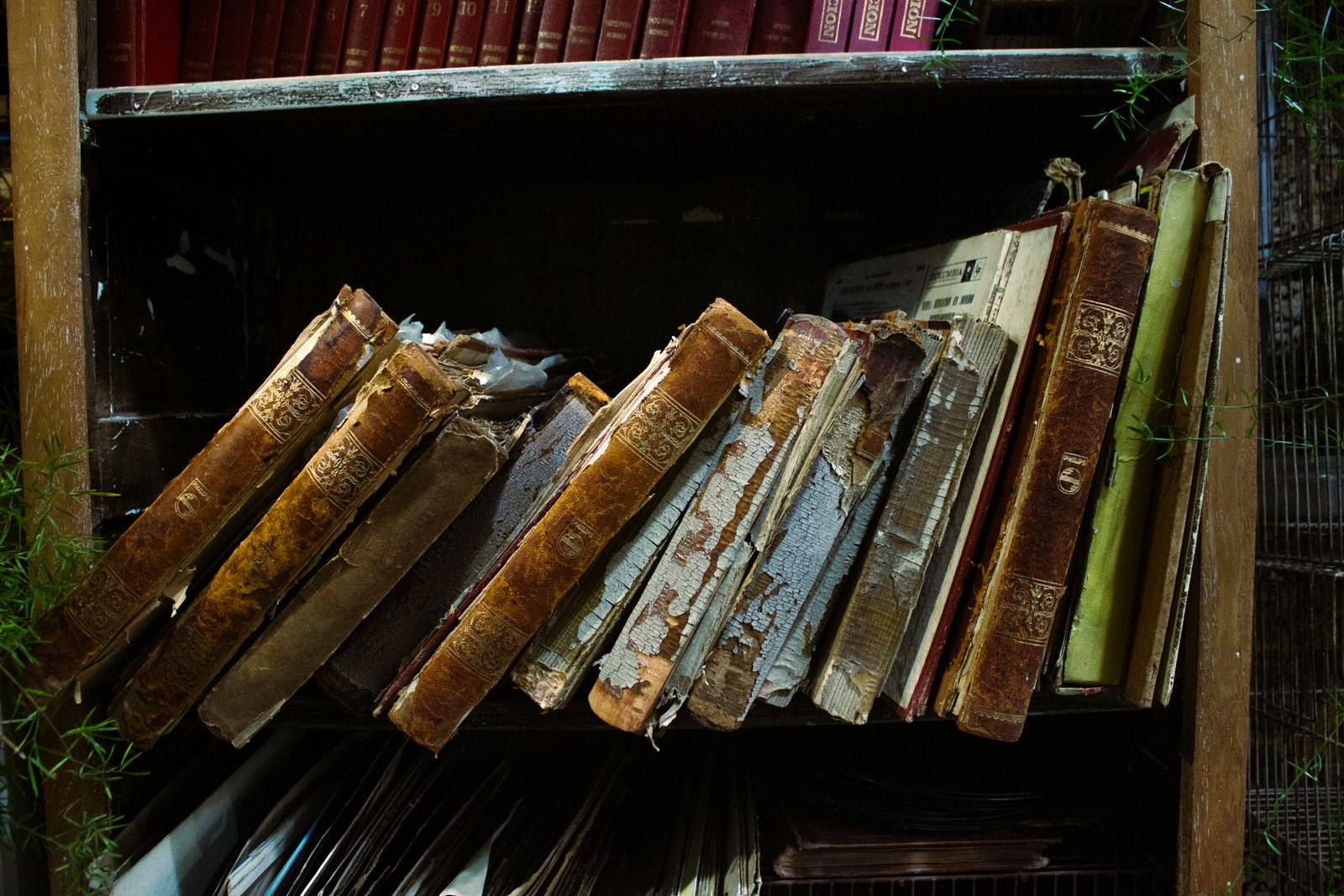
Decorators quietly buy a large share of their styling books secondhand. You should too.
Hardcovers with cloth or linen style bindings look calm on shelves, and pulling off a loud dust jacket often reveals a beautiful plain cover underneath. Buy by color family for shelves you want to feel restful, and by subject for stacks that start conversations on a coffee table. Turn spines with damaged lettering to the back of a deep shelf, or stack those copies flat where the damage hides.
Styled with the bookshelf styling ideas in mind, a few dollars of secondhand books can make a whole bookcase look like it grew over years instead of arriving in one delivery. My only rule: smell the books before they join the shelf. Musty paper shares its smell with everything beside it.
6. Buy the Lamp for Its Base and Replace the Shade
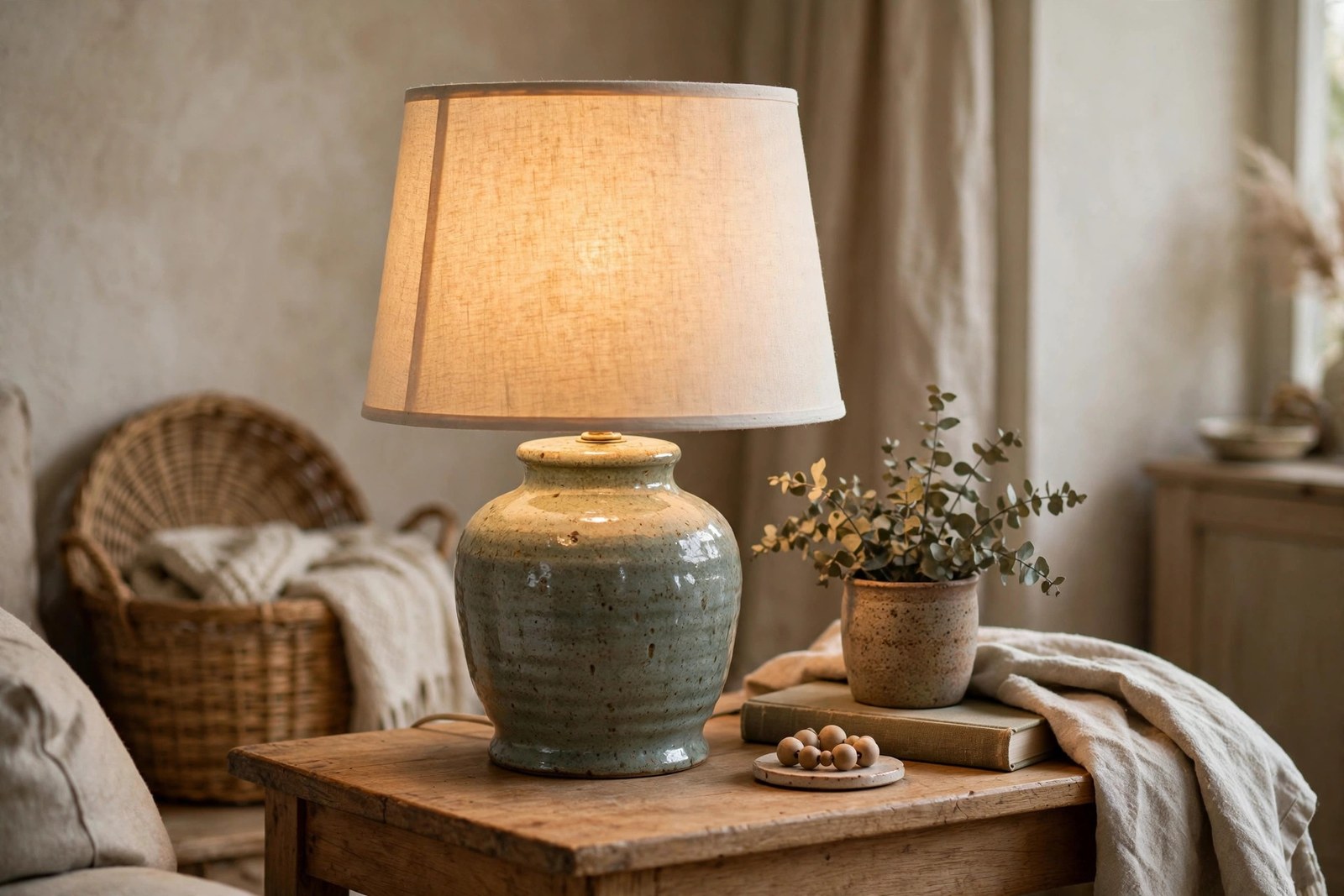
A lamp with a good shape and a heavy, steady base is worth buying even if the shade is dreadful, because shades are cheap and good bases are not.
Ceramic, brass, turned wood and thick glass bases all thrift well. Check that the socket sits straight and the cord is not frayed. If the wiring looks old or damaged, either budget for a rewire or walk away, and be honest with yourself about which one you will actually do. A frayed cord is the one thrift failure that is not charming, it is a fire risk.
At home, fit a plain drum or empire shade in a natural fabric, and your five dollar lamp passes for something far pricier by dinner.
7. Take Mirrors With Character and a Little Foxing
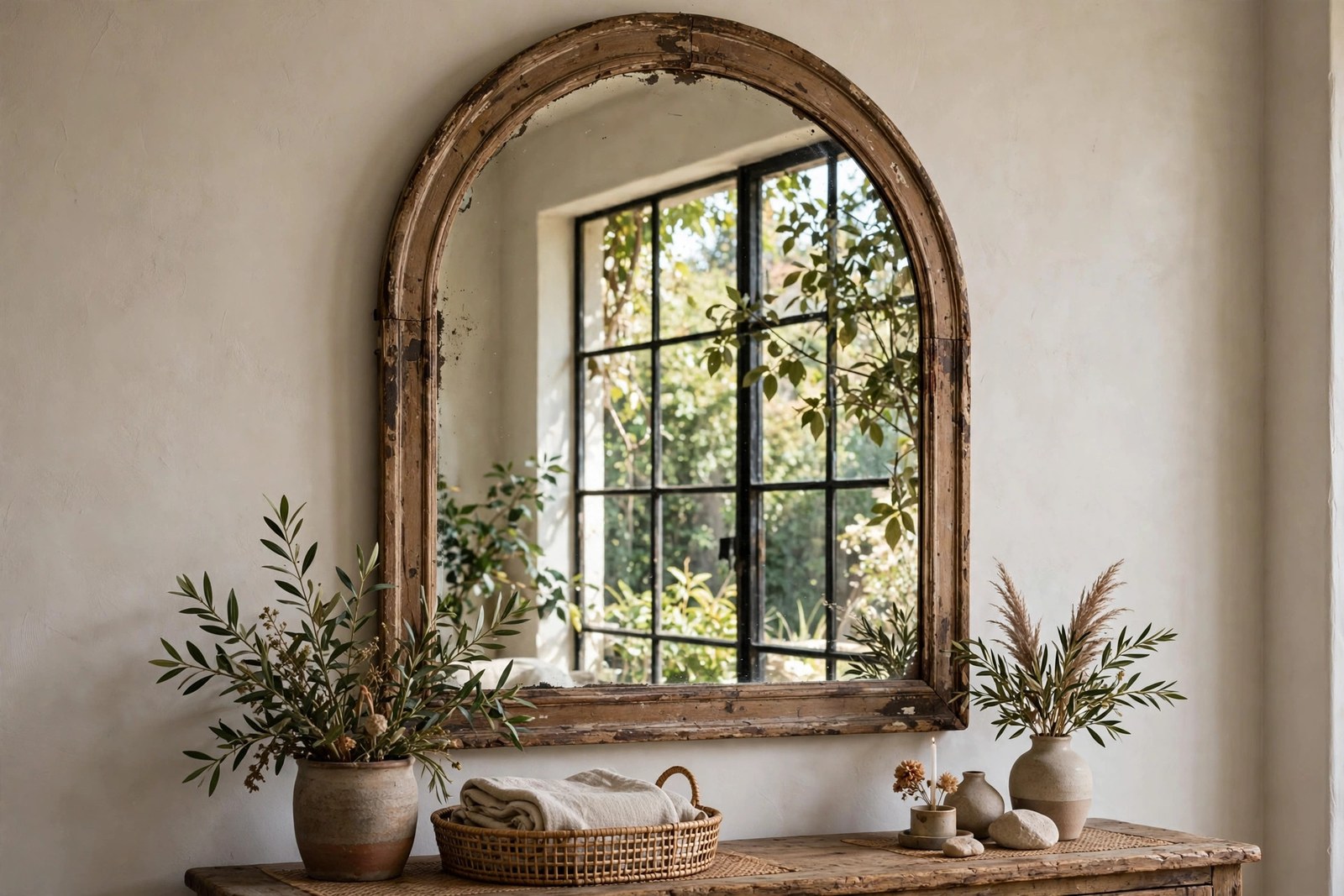
Mirrors cost real money new, so a secondhand mirror with an interesting frame is a strong find: sunburst shapes, arched tops, beveled edges and carved wood all show up priced as if the frame were plain.
Check the glass for silvering loss at the edges. A little foxing suits vintage styles and reads as character. Large black patches across the center cannot be styled away, and that mirror is a pass unless the frame alone is worth the price to you.
Hang thrifted mirrors where they catch light or reflect something worth seeing twice. Clean the glass gently, because old mirror coatings are softer than modern ones and hard scrubbing lifts them.
8. Group Ceramic and Stoneware Vases in Threes
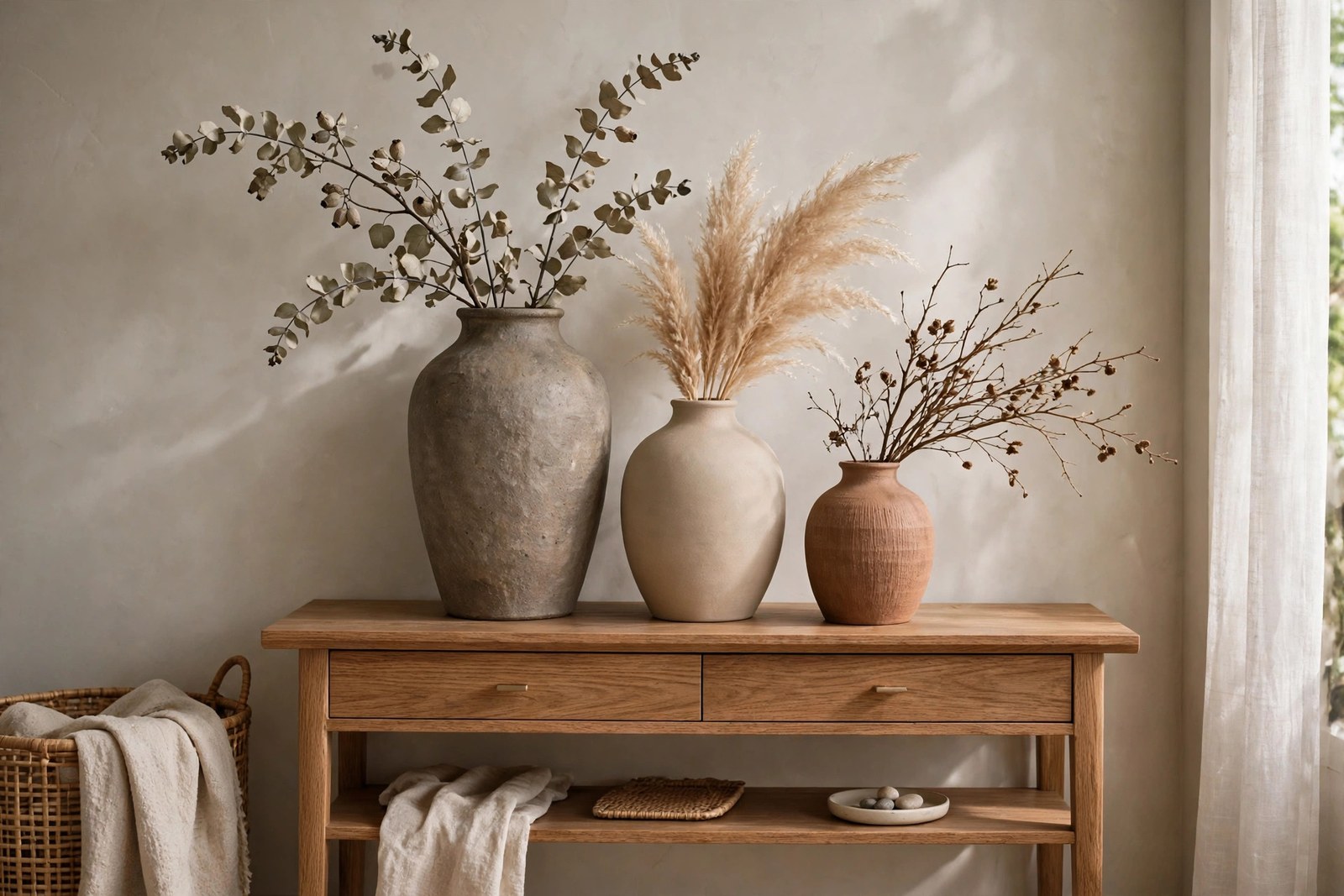
Handmade looking ceramics are a thrift store staple, from studio pottery to heavy stoneware crocks, and they are exactly what shelves and tables need to stop feeling flat.
Look for weight, an unglazed ring on the base, and shapes that hold their own while empty, because a good vase works with or without flowers in it. Run your fingertips around the rim: a small chip can turn to the wall, but a crack that runs is a pass, since cracks in ceramic grow with heat and knocks.
Style them in groups of three with varied heights, one matte piece against one glossy piece for contrast. Mine sit in a three on the entry console, and a single tall crock holding branches can anchor a whole entry console on its own.
9. Use Silver Plate Where It Works, Not Where It Dines
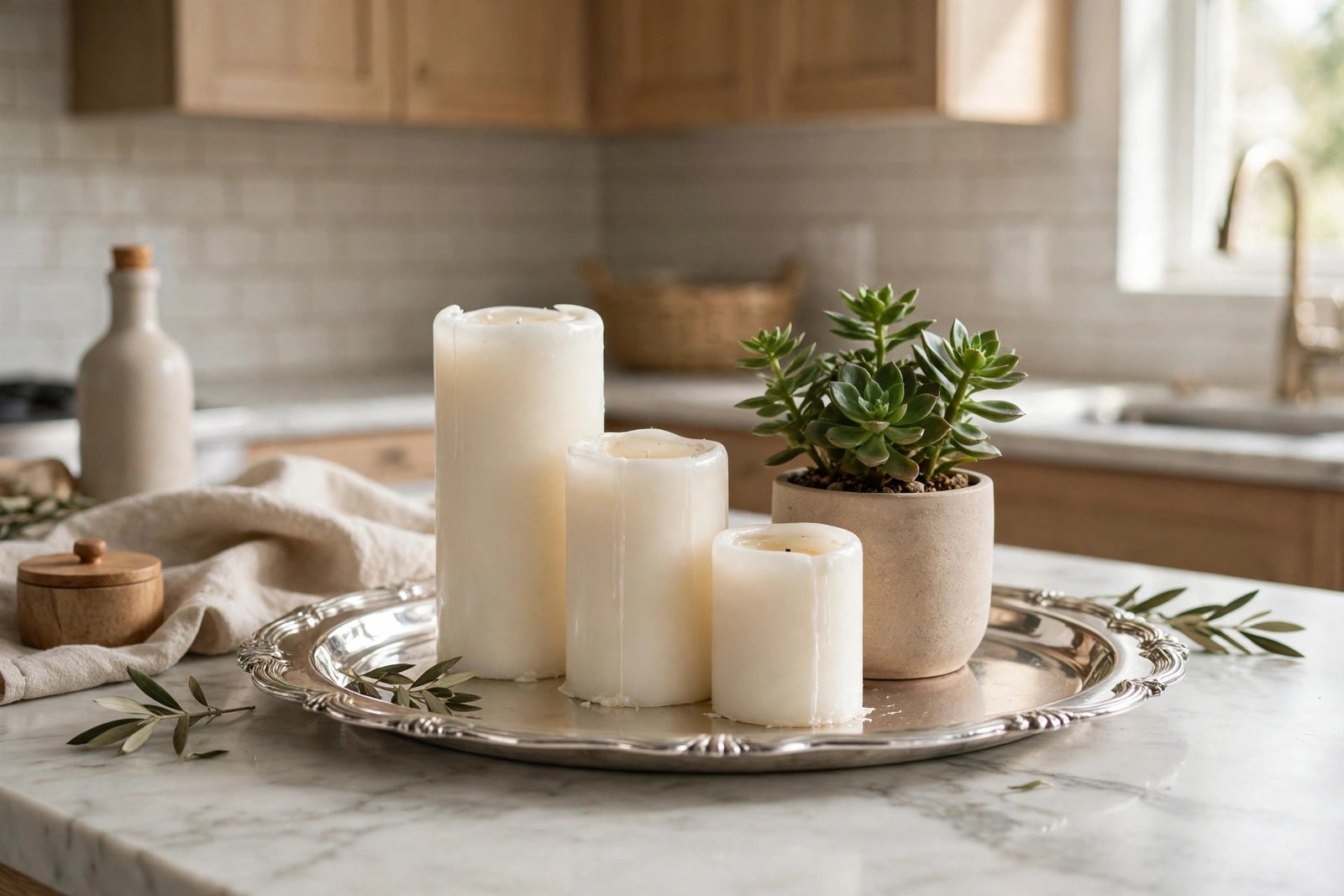
Silver plate turns up in thrift stores constantly because it is out of fashion at the table right now, which makes it nearly free for decor.
Trays corral perfume bottles, bar tools, candles and keys. Small bowls hold jewelry, matches and wrapped sweets. And a tarnished finish is not a flaw in a collected home, it is the point. If you prefer shine, a gentle paste polish brings it back in about 10 minutes.
Because these pieces carry the same lived in feeling that vintage farmhouse decor tips celebrate, they settle especially well into kitchens and dining rooms where wood and linen are already doing the talking around them.
10. Bring Home Wooden Bowls and Boards With Honest Wear
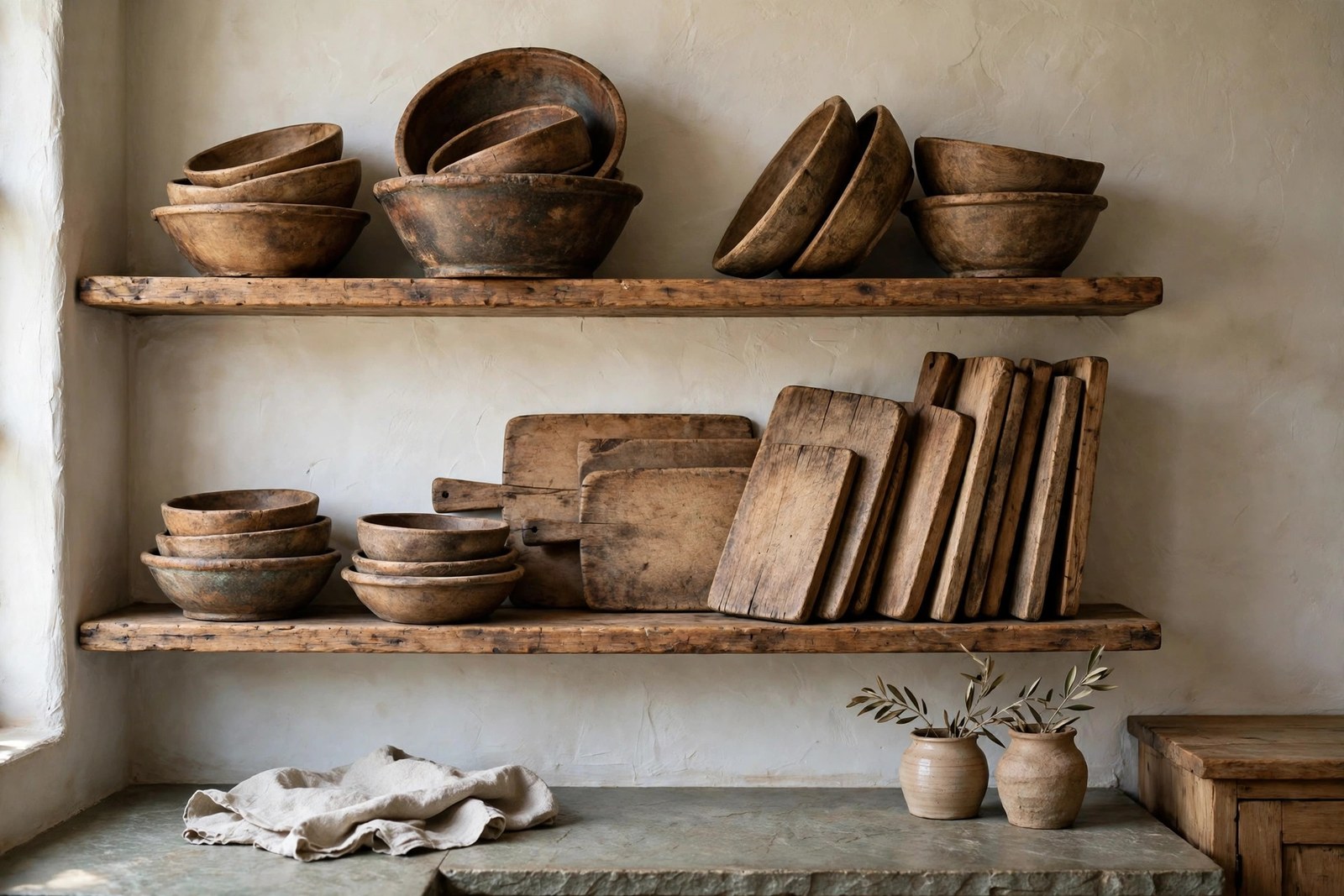
Old wooden salad bowls, dough bowls, cutting boards and rolling pins bring instant warmth to kitchens, and they were built to be used daily.
Look closely before you buy: deep knife damage and cracks that run all the way through are passes, while surface wear is fine and even attractive. Wash well, let the wood dry fully, a full day on the counter is not too long, and refresh dry wood with a food safe oil if it will touch food.
Style boards upright behind the stove or on open shelves, lean bowls into a stack, and keep the group tight. One honest old board among new kitchen pieces does more for atmosphere than a whole set of replicas. I use my thrifted boards daily, which is the real test of any find.
11. Buy the Art That Stops You Walking
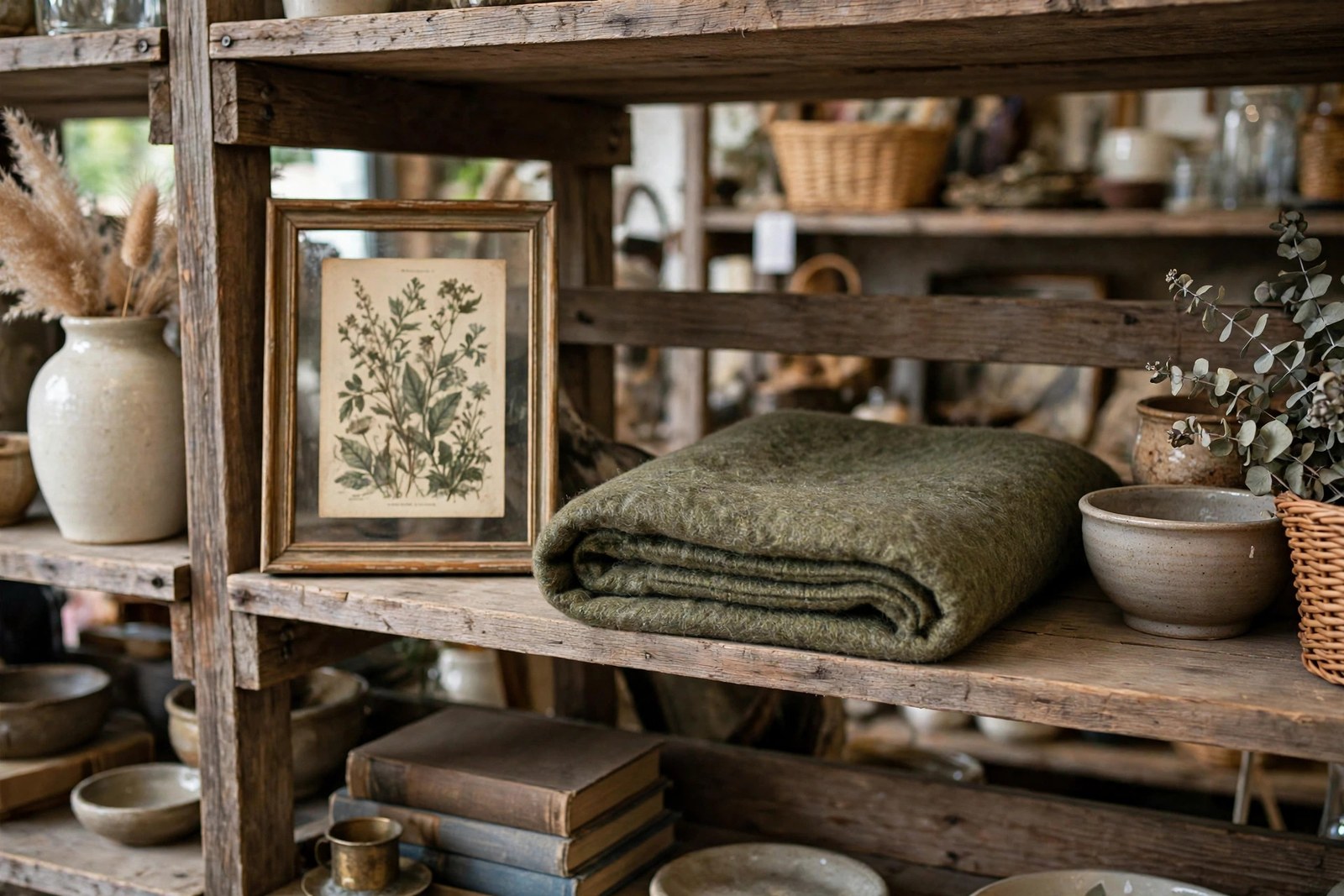
Original art in thrift stores is hit or miss, but the hits are real: small oil paintings, etchings, watercolors and botanical prints, often already framed.
Buy the piece that makes you stop walking, not the one that merely matches a sofa. Matching a sofa is how homes end up with art nobody looks at. Textiles deserve a slow look too: wool throws, linen table runners, embroidered pieces and sturdy woven blankets soften modern rooms, and natural fibers age gracefully.
Check textiles hard before you fall for them: holes, stains and smells, in good light, because all three hide in shop lighting. Plan a gentle wash or a long airing. And remember, choosing secondhand first is one of the simplest sustainable home decor tips there is, because the most sustainable piece is the one that already exists.
The Bottom Line
Thrifting for decor works when you shop for materials and shapes instead of trends. Brass, baskets, frames, real wood, books and lamps show up week after week, and each one you bring home adds a layer new stores cannot sell you. Check condition with honest eyes, fix what is fixable, pass on what is cracked or smelly, and style pieces in groups with room to breathe. Keep a short wish list on your phone so every visit has a purpose, and the collection grows by intention instead of impulse.
Start with brass. Pick up three candlesticks on your next visit, group them on a tray, and watch a shelf look collected by tonight.
Frequently Asked Questions
What should you always buy at thrift stores for decor?
Solid brass, woven baskets, well made frames, real wood small furniture, hardcover books and lamps with good bases. These categories are priced low secondhand, were often made to a higher standard than modern budget versions, and work in almost any room or style.
How do you make thrifted decor look intentional, not random?
Repeat something. Use one metal, one wood tone or one color at least twice in the room, group small pieces in odd numbers on trays or shelves, and leave empty space around the groups. The eye reads repetition and breathing room as a plan, even when every piece came from a different shop.
What thrift store items should you avoid?
Anything upholstered you cannot deep clean, lamps with damaged wiring you will not actually rewire, cracked ceramics meant for food, and pieces with smells that survive a full day of airing out. If the fix costs more than the find, leave it for someone else.
How do you clean and refresh thrift store finds?
Start gentle: dust, warm soapy water for washable pieces, and a full day of fresh air for anything fabric. Polish brass and silver only as much as you like, since patina is part of the charm. Refresh dry wood with wax or oil, and launder textiles on a gentle cycle, or have fragile pieces cleaned for you.