How to Decorate a Rental Without Risk: The Ultimate Renter-Friendly Guide
Renting does not have to mean living in a white box that belongs to somebody else. Most leases ban permanent changes, not personality, and the gap between those two things is bigger than most renters realize.
Floors can be covered, walls can change color, kitchens can gain a backsplash, and none of it has to cost you a cent of your deposit.
This guide shares eleven renter friendly decor ideas that genuinely transform a space, ordered from the rules you need to know first to the finishing touches that make a rental finally feel like yours.
1: Understanding the Limits of Renter-Friendly Home Decor

Start with your lease, not a shopping cart. Most agreements ban painting, drilling and fixture changes, but many landlords quietly allow small nail holes or even paint if you ask in writing and agree to restore the walls. An email asking permission costs nothing and protects you completely if the answer is yes. Photograph every room, wall and floor on moving day, with the date visible, so existing marks are never blamed on you later. Then decorate with a simple rule in mind. If it cannot be removed in one day with no trace, it needs written permission first.
2: The Magic of Non-Damaging Adhesive Hooks and Strips

Adhesive hooks and picture hanging strips are the renter’s best friend. The good ones hold serious weight, come off with a pull tab, and leave paint exactly as they found it. Use them for frames, mirrors within the weight limit, wreaths, clocks and kitchen tools inside cabinet doors. The technique matters. Clean the wall with rubbing alcohol first, press for the full time on the packet, and wait the stated hour before hanging anything precious. Never use them above a bed or a sofa where a failure would land on someone, and keep the spare strips, because every landlord inspection goes better when the walls are flawless.
3: Temporary Wall Coverings: Peel-and-Stick Options

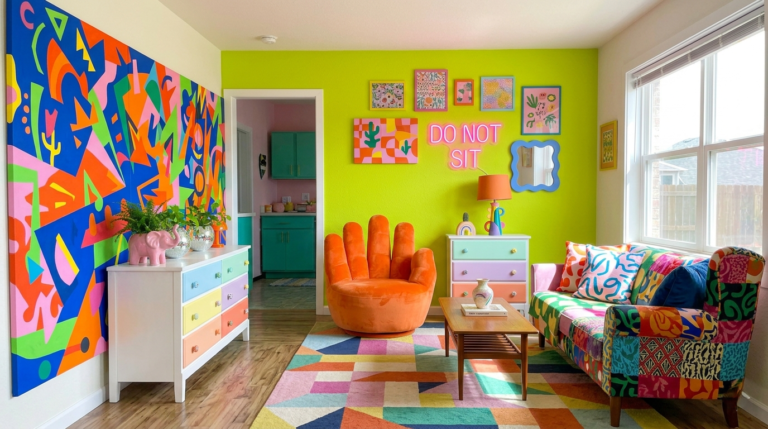
Peel and stick wallpaper changes a room more completely than anything else a renter can do. One accent wall in a bedroom or behind the sofa carries the whole effect for a fraction of the cost of covering everything. Modern versions remove cleanly from smooth, painted walls, but test a hidden patch for a week first, because fresh or chalky paint can peel with any adhesive. Application is a two person job with a smoothing tool and patience, working slowly from the top and pushing bubbles outward. Keep the leftover roll and the batch number. You may want an extra strip for the entryway, and dye lots vary.
4: Flooring Solutions: Area Rugs and Peel-and-Stick Tiles

Bad rental floors are famous, and they are also optional. A large area rug covers most of a room for the least money and effort, adds warmth and cuts echo in one move. Choose the biggest size the room can take, because small rugs look like accidents. Peel and stick floor tiles go further in kitchens and bathrooms, and many renters lay them over existing vinyl without adhesive for a fully reversible fit. Always use a rug pad underneath rugs on hard floors. It stops slipping, protects the floor beneath from scratches, and quietly proves to your landlord that you cared for the place.
5: Lighting Upgrades: Swap Fixtures, Don’t Rewire

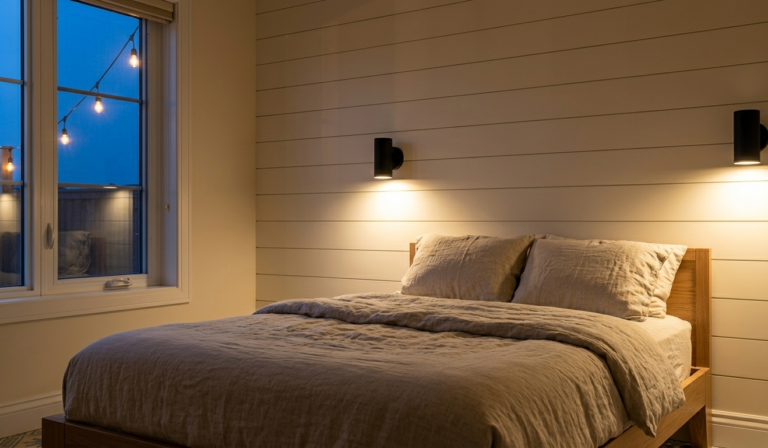
Rental lighting is usually one sad ceiling fixture, but you have more options than you think. Unscrew the builder grade shade and fit a prettier one on the same mount, keeping the original safely boxed for moving day. Plug in pendant lights hung from a ceiling hook, where small fixings are allowed, bring light down to human level, and floor and table lamps do the heaviest work of all. Smart bulbs add dimming and warm tones with no wiring at all. The golden rule is simple. Electricity stays untouched. Anything beyond swapping a shade or a bulb belongs to an electrician and a conversation with your landlord.
6: Window Treatments: No-Drill Rods and Temporary Blinds

Bare rental windows and bent venetian blinds date a room instantly. Tension rods fitted inside the window frame hold curtains with no drilling at all, and no drill brackets that clamp onto the frame do the same for heavier drapes. Hang curtains high and wide where the hardware allows, so the window looks bigger and light still floods in. Temporary paper or fabric blinds with adhesive headers cover bathroom and street facing windows in minutes while you decide on the permanent look. Keep the original blinds, cleaned and stored. Rehanging them on the last day is five minutes that protects your whole deposit.
7: Kitchen and Bathroom Hacks: Removable Backsplashes

The kitchen is where rentals feel most borrowed, and a removable backsplash is the fastest cure. Peel and stick tile sheets, beadboard panels fixed with adhesive strips, or even a large washable art print behind the stove zone give the room a designed focal point. In bathrooms, the same approach covers a tired splashback, and waterproof versions handle steam well. Measure carefully and buy one extra sheet, because cuts around outlets and corners always use more than the plan. Test removal behind the fridge first. If the paint lifts there, choose the panel option and lean it instead of sticking it.
8: Furniture That Makes an Impact (and Travels With You)

In a rental, your furniture is your decor. The walls are temporary, but a great sofa, a real wood table and a chair you love will move with you for years, so this is where the budget belongs. Choose pieces with standard dimensions that fit most rooms and doorways, and legs that keep them easy to move. Modular sofas and folding or extendable tables earn their keep in small and changing homes. When in doubt between a trendy piece and a classic one, buy the classic and make it trendy with cushions and throws, which are cheap to change and free to take with you.
9: Using Greenery to Add Life and Texture

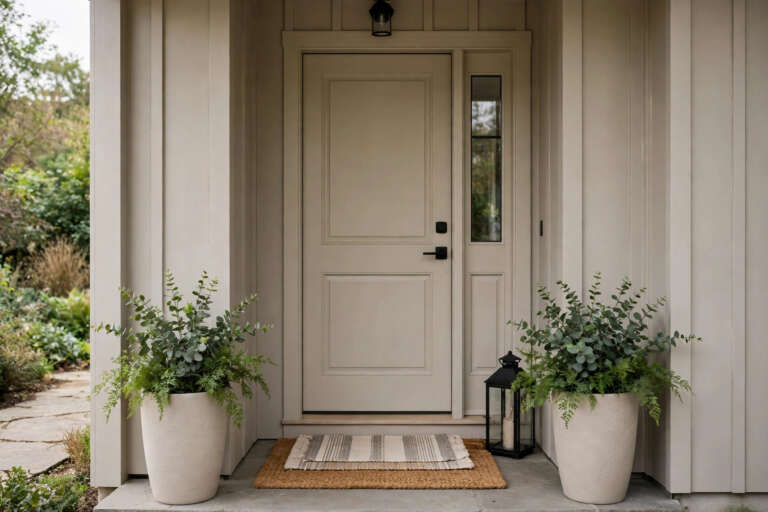
Plants forgive a multitude of rental sins. They cover ugly corners, soften hard landlord architecture, add color without touching a wall and make any room look cared for. Group plants at three heights, one tall floor plant, one on a stand or shelf and one trailing from up high, for the layered look that reads as designed. Good low light rental choices include pothos, snake plants and ZZ plants, which survive irregular watering and north facing windows. Use decorative pots instead of built in planters, group small plants on a tray so watering day is tidy, and remember that one big healthy plant beats five struggling ones every time.
10: Styling Surfaces: Lean Art and Curate Bookshelves

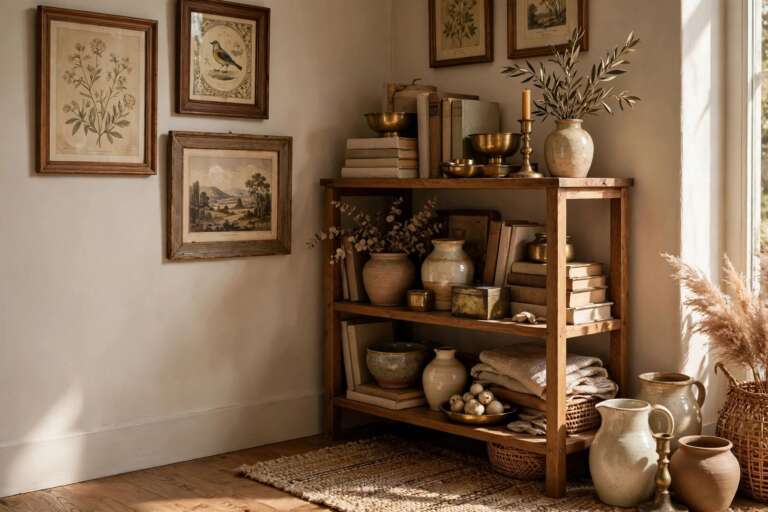
You do not need to hang art to display it. Large frames leaned against the wall on a sideboard, shelf or even the floor give a relaxed gallery feel with zero holes, and you can rearrange the whole show in five minutes. Bookshelves carry the rest of the styling. Mix vertical rows with horizontal stacks, leave a third of the shelf space empty, and weave in ceramics, a small plant and one personal object per shelf. The empty space is what makes it look curated rather than stored. Rotate pieces seasonally from a storage box. The room feels new, the walls stay perfect and nothing new was bought.
11: The Final Transformation: A Risk-Free Personalized Home

The last step is layering, and it is what separates a decorated rental from a furnished one. Textiles in your colors on every seat, light at three heights, art you chose, plants in the corners and one or two objects that could only belong to you. Walk the home at the hour you live in it most and fix whatever still feels borrowed. Keep a small moving day box from the start, holding original fixtures, blinds and spare adhesive strips, so returning the home to its first day condition is a calm afternoon, not a panic. Risk free never meant style free. It just means every change was smart enough to leave with you.
Conclusion
A rental becomes a home through decisions, not drilling. Cover the floors, dress the walls with things that peel away, light the rooms at human height and invest in furniture and plants that will travel with you for years. Respect the lease, document everything and keep the originals boxed, and your deposit stays as safe as your style is personal. Pick the one room that bothers you most, start with its floors and light this weekend, and let the transformation spread from there, one reversible layer at a time.
The kitchen is where this approach shines most, and these peel and stick backsplash ideas are the fastest weekend upgrade a renter can make.
The bathroom is where no-drill matters most, so start with no drill bathroom storage that comes down clean at move out.
For the next step, see these peel and stick bathroom floor ideas for renters.
Also worth a look: budget apartment decorating ideas.
For the next step, see these plug in wall sconce ideas for renters.
Keep going with these first apartment living room ideas, they pick up right where this leaves off.
Frequently Asked Questions
Can I paint my rental walls?
Only with written permission. Many landlords agree if you commit to repainting in the original color before leaving, but get the answer, the color code and the conditions in an email first. Without permission, peel and stick coverings give the color with none of the risk.
Will peel and stick products damage the walls?
On smooth, sound paint they usually remove cleanly, especially when you warm them gently and pull slowly. The risk rises on fresh paint, chalky paint and damaged plaster, so always test a hidden area for a week before covering a full wall.
How do I hang heavy art without nails?
Use rated adhesive strips in pairs matched to the frame’s weight, or lean large pieces on furniture and shelves instead. For anything genuinely heavy or valuable, leaning is the safer and more stylish answer, and it needs no hardware at all.
What should I keep to protect my security deposit?
Every original fitting you remove, including light shades, blinds and cabinet handles, cleaned, labeled and boxed. Add your dated move in photos and any written permissions from your landlord, and restoring the home becomes simple proof, not an argument.