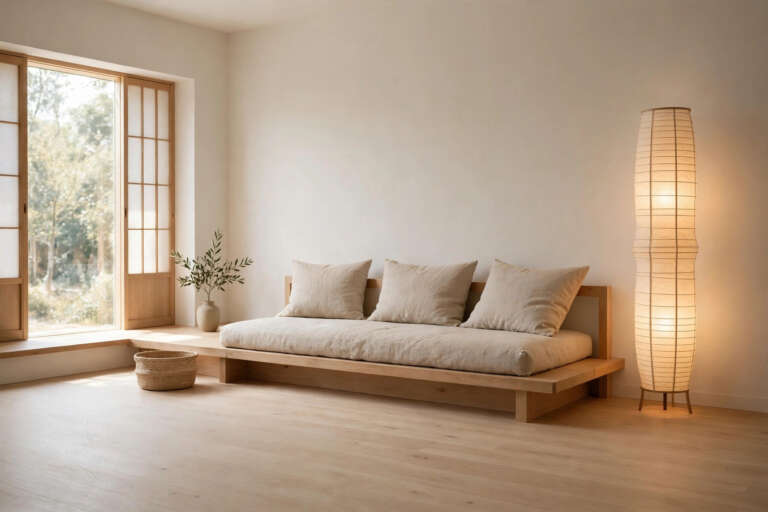
Cozy Reading Nooks for Small Spaces: 11 Big Ideas
You do not need a library, a spare room or even a whole wall to have a reading nook. You need one comfortable seat, decent light and a small sense of separation from the rest of the room.
That is good news for small homes, because the best reading nooks for small spaces hide in plain sight. They live in the corner nobody uses, the wide windowsill, the landing at the top of the stairs.
This guide shares eleven ways to claim those overlooked spots and turn them into the seat everyone in the house quietly fights over.
1. Identify Your Undiscovered Corner (The Micro-Nook)
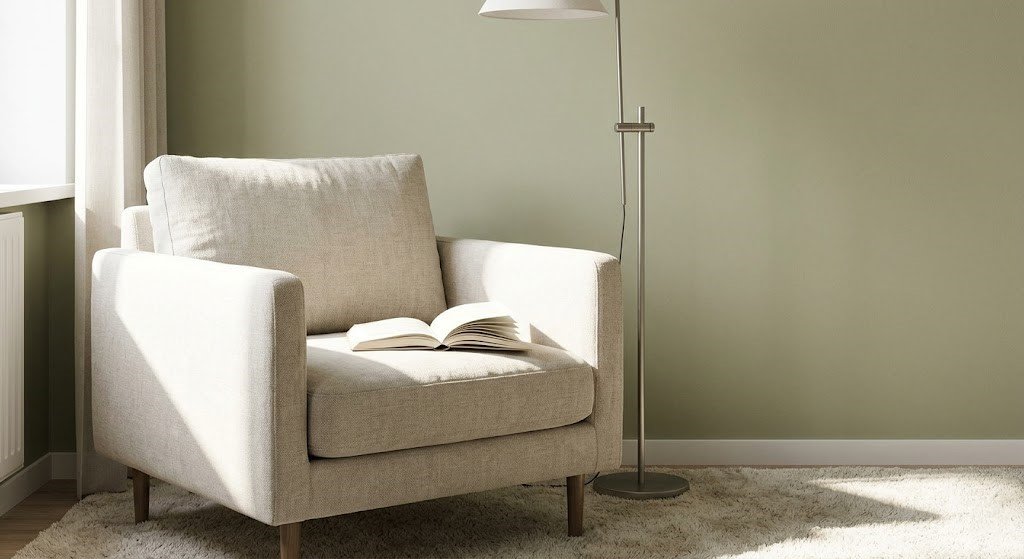
Every home has one corner that collects clutter because nobody knows what to do with it. That corner is your nook. Look for a spot roughly the size of a chair, near a power outlet if possible, and away from the television. A single comfortable chair, a cushion and a small lamp are enough to claim it. Add a tiny side table or even a stack of books for your cup and glasses. The psychological trick matters. Once a corner has a chair and a light of its own, your brain starts treating it as a destination, not leftover space.
2. Maximize the Daylight: The Window Bench
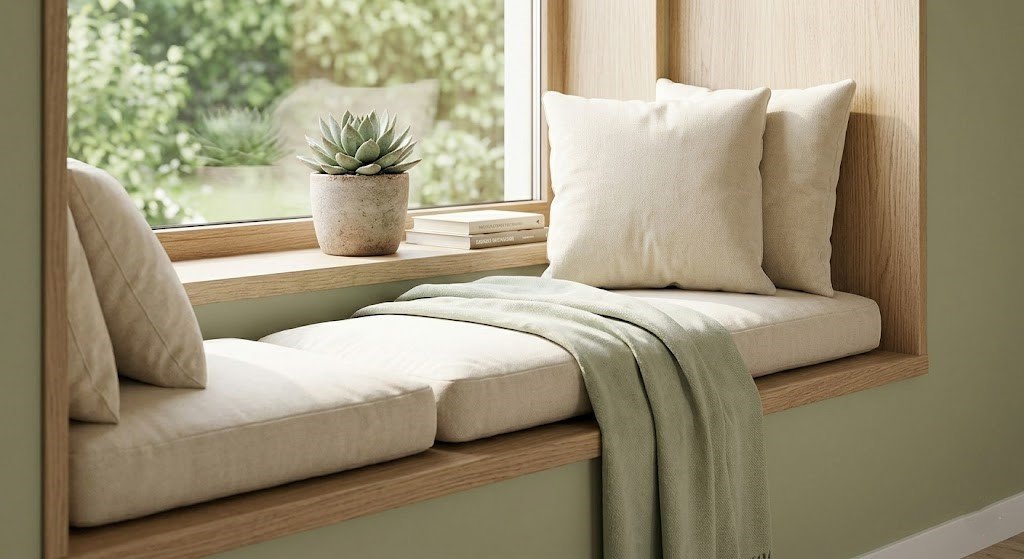
A window seat is the classic reading spot for a reason. Daylight is the kindest light for reading, and the view gives your eyes a rest between chapters. If your window has a deep sill or a low radiator cover, a firm cushion turns it into a bench. Renters and tight budgets can fake it by pushing a low storage bench or a sturdy trunk under the window instead. Add two cushions for your back and a throw for cooler days. Keep a pair of sunglasses nearby in summer, since bright south facing glass can glare at midday.
3. Vertical Volume: The Staircase Library
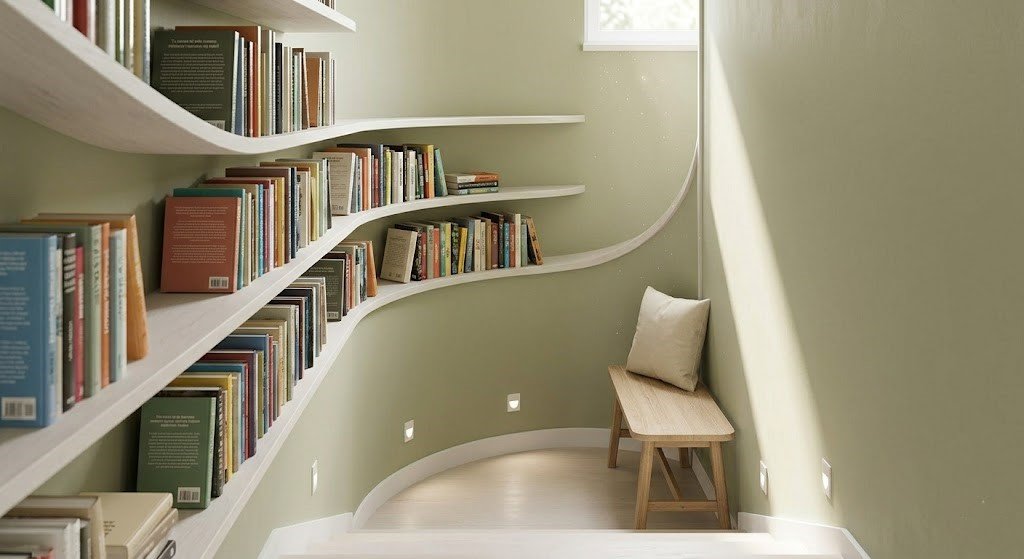
Staircases waste a lot of wall. Tall, narrow shelving following the slope of the stairs turns that dead volume into a library, and a chair on a wide landing completes the nook. Shallow shelves work best here, since books do not need deep storage and slim shelves keep the walkway clear. Sort books by height along the slope for a rhythm that looks deliberate. Safety first, though. Keep the handrail completely clear, leave full walking width on the steps, and put anything you grab daily on the lowest shelves so nobody stretches over a stair edge.
4. Optimize the Attic: The Sloped Ceiling Retreat
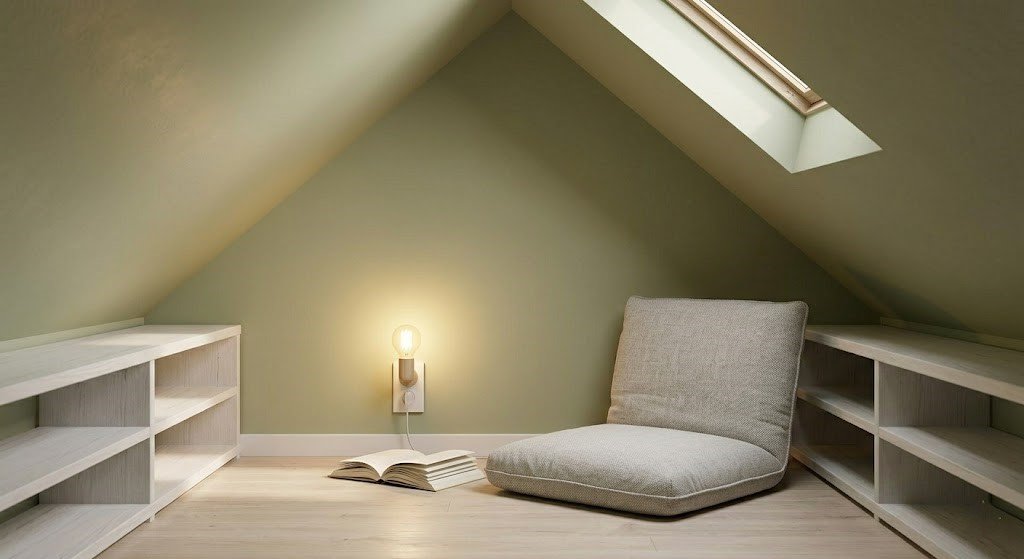
Sloped ceilings are useless for standing, which makes them perfect for sitting. A low lounge chair, a bean bag or a pile of floor cushions under the eaves creates a retreat that feels like a secret. Low furniture follows the ceiling line instead of fighting it, and warm, dimmable light makes the slope feel cozy rather than cramped. Add a small bookshelf on the one full height wall. Watch the temperature. Attics run hot in summer and cold in winter, so a fan, a blanket basket and blackout blinds for the roof window will decide whether you actually use the space.
5. Repurpose the Closet: The Hidden Reading Room

A spare closet, or half of a large one, makes a surprisingly satisfying reading room. Remove the doors or leave them wide open, take out the hanging rail, and fit a bench cushion across the back at sitting height. Line the walls with shallow shelves or stack books in crates at either end. Battery powered or plug in wall lights solve the darkness problem without an electrician. This nook has a real advantage in busy homes. It is the one seat where you are genuinely out of sight, and closing the curtains you hang over the opening buys you true quiet.
6. Swing into Comfort: The Indoor Hammock
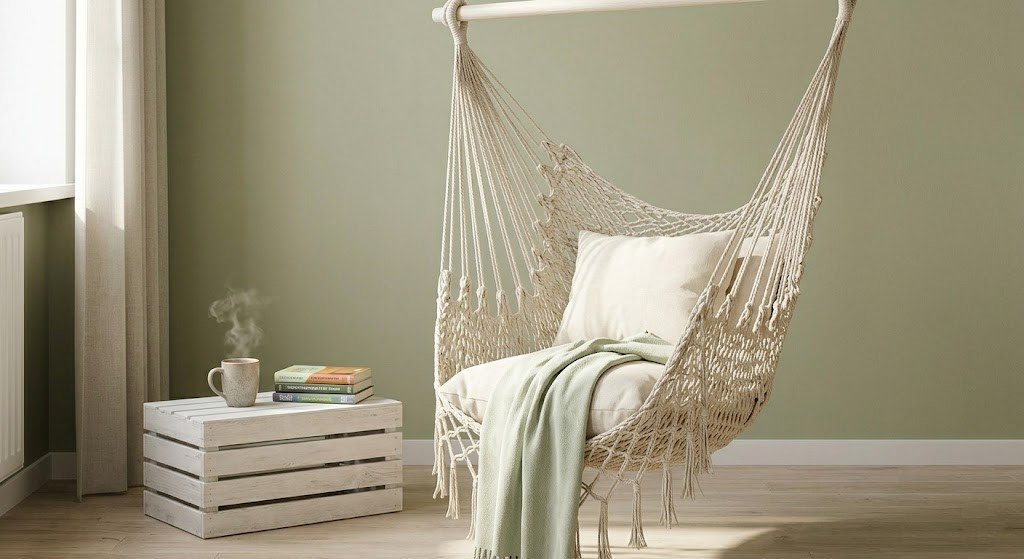
A hanging chair or indoor hammock gives a nook instant personality and a gentle sway that many readers find deeply relaxing. It suits corners and window bays where a normal chair would look heavy, because the open base keeps the floor visible and the room feeling bigger. Installation is the serious part. The fixing must go into a ceiling joist or a rated stand, never into plain plasterboard, and renters should choose a freestanding hammock frame instead. Keep a light throw over the edge and a small table within reach, and test the swing path so you are not bumping the wall with every page.
7. Define the Nook: Paint and Textiles
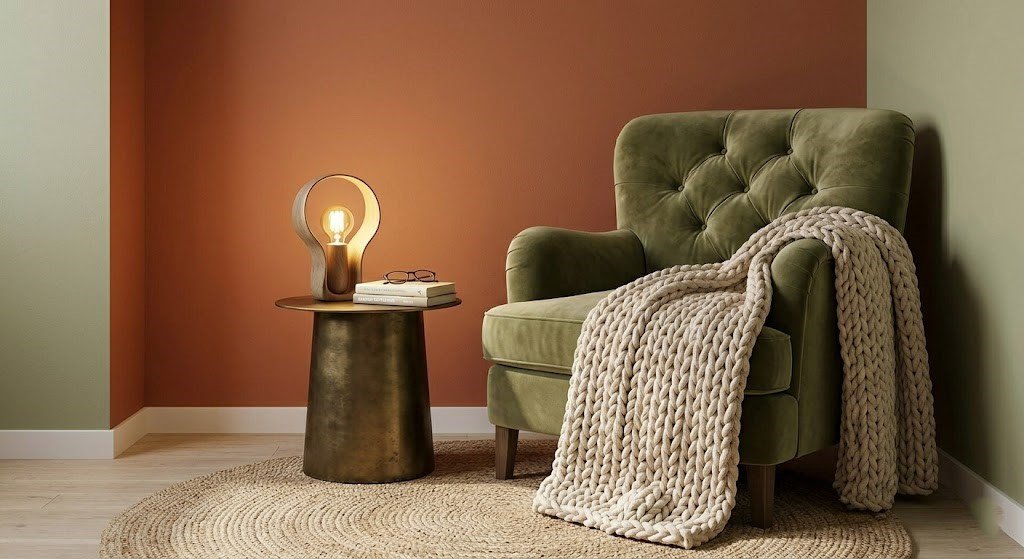
Sometimes the nook is already there and only needs a boundary. A painted arch or color block behind a chair, a rug under it and a curtain or tall plant at its edge tell your eye that this is a separate little room. Paint is the cheapest divider there is, and tester pots cover a nook sized patch easily. Renters can swap paint for a large tapestry, removable wallpaper panel or a tall bookcase used as a screen. Layer textiles generously here. Cushions, a throw and a soft rug are what turn a chair in a corner into a place you sink into.
8. Optimize the Alcove: Built-In Efficiency
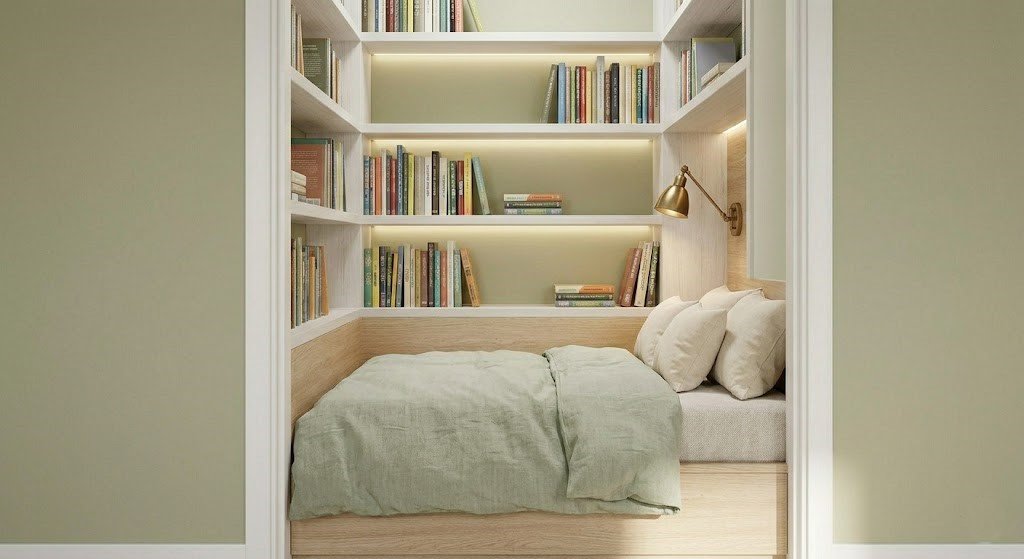
Alcoves, the recesses beside fireplaces or between walls, are made to be filled. A bench seat across the alcove with shelves above it uses every inch and looks like it was always part of the house. Storage drawers or baskets under the bench hide blankets and chargers. Homeowners can build this in properly, but a good fake exists. A flat pack bench and two narrow bookcases, trimmed to fit and painted the wall color, give the same tailored effect for far less. Measure three times before ordering anything, because alcoves in older homes are rarely square.
9. Optimize the Fireplace: Warmth and Light
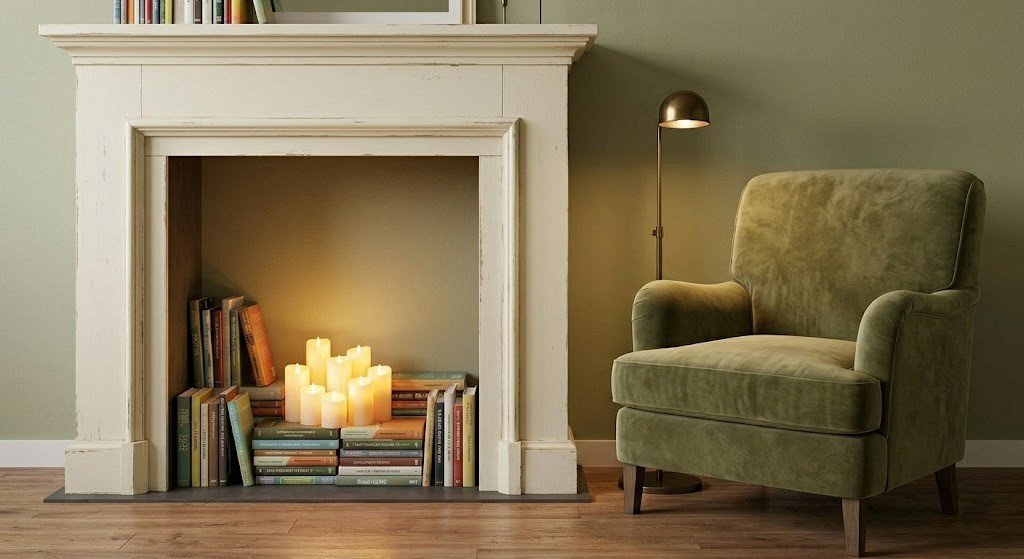
If you have a fireplace, the best seat in the house is already decided. An armchair angled toward the hearth, close enough to feel the warmth but far enough to protect the fabric, becomes a nook the moment the fire is lit. For a non working fireplace, the firebox itself can hold stacked books or candles in lanterns, which keeps the focal point and adds glow without heat. Mind the basics. Keep a clear safety zone around a real fire, store spare logs in a basket rather than loose on the floor, and add a reading lamp behind the chair for nights when the fire is out.
10. Maximize Light: Adjustable Lighting
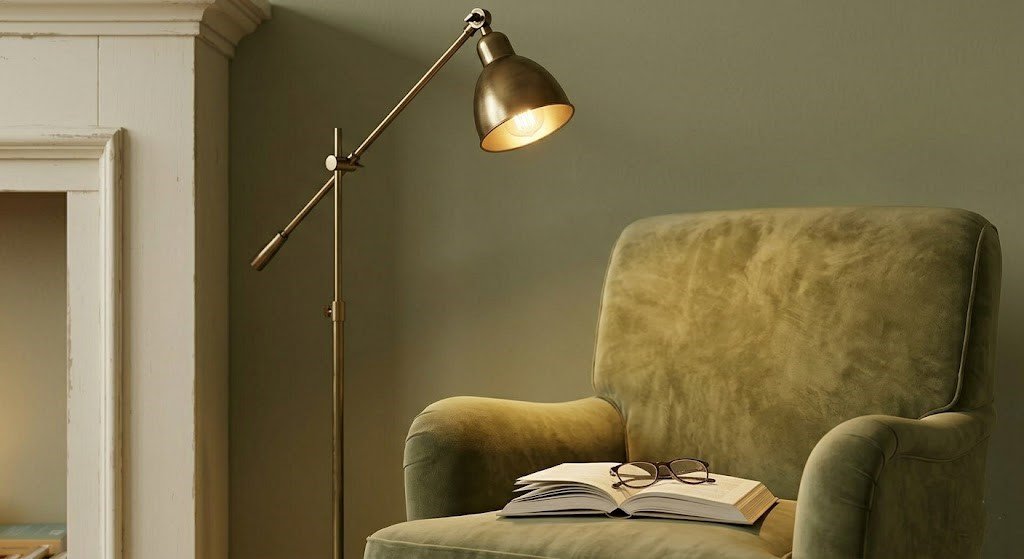
Good light is what separates a nook you use from a nook you photograph. Your light source should sit behind or beside your shoulder, aimed at the page, bright enough to read small print without strain. Adjustable swing arm lamps, clip lights on a headboard or shelf, and dimmable floor lamps all work because you can aim them as the chair and the season change. Warm white bulbs around 2700 to 3000 kelvin keep the mood soft. Test the setup at the time of day you actually read. A nook that glows beautifully at noon can be a squinting cave by nine at night.
11. The Hybrid Huddle: The Ultimate Integrated Nook
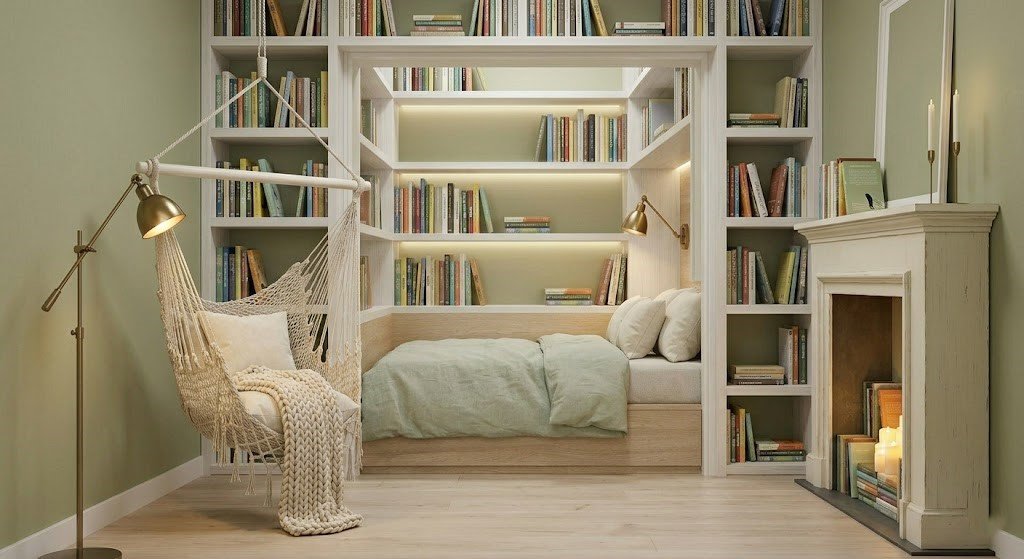
The best nooks borrow from all the ideas above. A corner chair, a shelf within arm’s reach, light you can aim, textiles that mark the boundary and storage for the blanket and the tea. Build yours in layers over time rather than in one shopping trip. Start with seat and light, add storage when you know what you actually keep beside you, and finish with the soft pieces. Keep one rule as you combine. Everything in the nook should earn its footprint, because in a small space the difference between cozy and cluttered is about three unnecessary objects.
Conclusion
A great reading nook is not measured in square feet. It is measured in how often you choose it over the sofa, the bed and your phone. Pick the overlooked spot your home is already offering, give it a seat you love, aim a good light at it and mark its edges with color or texture. That is the whole recipe. Start with the corner, closet or window you walked past while reading this list, and spend one hour claiming it. Your future self, book in hand, will thank you every single evening.
Frequently Asked Questions
How much space do I really need for a reading nook?
About the footprint of one armchair, roughly a meter square, is enough for a working nook. If you can sit down, put a light beside you and rest a book somewhere, the space qualifies, whether it is a corner, a landing or half a closet.
What is the single most important piece of a reading nook?
Lighting. A comfortable chair matters, but poor light will quietly drive you back to the sofa within a week. Choose an adjustable lamp you can aim at the page, with a warm bulb, and test it at the hour you normally read.
Can I make a reading nook in a rental?
Yes. Freestanding chairs, floor lamps, rugs, textiles and a bookcase used as a divider create a complete nook without drilling a single hole. Avoid fixed shelving and hammock hooks, and choose a hammock stand instead of ceiling fixings.
How do I keep a small nook from looking cluttered?
Give every item a job and cap the extras. One seat, one light, one small storage piece and soft textiles are the formula. Keep only the current book and one or two in waiting inside the nook, and shelve the rest elsewhere.