Entryway Decor Ideas for Instant Style
Your entryway is the first ten seconds of your home, and it works harder than any other corner. It has to greet guests, catch coats and keys, and set the tone for every room beyond it. The good news is that instant style here does not come from size or spending. It comes from a clear plan.
This entryway is built on one strong idea, high contrast soft black against warm raw terracotta, layered with woven texture and warm light. Work through the steps in order and you will have a front hall that feels designed, welcoming and completely practical.
1. Defining the High-Contrast Blueprint
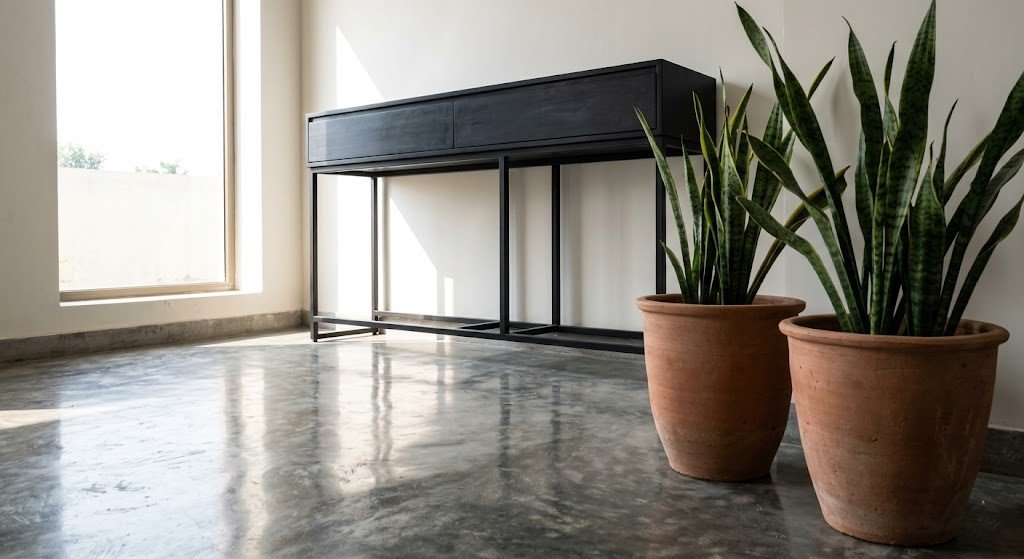
Every strong entryway starts with a simple blueprint, and contrast is the fastest way to create one. Choose one dark anchor, such as a soft black door, console or wall panel, then set warm, earthy terracotta against it and let cream or warm white fill the gaps. This three color plan gives the eye a clear story the moment the door opens. Sketch the layout before you buy anything. Note where people will stand, where shoes land and where a bag gets dropped, then place your dark anchor where it will be seen first, usually the wall facing the door.
2. Dynamic Contrast: Matte Soft Black and Internal Glow
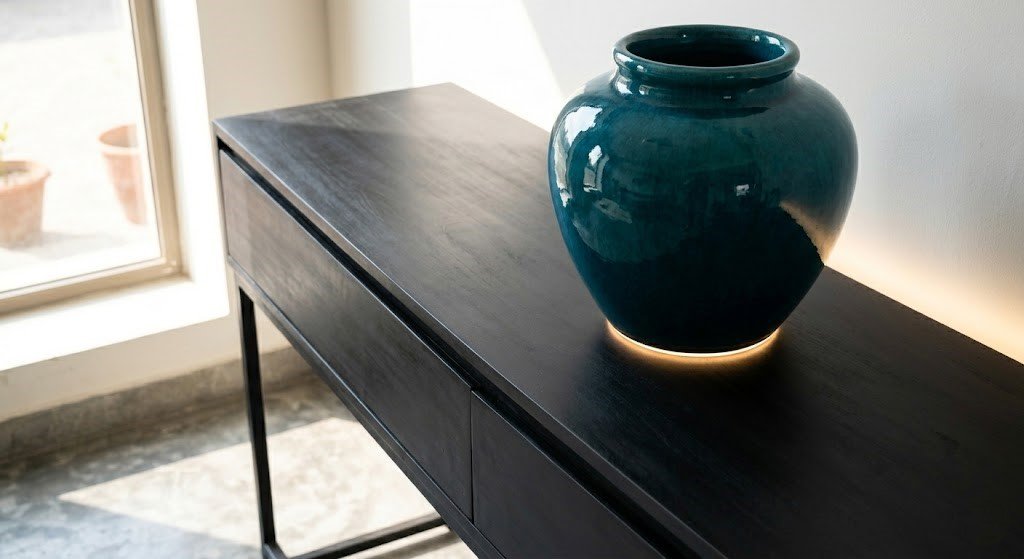
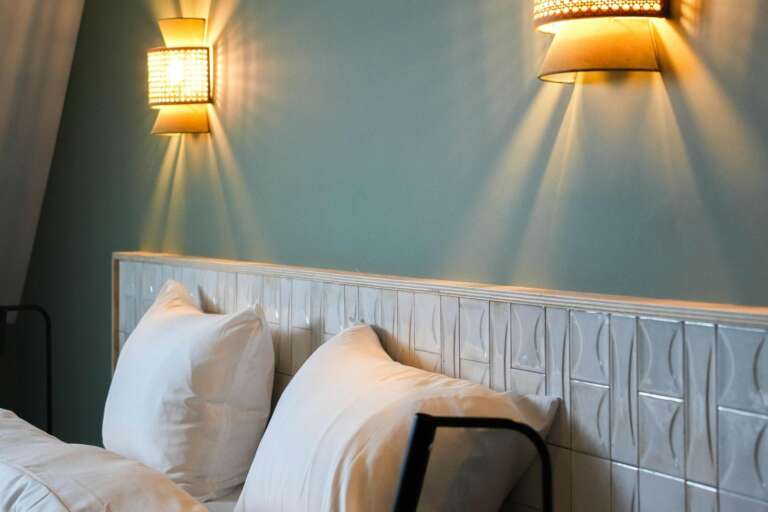
Matte black is powerful in an entryway because it absorbs glare and makes everything near it look richer. Paint the inside of the front door, a slim console or a board and batten half wall in a flat soft black, then warm it with light. A small lamp with a fabric shade, a candle style sconce or warm LED bulbs in the 2700K range stop the black from feeling cold. This glow matters most at night, when guests actually arrive. Keep metal accents in brass or warm bronze so the whole corner feels lit from within rather than painted dark.
3. Grounding the Scene: Raw Terracotta and Traditional Weaves
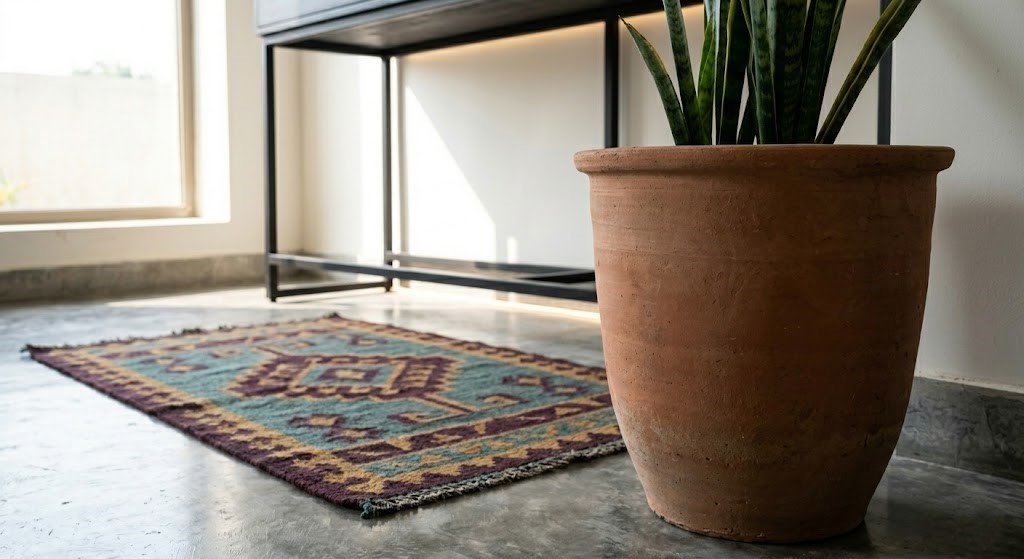
Contrast needs grounding, and that job belongs to the floor. A traditional woven runner in rust, clay and cream tones softens hard flooring, catches dirt before it travels through the house and pulls the terracotta half of the palette down to ground level. Add one or two unglazed clay pots by the door for umbrellas, canes or a tall branch. Choose a runner with a low pile so the door clears it easily, and use a non slip pad underneath. Natural, slightly imperfect materials keep a bold black scheme feeling human and welcoming instead of stark.
4. Textural Wall Art: Curated Terracotta Plates
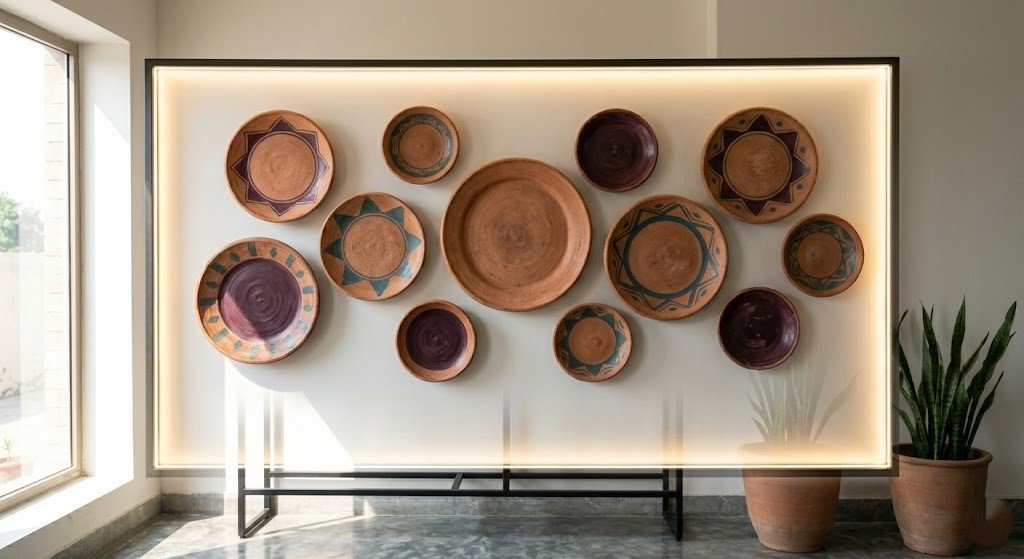
A plate wall is the entryway version of a gallery wall, with more texture and less glass glare. Collect terracotta plates, shallow bowls and woven chargers in a few sizes, then arrange them low on the floor first, photograph the layout, and hang the largest piece slightly off center before filling around it. Mix matte clay with one or two glazed pieces so light moves across the group. Plate hangers and adhesive discs are inexpensive and renter friendly. Keep the arrangement inside an invisible rectangle above your console so it reads as one artwork, not scattered decoration.
5. Architectural Synergy: Merging Decor, Texture, and Light
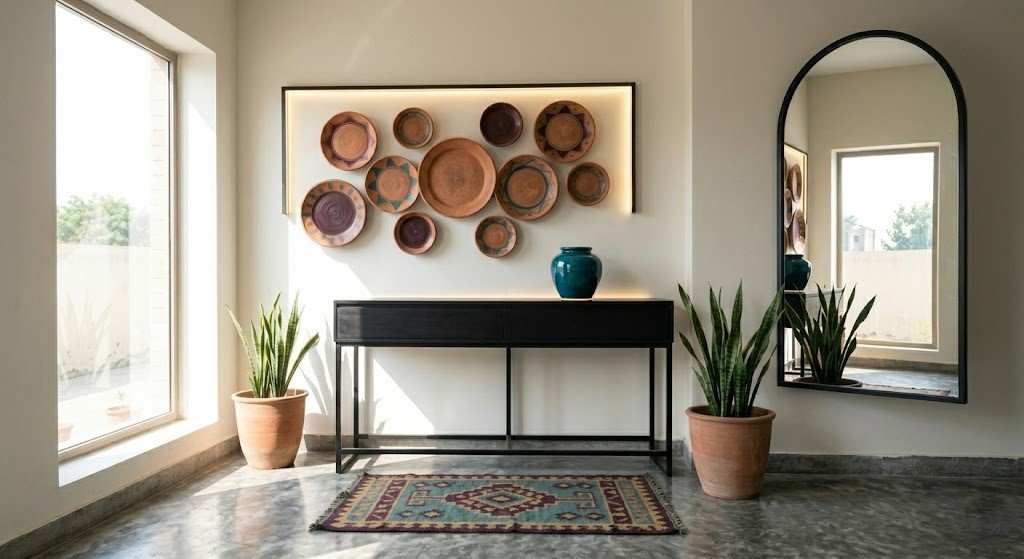
This is the step where separate pieces start behaving like architecture. A round or arched mirror above the console bounces light, gives guests a last check before leaving and echoes the curves of your plate wall. Line the sight path up. Mirror, plates, lamp glow and runner should all sit on one visual axis from the doorway. If your entry has a plain wall, a simple picture frame molding kit or a painted arch behind the console creates the same built in feeling for very little money. When decor follows the lines of the room, even a small hall feels intentional.
6. Curated Texture Studies: Linear Light Over Clay
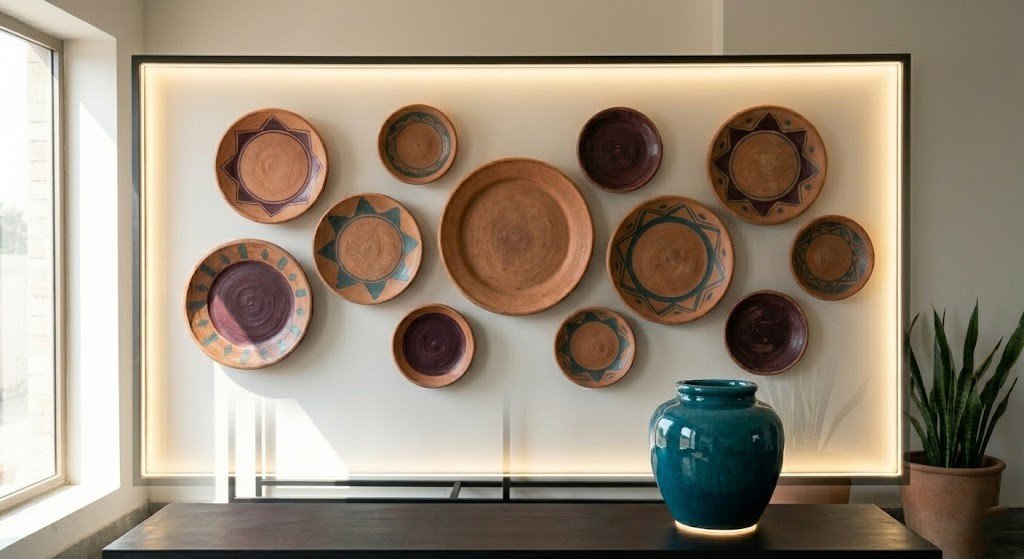
Clay and woven textures look flat under a single ceiling light, and they look wonderful under light that grazes across them. A slim picture light, a rechargeable LED bar or a directional sconce mounted above your plate wall throws gentle shadows into every ridge and weave. This is the same trick museums use, and battery powered versions mean no wiring and no electrician. Aim the light downward at a shallow angle and test it at dusk, when the effect is strongest. One well placed light bar can make inexpensive handmade pieces look like a collected art installation.
7. Tactile Layering: Draping Textiles on Raw Clay
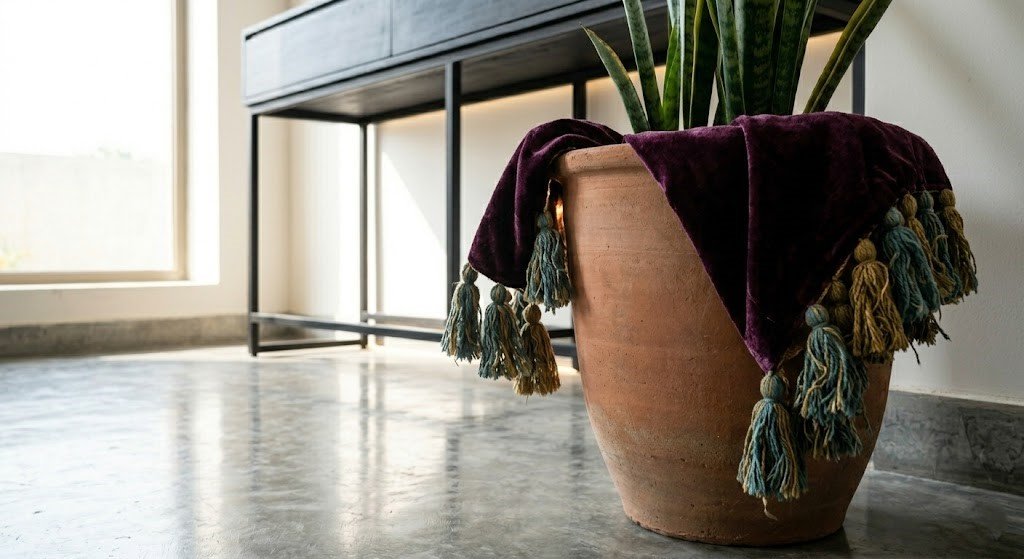
Hard surfaces dominate most entryways, so softness has to be added on purpose. Drape a fringed throw over the bench, fold a striped textile across the console, or hang a woven scarf beside the door. Textiles against raw clay create the touchable contrast that makes people slow down instead of just passing through. Keep the palette inside your blueprint, cream, rust and black patterns all work, and choose washable fabrics because entryways collect weather and dust. Rotate textiles seasonally. A light cotton weave for summer and a heavier wool look throw for winter keeps the same corner feeling current twice a year.
8. Defining the Synthesis: The Complete Zoned Entryway
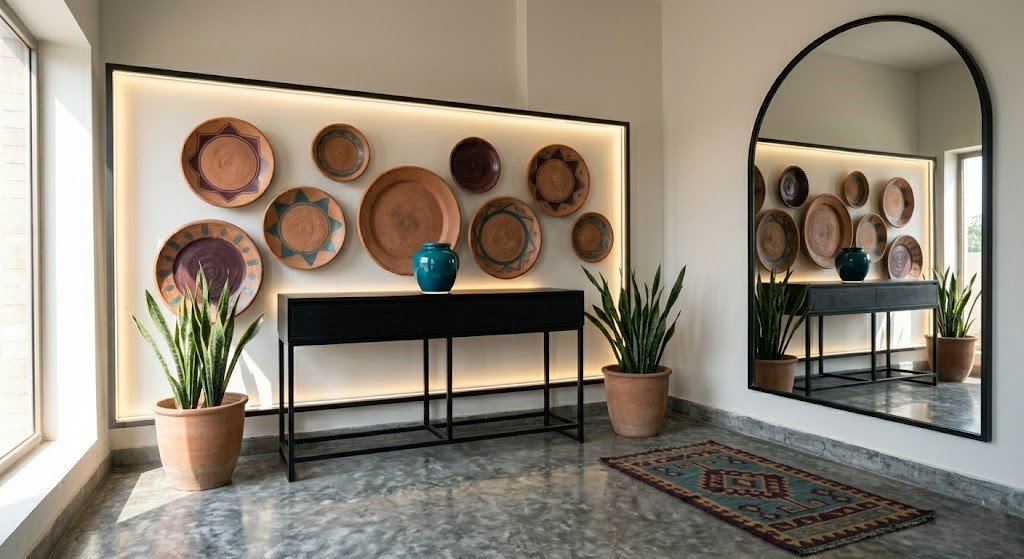
Now pull the look into zones, because style that ignores function falls apart in a week. Zone one is the drop zone, a tray or shallow bowl on the console for keys and mail. Zone two is seating, a bench or sturdy stool for putting on shoes, with baskets underneath for footwear. Zone three is storage, hooks at two heights so coats, bags and kids gear each have a home. Style lives inside the zones, not instead of them. When every object has an assigned place, the terracotta, black and woven story stays visible instead of disappearing under clutter.
9. Mastering Contrast: Twilight’s Deep Shadows
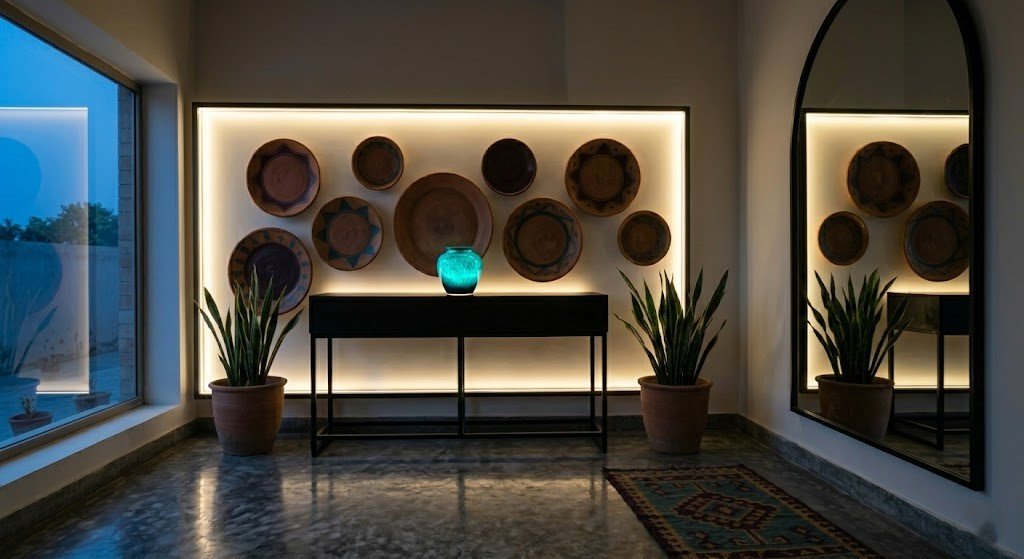
Test your entryway at twilight, because that is when it will be judged most often. Deep shadows are not the enemy here. They are what make the warm pool of lamplight around the console feel welcoming, like a lit doorway in the evening. Build three levels of light, an overhead on a dimmer or a warm bulb, the console lamp, and one small glow low down, such as a candle or a plug in night light near the bench. If the black wall vanishes completely, raise the lamp shade or add the picture light from step six. Contrast should feel moody, never murky.
10. Vertical Texture: Hanging Hand-Knotted Textiles
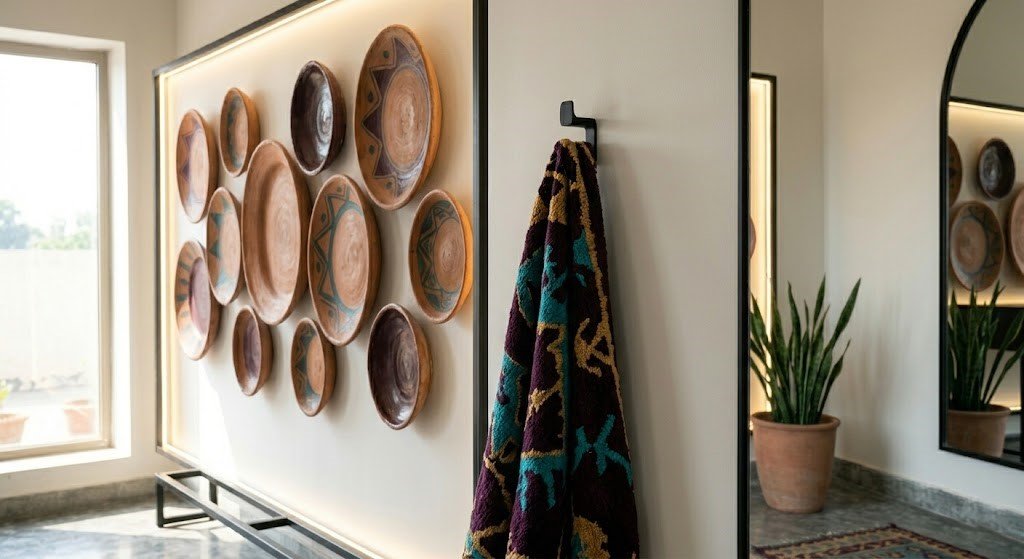
When floor space is gone, the wall still has room. A hand knotted hanging, a woven tapestry or even a beautiful rug mounted on a wooden dowel adds height, color and softness without taking a single inch of floor. Hang it where a mirror will not fit, beside the door or above the bench, and let the fringe end well above head height when people sit down. Secure the dowel on two hooks so it hangs flat. This is also the cheapest large scale art most homes can get, since a textile covers more wall per dollar than framed prints.
11. Architectural Synthesis: The Intensified Zoned Entryway
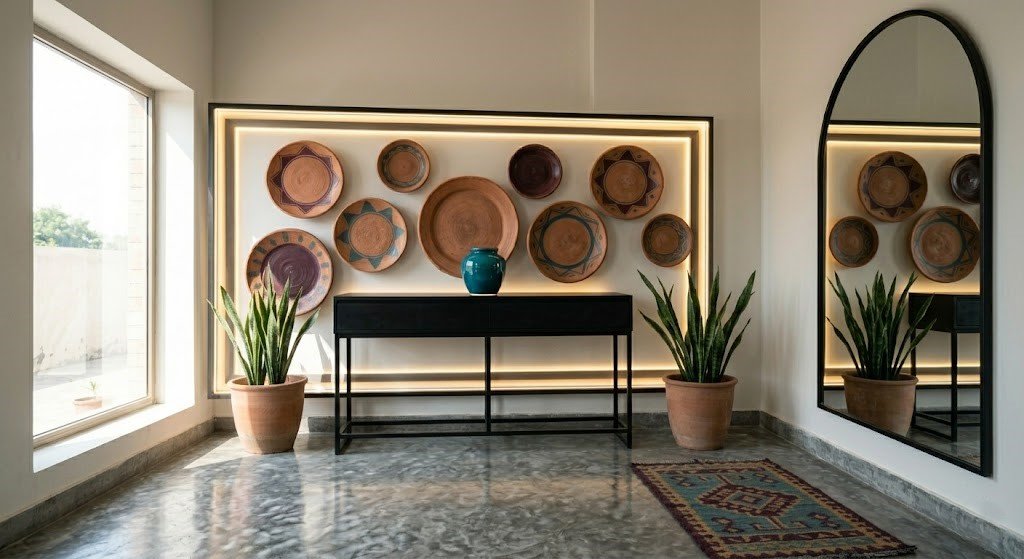
The final step is an edit, not a shopping trip. Stand in the doorway and look at the whole scene. Intensify what works by repeating it once more, a second small clay pot echoing the first, the runner pattern picked up in one cushion. Then remove one thing. Entryways almost always end up one object too full, and the piece you take away is what makes the rest look deliberate. Check the zones still work with your hands full of bags, because that is the real test. What remains is a complete entryway where contrast, texture, light and storage all support each other.
Conclusion
Instant entryway style is not about a bigger hall or a bigger budget. It is about one clear contrast story, black against terracotta, told through a runner, a plate wall, layered textiles and warm, low light, then protected by simple zones for keys, coats and shoes. Build the blueprint first, add glow and texture in layers, and finish with an honest edit. Your front hall will greet guests beautifully and still work on the busiest Monday morning, which is the whole point.
Frequently Asked Questions
What colors make an entryway look stylish fast?
A high contrast pairing works fastest because the eye reads it instantly. Soft black with warm terracotta and cream is one reliable combination, and navy with brass or deep green with natural wood follow the same rule of one dark, one warm, one light.
How do I style an entryway with no natural light?
Layer warm artificial light instead. A console lamp, a picture light over wall decor and one low glow near the floor replace the sun in stages, and a mirror above the console spreads that light further into the hall.
What furniture does a small entryway actually need?
Three pieces cover almost every need, a slim console or shelf for keys, a bench or stool for shoes, and hooks for coats and bags. If space is very tight, a wall mounted shelf and hooks alone can do the whole job.
How can renters copy this look without painting?
Use the portable version of every idea. A black console or door mat for contrast, adhesive plate hangers, a runner, battery picture lights and draped textiles all deliver the look and all leave with you when you move.