How to Mix Decor Styles Easily
Your favorite pieces probably did not come from one store or one decade. Maybe you love clean modern lines but inherited a carved wooden armoire, or you are drawn to cozy rustic texture while your partner prefers sleek metal and glass.
Mixing decor styles is how real homes are built, and done well, the mix looks intentional rather than accidental. The secret is not matching everything. It is giving different pieces a few shared threads, in color, material, shape or mood, so the eye reads them as one story.
These eleven tips show you how to combine the styles you love into rooms that feel balanced and personal. Start with what you own and edit slowly. None of these ideas asks you to start again or to buy a matching set of anything.
1. The Power of a Unified Concept

Before you move a single chair, give the room one clear concept, a short phrase that describes the feeling you want, such as warm modern farmhouse or relaxed coastal with vintage touches. That one sentence becomes your filter for every decision. When a piece fits the concept, it stays, whatever style label it carries. A helpful balance is the 80/20 rule. Let one style lead at roughly eighty percent, through the big furniture and the wall color, and let the second style appear in accents. The room gets a clear identity, and the contrasting pieces read as deliberate highlights instead of clutter.
2. Embrace Tactile, Varied Textures

Texture is the quiet glue that holds mixed styles together. A sleek modern sofa can feel cold on its own, but add a chunky wool throw, a woven basket and linen cushions and it suddenly sits comfortably beside rustic or vintage pieces. Aim for at least three different textures in every seating area, one smooth, one rough and one soft. Natural materials do most of the work. Wood, rattan, stone, cotton and wool belong to no single style, so they act as neutral ground where different eras can meet. Run your hand across a room as you style it. If everything feels the same, add one contrasting surface.
3. Create Intentional Contrasts with Shapes

Contrast works when it looks planned, and shape is the easiest contrast to control. If your main furniture is straight lined and modern, soften it with one curved piece, a round mirror, an arched lamp or a circular side table. If the room is full of traditional curves, sharpen it with a rectangular rug or a clean lined bench. Repeat each shape at least twice so it feels like a decision, not an accident. A round mirror above a rectangular console, echoed by a round tray on the coffee table, turns a clash into a pattern. Balance the shapes across the room rather than grouping all the curves in one corner.
4. Unite Styles Through a Shared Color Palette

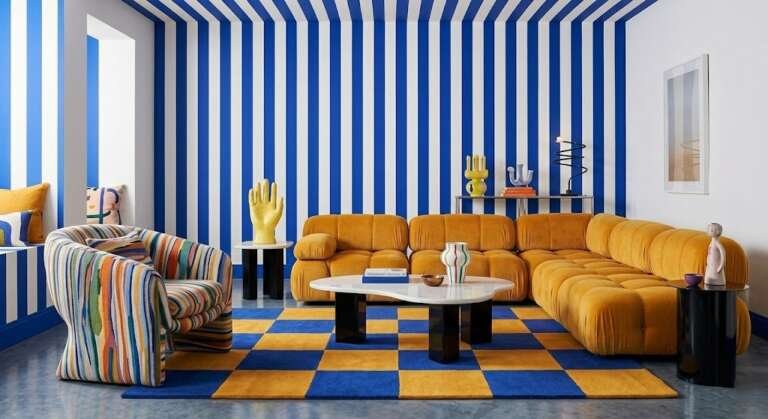
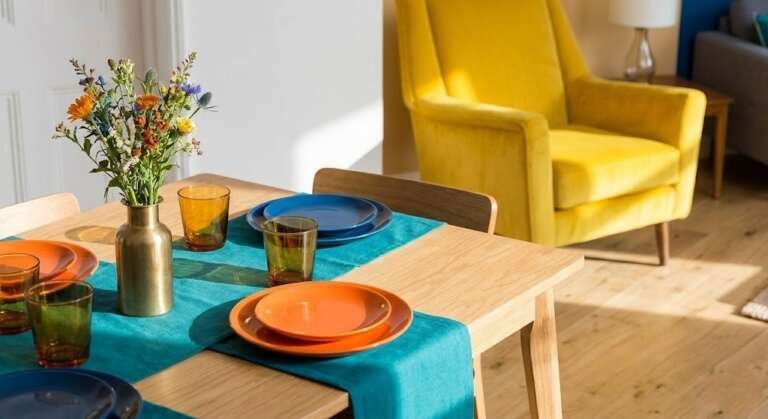
Color is the fastest way to make unrelated pieces feel like family. Choose a simple palette of three to five colors and repeat those colors in every style you bring in. A Victorian chair reupholstered in your palette’s main fabric stops looking like a stray antique and starts looking chosen. Keep the biggest surfaces, walls, sofa and rug, in the calmest shades, then let smaller pieces carry the stronger colors. When something feels out of place, check its color before you blame its style. Often a cushion cover, a coat of paint or a different throw in the right shade is all it takes to pull a piece into the scheme.
5. Juxtapose Art and Frames

Art is where mixing styles feels most natural, because nobody expects every picture to match. Hang a modern abstract print beside a vintage landscape, but give them a shared thread, the same frame color, the same mat width or a similar size. Mixing frame finishes works too when you keep the arrangement tidy. Ornate gold and slim black frames look deliberate on a neat grid, and scattered on a loose, relaxed gallery layout. Start any gallery wall on the floor, arrange and rearrange until the balance feels right, then hang the largest piece first and build outward. One oversized piece can anchor several smaller ones from completely different eras.
6. Curate Opposing Lighting Styles

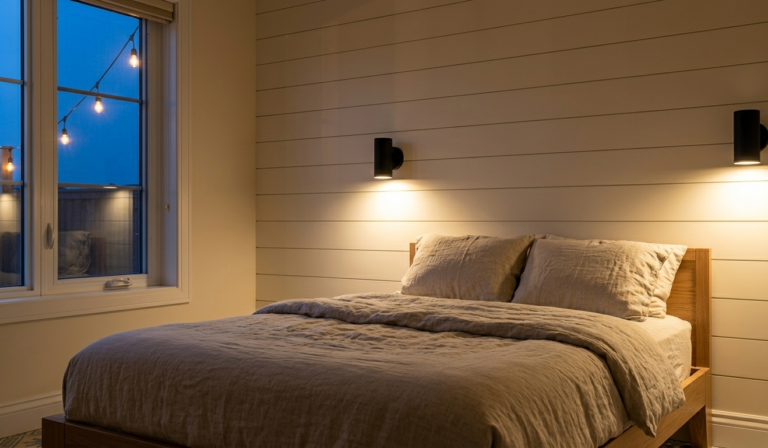
Lighting lets you mix styles in a way guests feel before they notice. Pair a modern arc floor lamp with a classic table lamp on the sideboard, or hang a sleek pendant above a farmhouse table. The styles can differ because the light itself ties them together, as long as every bulb shares the same warm color temperature. Plan three layers in each room, overhead light for general use, task light for reading and working, and soft accent light for mood. Keep fixture finishes within two metal families so the mix reads as curated. A dimmer on the main light is the cheapest upgrade of all.
7. Blend Planters and Greenery

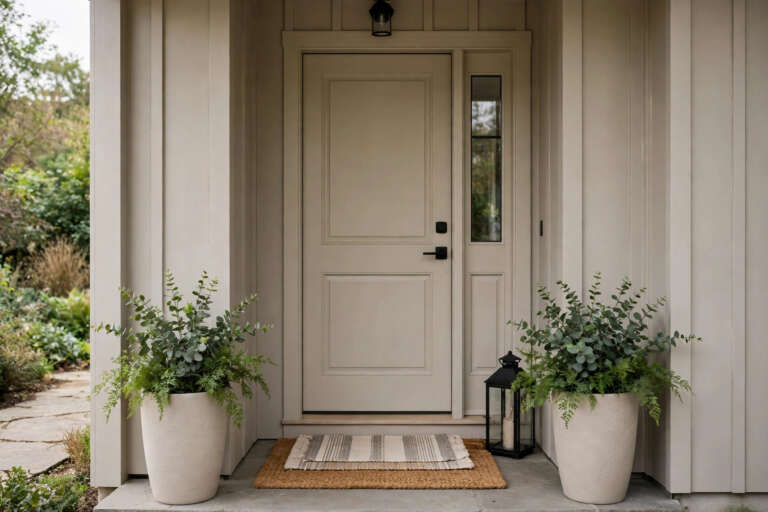
Plants forgive almost any style mix, because green goes with everything. Use them to soften the joins between styles. A trailing pothos on a modern shelf, a tall olive tree beside a traditional armchair and a row of herbs on a farmhouse windowsill all speak the same language. Mix the planters freely, terracotta, glazed ceramic, woven baskets and simple metal pots, but repeat each material at least twice in the room so it looks collected rather than random. Group plants in threes at different heights to make the greenery feel like one arrangement. If real plants are a struggle, one good quality faux stem in a beautiful pot still does the softening work.
8. Master Integrated, Layered Styling

Layering is what turns a collection of pieces into a styled room. Work in three layers on shelves, tables and consoles. Start with the tall anchors, lamps, vases and framed art. Add the middle layer of books, boxes and bowls. Finish with small personal pieces, a candle, a photo, a found object. Mix styles inside each group rather than keeping modern on one shelf and vintage on another. A stack of design books topped with an antique brass object is exactly the kind of small mix that makes a room feel personal. Leave a little empty space in every arrangement. Layers need breathing room, or the eye reads clutter instead of style.
9. Contrast Polished Brass and Raw Concrete

Some of the strongest mixes are material opposites. Polished brass is warm, formal and reflective. Raw concrete is cool, industrial and matte. Together they sharpen each other, and the pairing works in kitchens, bathrooms and living rooms alike. Keep the concrete in the larger, quieter pieces, a side table, a planter, a bench, and let brass appear in the details you touch, handles, lamps, taps and frames. Repeat each material at least twice in the room. Warm light bulbs flatter both finishes, and a little wood or fabric nearby stops the combination feeling hard. This is a good first contrast to try because both materials are easy to find at every budget.
10. Frame Architecture with Contrasting Seats

Seating is where a room’s architecture and its furniture meet, so it is a natural place to mix. You do not need a matched pair of chairs. Two different chairs can frame a fireplace, a window or a coffee table beautifully if they share a similar height and visual weight. Put a modern armchair opposite a vintage one, and tie them together with cushions in the same fabric or a shared throw. The symmetry of the placement makes the difference in style look like a choice. Keep the rug and coffee table neutral so they act as common ground between the two seats.
11. Unify the Final Scene

The last step is editing. Stand in the doorway and look at the whole room at once. Mixed styles fail when every piece is shouting, so check for balance. Is one corner all modern and the other all vintage? Swap two pieces. Does one color appear only once? Repeat it somewhere else or take it out. A unifying layer helps too, the same curtain fabric, matching lamp shades or a repeated wood tone across the room. Then live with it for a week. Rooms that mix styles well are finished slowly, changed in small passes, not in one shopping trip. Take a photo. The camera shows imbalances your eye skips over.
Conclusion
Mixing decor styles easily comes down to threads and balance. Give the room one concept, repeat a small palette of colors, vary the textures, and let each style appear more than once so nothing looks lost. You do not need to choose between the modern sofa and the inherited armoire, and you do not need to buy a matching set of anything. The homes people love most are the ones that show more than one chapter of a life. Start with one room, apply the 80/20 rule, and let the mix grow at its own pace.
Keep going with these japandi home decor ideas, they pick up right where this leaves off.
Frequently Asked Questions
What is the easiest style mix for a beginner?
Start with modern plus one warm style, such as modern farmhouse or modern vintage. Modern pieces give you a calm base of clean lines and neutral colors, and the second style only has to supply texture and a few character pieces. That split keeps the room coherent while you learn what you like.
How many styles can I mix in one room?
Two main styles plus small echoes of a third is the comfortable limit for most rooms. More than that and the eye stops finding the pattern, which is when a room starts to feel like storage rather than design. If you love many styles, let different rooms lead with different combinations instead.
Do metals have to match when I mix styles?
No, but keep them to two finishes in one room and repeat each finish at least twice. Brass lamps with black handles work when the pairing appears in more than one place. A single lonely finish in one corner is what looks accidental.
What if a mixed room still feels wrong?
Check color first, then scale, then placement. Most failed mixes are one repeated color away from working, or have all the tall, dark or patterned pieces gathered on one side. Photograph the room, swap two pieces, and look again before you buy anything new.