Small Space Decor Hacks That Work
Living in a compact home doesn’t mean you have to compromise on style or comfort. With the right small space decorating strategy, even the tightest studio can feel open and inviting. The secret lies in “home grooming”—the art of selecting pieces that serve multiple purposes while maintaining a cohesive aesthetic. By prioritizing high-definition visual appeal and functional layout, you can transform your tiny footprint into a cinematic living experience.
1. Embrace the Power of Vertical Storage
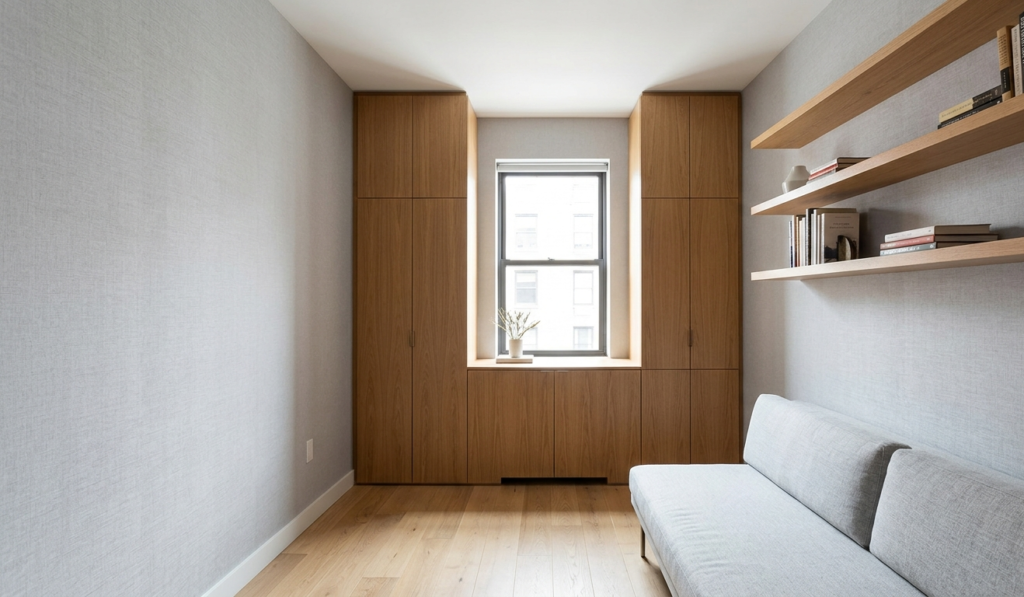
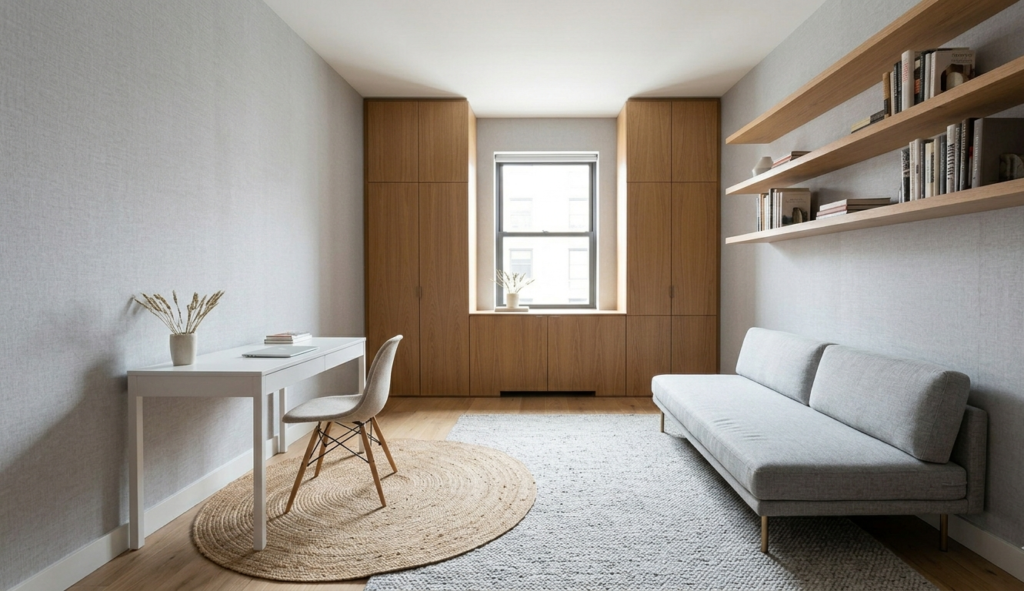
When floor space is limited, look up. Installing floating shelves or floor-to-ceiling cabinetry allows you to store essentials without cluttering walkways. This technique draws the eye upward, creating the illusion of higher ceilings and a more expansive room.
2. Multi-Functional Furniture is Non-Negotiable
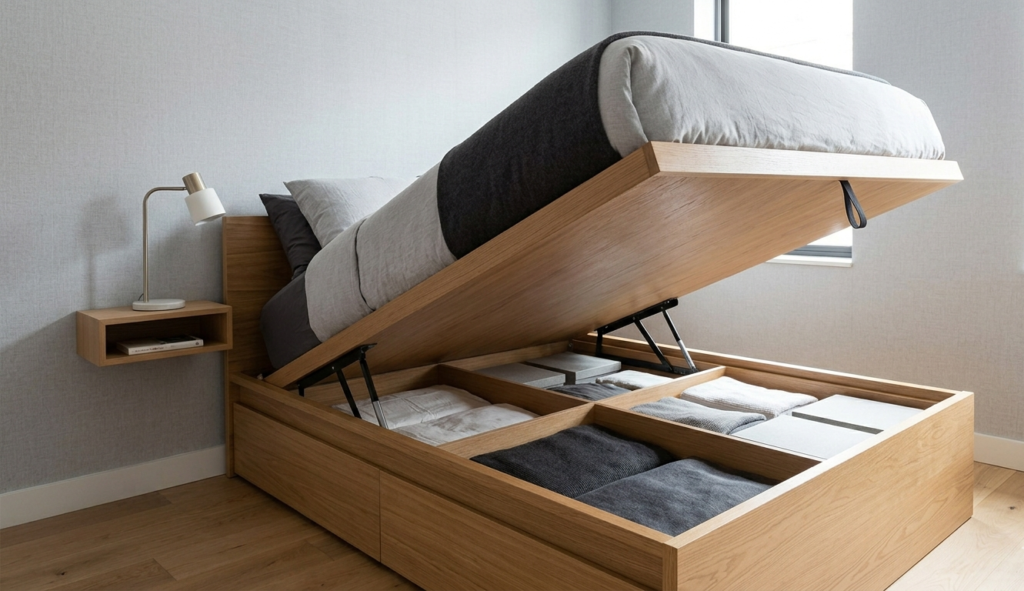
Every piece of furniture in a small home should earn its keep. Look for ottomans with hidden storage, nesting tables, or a bed frame with built-in hydraulic storage. These space-saving ideas ensure that your home remains organized while providing all the utility of a much larger house.
3. Use Mirrors to Double Your Vision
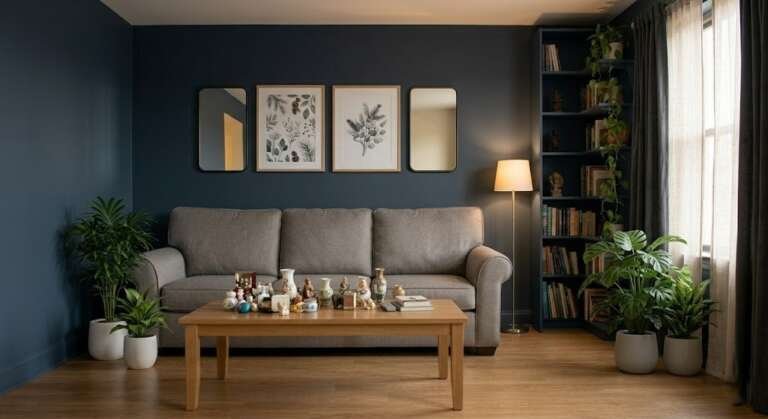
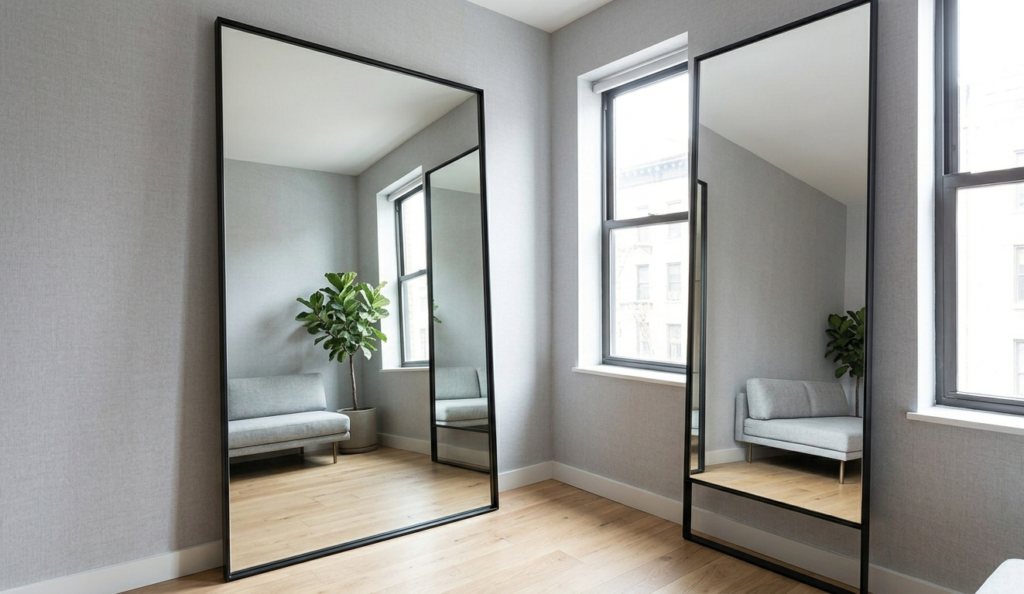
Mirrors are an essential trick for tiny home decor. Placing a large mirror opposite a window reflects natural light and extends the visual depth of the room. This simple addition can make a cramped hallway or a small bedroom feel twice its actual size.
4. Define Zones with Area Rugs
In open-concept small spaces, it can be hard to distinguish the “living room” from the “office.” Use different area rugs to ground each section, acting as “room dividers”. This creates a psychological boundary that organizes the space without the need for bulky walls.
5. Opt for a Light and Neutral Palette
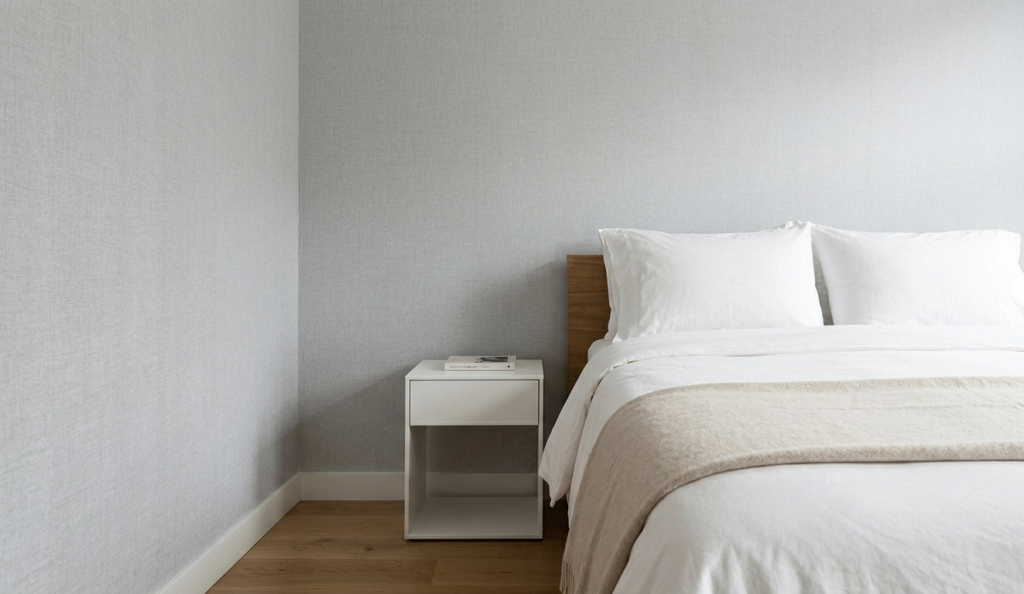
Bright whites, soft greys, and pale earth tones like beige or taupe reflect light better than dark colors. A consistent, light color palette across your walls and large furniture pieces prevents the space from feeling “closed in,” providing a clean and expansive canvas.
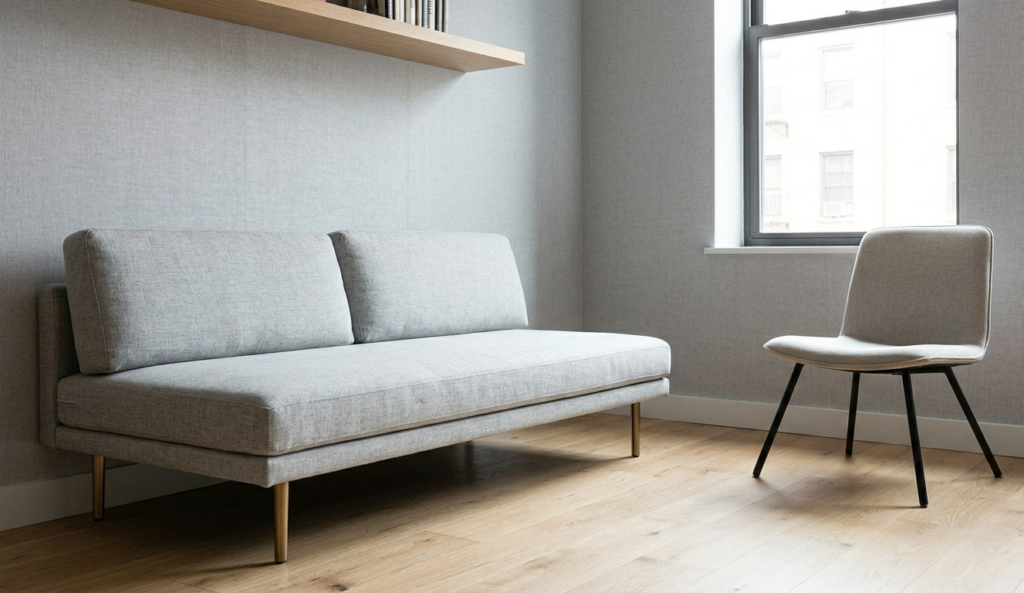
6. The “Leggy” Furniture Rule
Furniture that sits low to the ground can feel heavy in a tight room. Instead, choose sofas, chairs, and credenzas with tapered or splayed legs. Seeing the floor continue underneath the furniture creates a sense of “airiness” and flow.
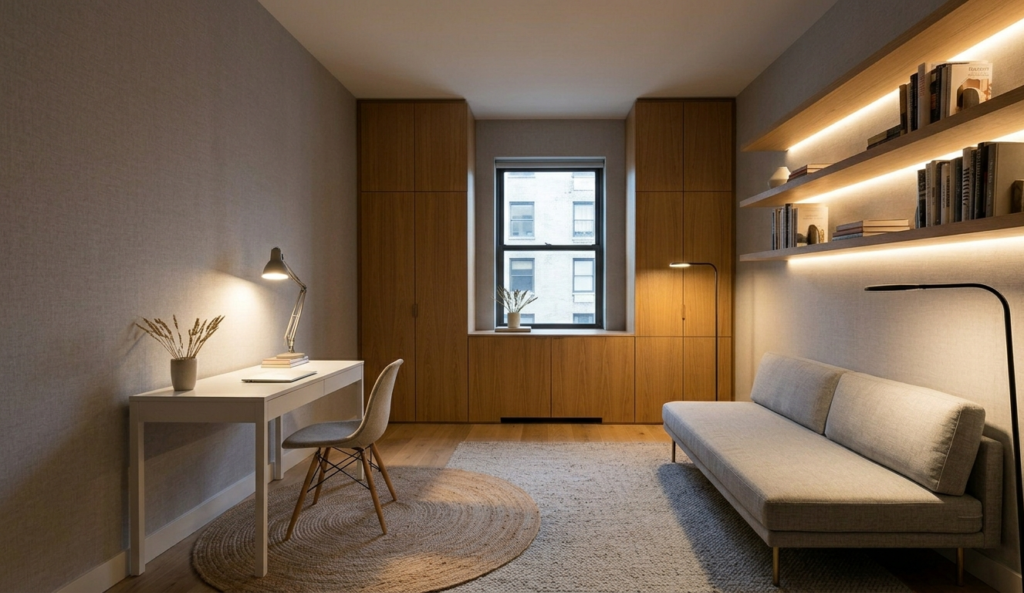
7. Strategic Lighting Layers
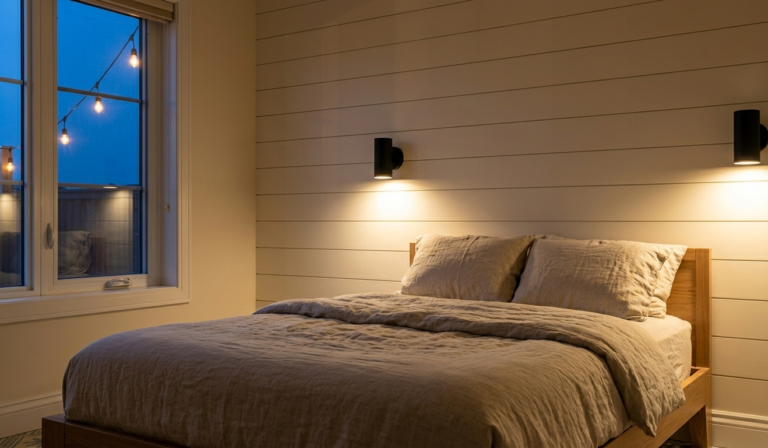
Avoid relying on a single overhead light, which can create harsh shadows. Layer your lighting with floor lamps, task lighting, and wall sconces to control the ambiance. Warm, studio-quality lighting adds depth and a professional finish to your interior design.
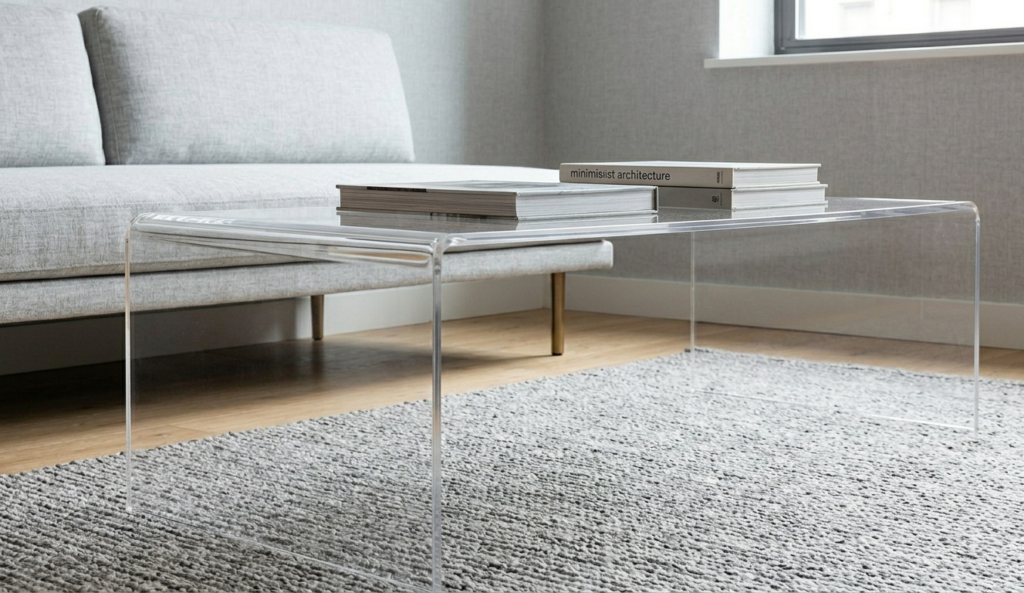
8. Clear the Visual Clutter
Acrylic or glass furniture—like a clear coffee table—is a game-changer for small rooms. Because these pieces are transparent, they provide necessary surface area without adding “visual weight,” making the room feel remarkably unoccupied.
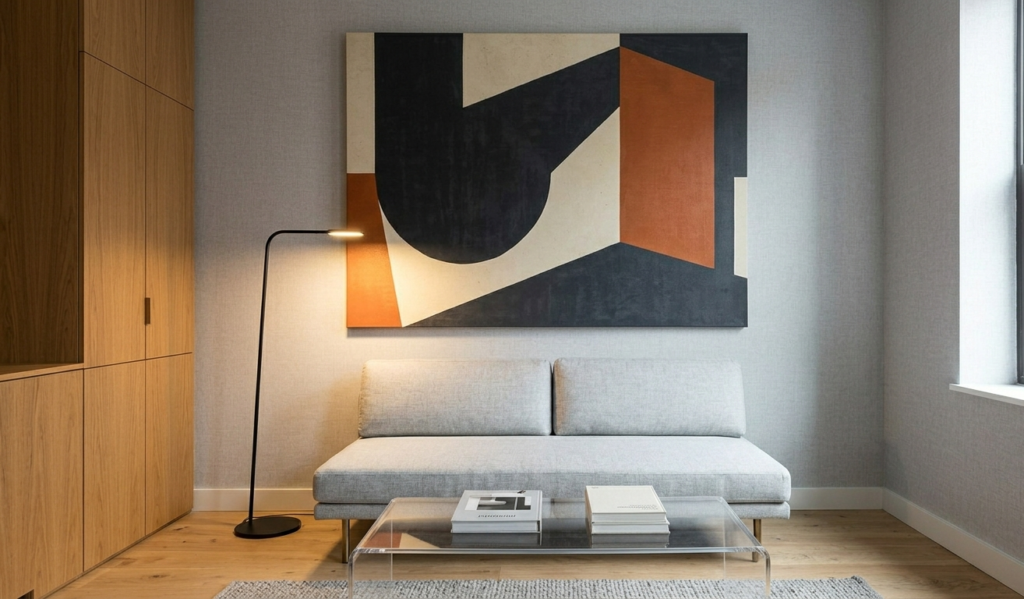
9. Statement Art Over Gallery Walls
While gallery walls are popular, too many small frames can make a tiny wall look busy. Instead, opt for one large, high-definition piece of art to act as a singular focal point. This creates a sense of intentionality and scale without overwhelming the space.
10. Sliding Doors and Pocket Openings
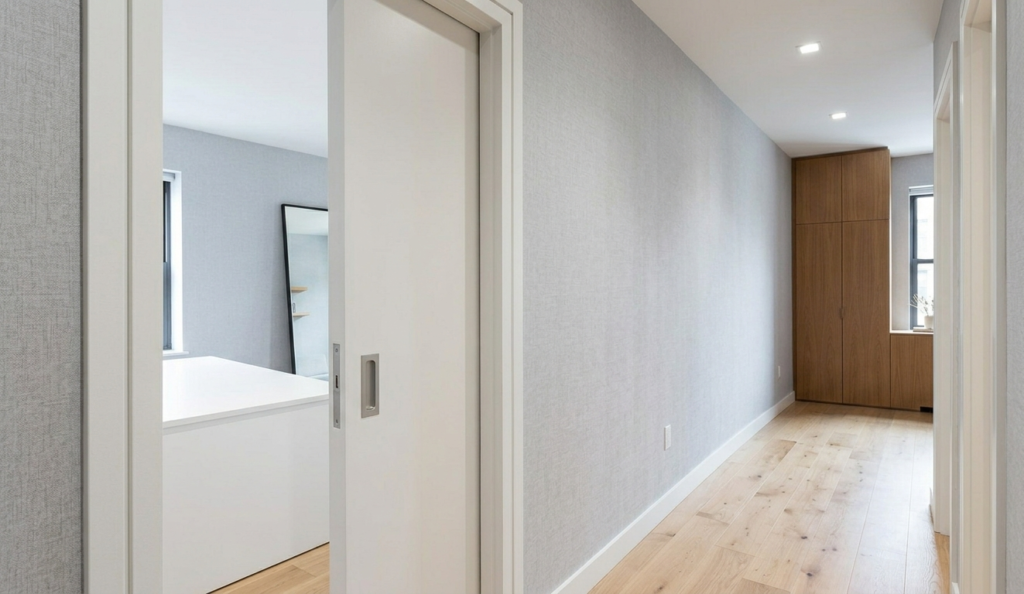
Traditional swinging doors require a significant amount of clearance. Swapping a standard door for a sliding barn door or a pocket door can reclaim usable floor space, perfect for small bathrooms or compact living areas.
11. Bring the Outdoors In
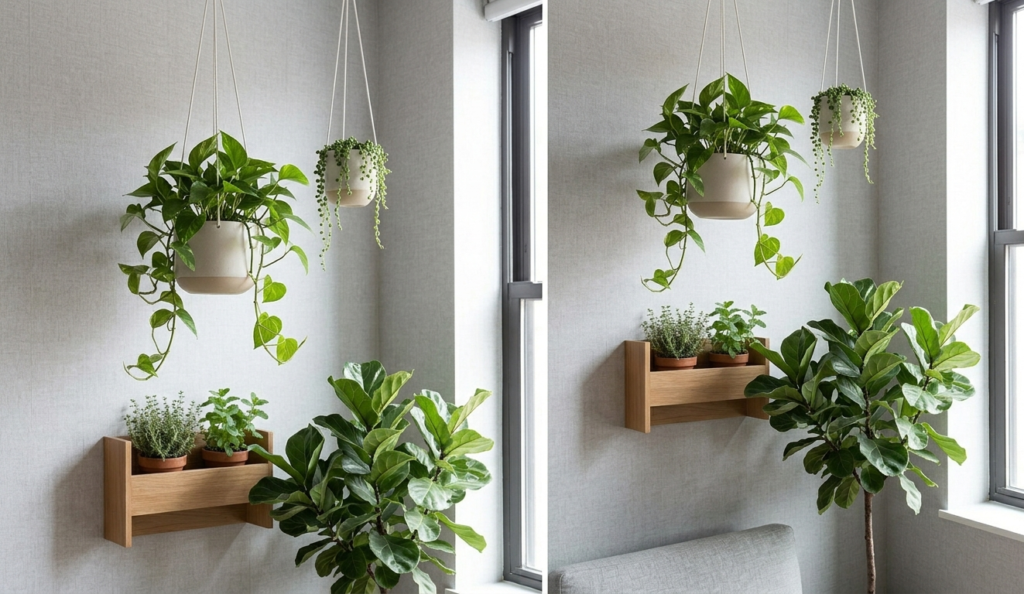
Plants add life and texture to a room without requiring much square footage. Use hanging planters or wall-mounted herb gardens to add greenery without taking up floor space. This connection to nature makes a small space feel fresh and vibrant.