Sustainable Home Decor Tips for Every Room
Transitioning to a greener lifestyle doesn’t mean you have to overhaul your entire house overnight. Sustainable decor is about making intentional choices—selecting materials that last, supporting ethical brands, and repurposing what you already own. By incorporating eco-friendly home ideas into your green home design, you create a space that is healthy for both the planet and your family.
1. Prioritize Natural and Renewable Materials
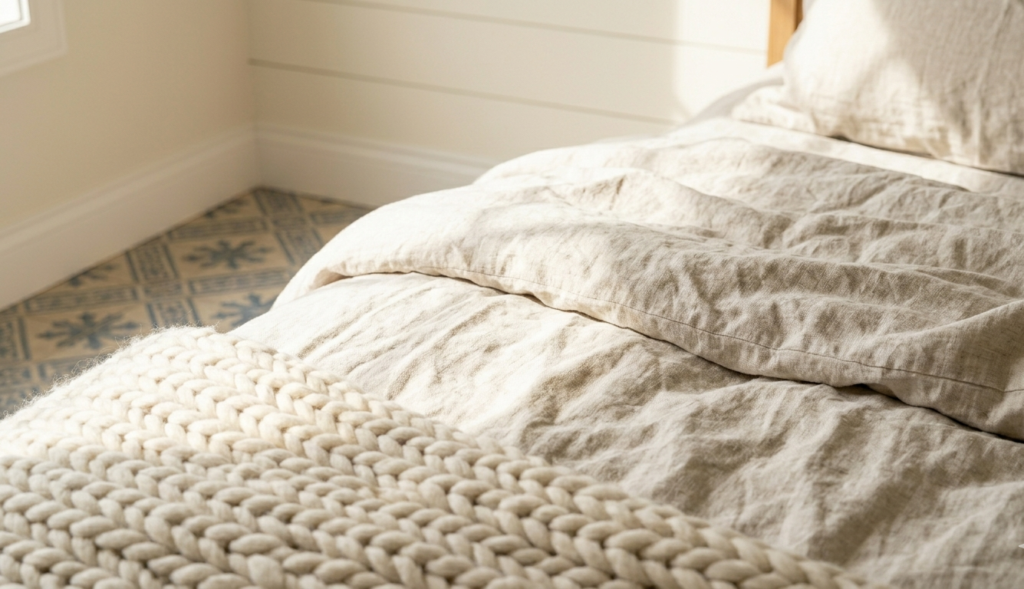
When shopping for new pieces, look for materials that replenish quickly or occur naturally. Bamboo, cork, and organic linen are excellent choices because they require fewer pesticides and less water to produce. These materials add an organic, high-end texture to any room while significantly reducing your environmental footprint.
2. The Art of Upcycling and Second-Hand Finds
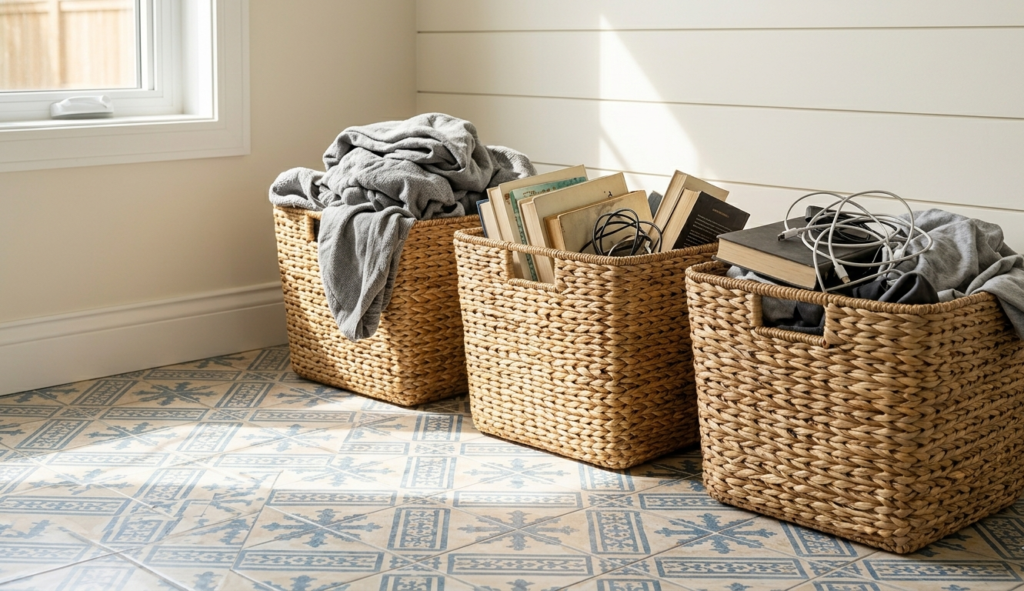
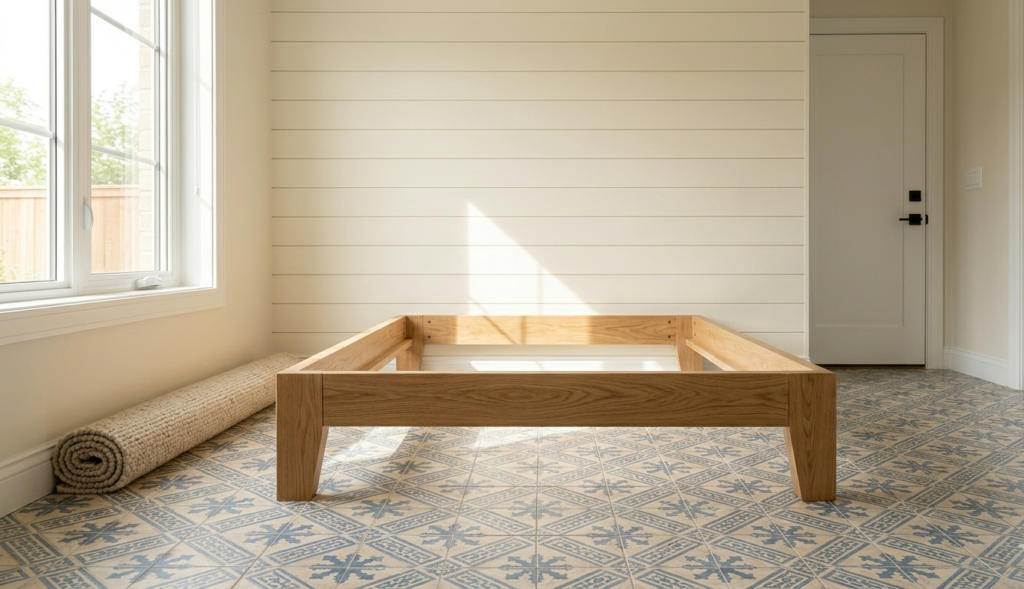
The most sustainable piece of furniture is the one that already exists. Scour local vintage shops or online marketplaces for high-quality wood furniture that just needs a fresh coat of eco-friendly paint. Upcycling keeps waste out of landfills and gives your home a unique, soulful character that big-box stores can’t replicate.
3. Opt for Low-VOC and Non-Toxic Paints
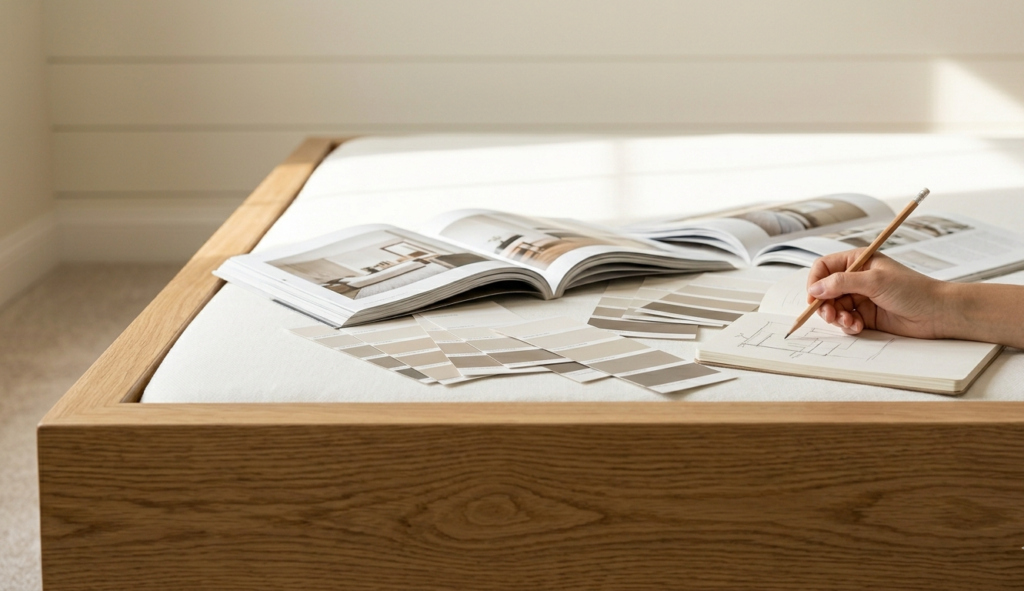
Many traditional paints release Volatile Organic Compounds (VOCs) that can impact indoor air quality for years. For a truly green home design, choose “Zero-VOC” or natural clay-based paints. These options are safer for kids and pets and come in a stunning array of modern, pigment-rich colors.
4. Energy-Efficient Window Treatments
Sustainable decor also includes how you manage energy. Heavy linen curtains or cellular shades help regulate your home’s temperature, keeping it cool in the summer and warm in the winter. This simple addition reduces your reliance on HVAC systems, lowering your energy bills and carbon emissions.
5. Choose Statement Lighting with LED Integration
Lighting sets the mood, but it can also be a major energy drain. Replace old bulbs with high-efficiency LEDs and look for light fixtures made from recycled glass or reclaimed metal. Sustainable lighting design combines modern aesthetics with a commitment to long-term energy savings.
6. Sustainable Flooring: Cork and Reclaimed Wood
If you are renovating, consider flooring that tells a story. Reclaimed hardwood salvaged from old buildings adds incredible warmth and history. Alternatively, cork flooring is harvested from the bark of trees without harming them, making it one of the most resilient and eco-friendly home ideas available.
7. Cultivate an Indoor Air-Purifying Garden
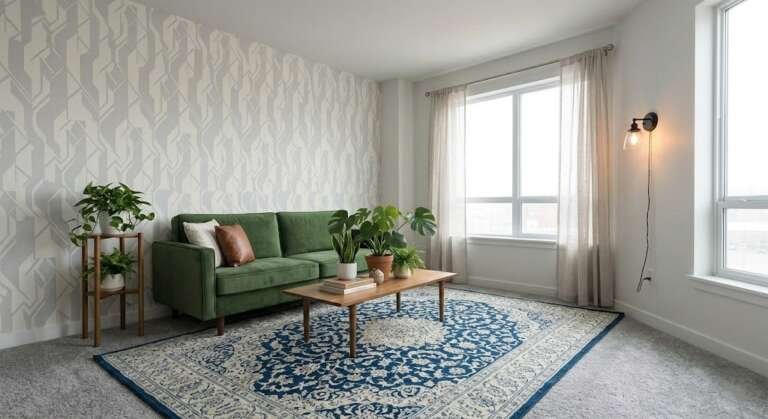
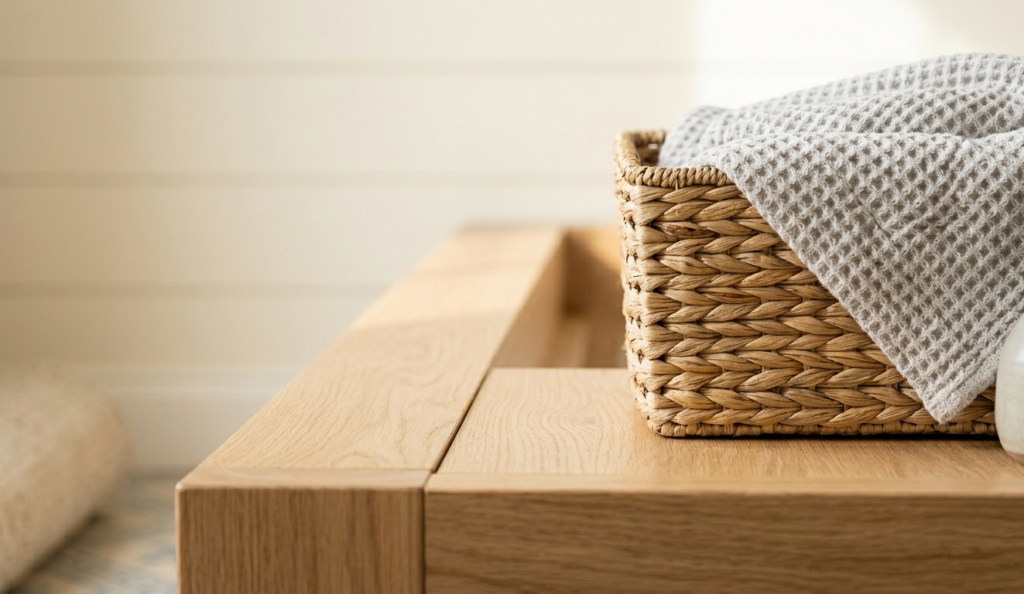
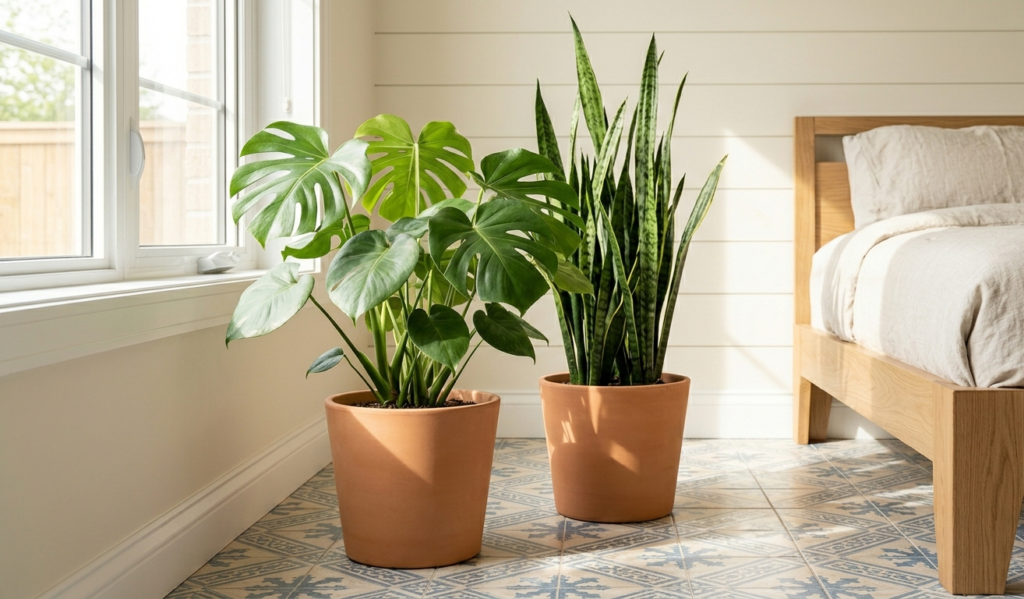
Plants are the ultimate sustainable decor. They naturally filter toxins from the air and boost your mental well-being. Focus on hardy varieties like Snake Plants or Pothos that thrive indoors, and use biodegradable pots made from coconut coir or recycled plastic to keep the theme consistent.
8. Eco-Friendly Textiles: Organic Cotton and Wool
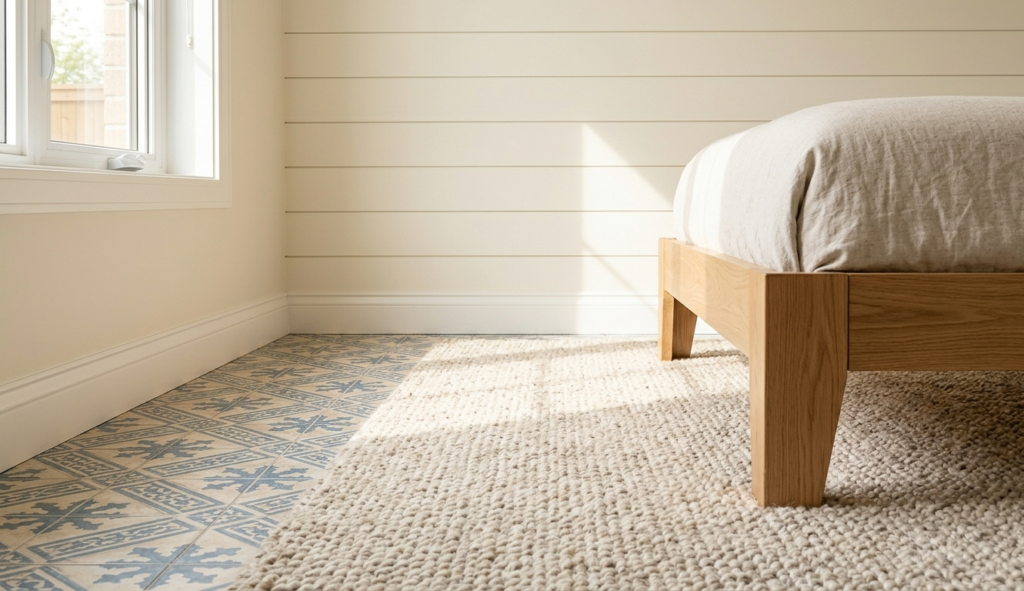
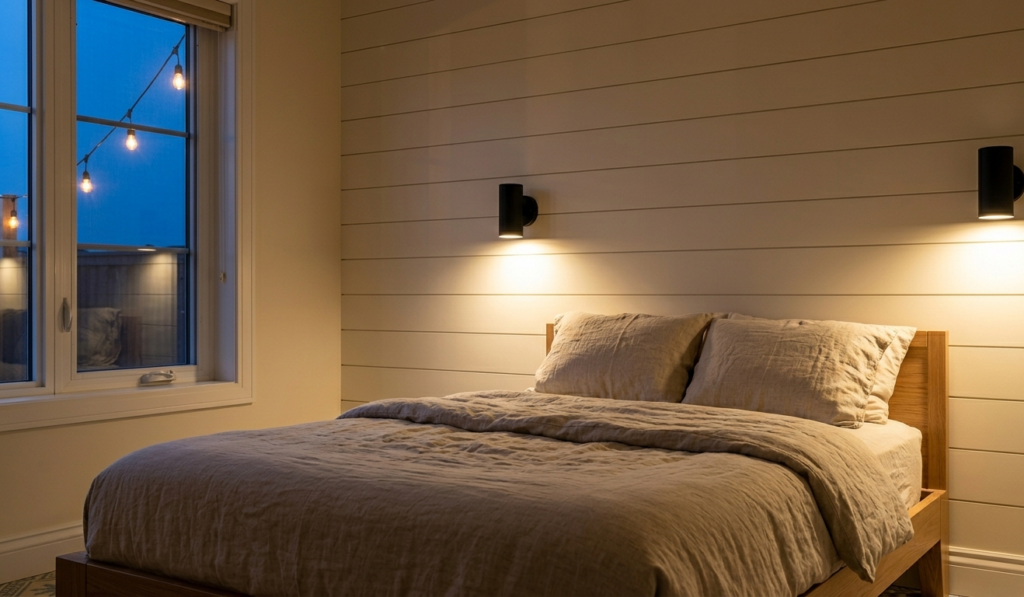
From your bath towels to your living room rugs, textiles play a massive role in home comfort. Swap synthetic polyesters for GOTS-certified organic cotton or ethically sourced wool. These natural fibers are biodegradable, breathable, and far more durable than their plastic-based counterparts.
9. Minimalist Multi-Functional Furniture
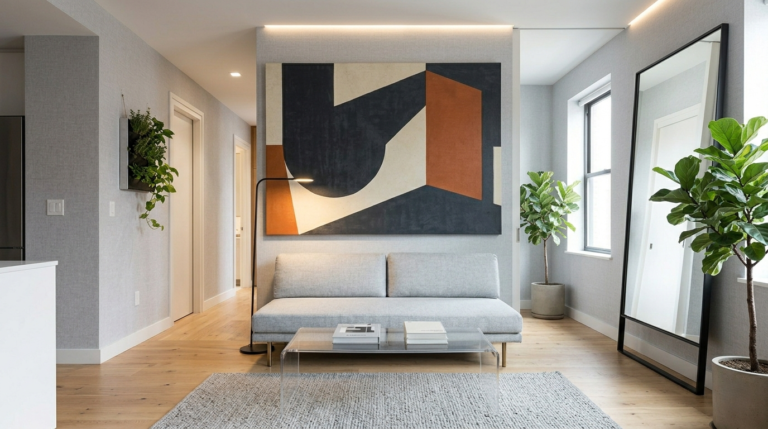
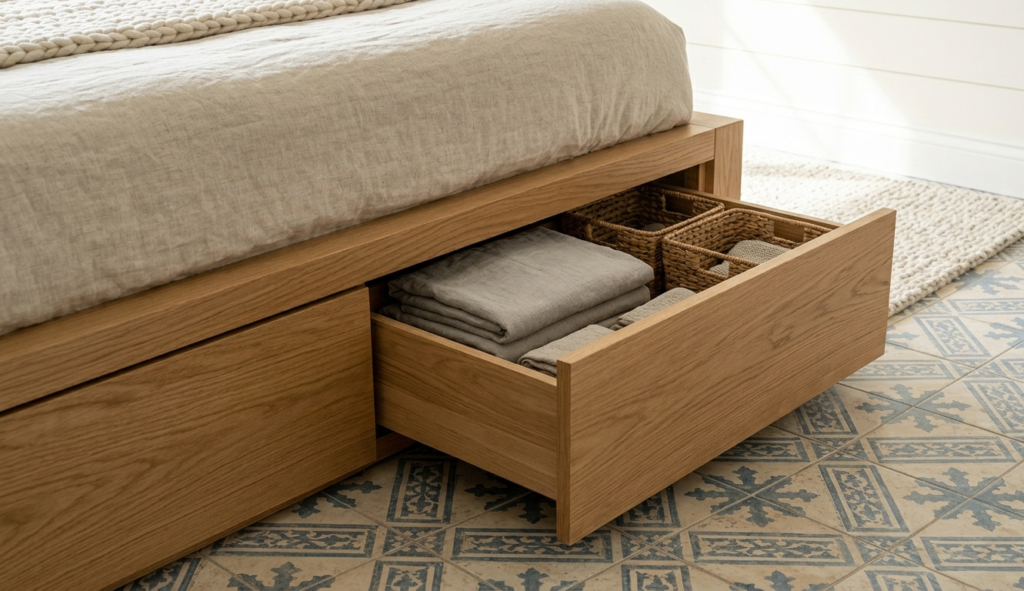
Sustainability often goes hand-in-hand with minimalism. Choose multi-functional pieces—like a coffee table with hidden storage or a sofa bed—to reduce the total number of items you need to buy. Fewer, better-quality items mean less consumption and a cleaner, more organized living space.
10. Kitchen Sustainability: Glass and Bamboo
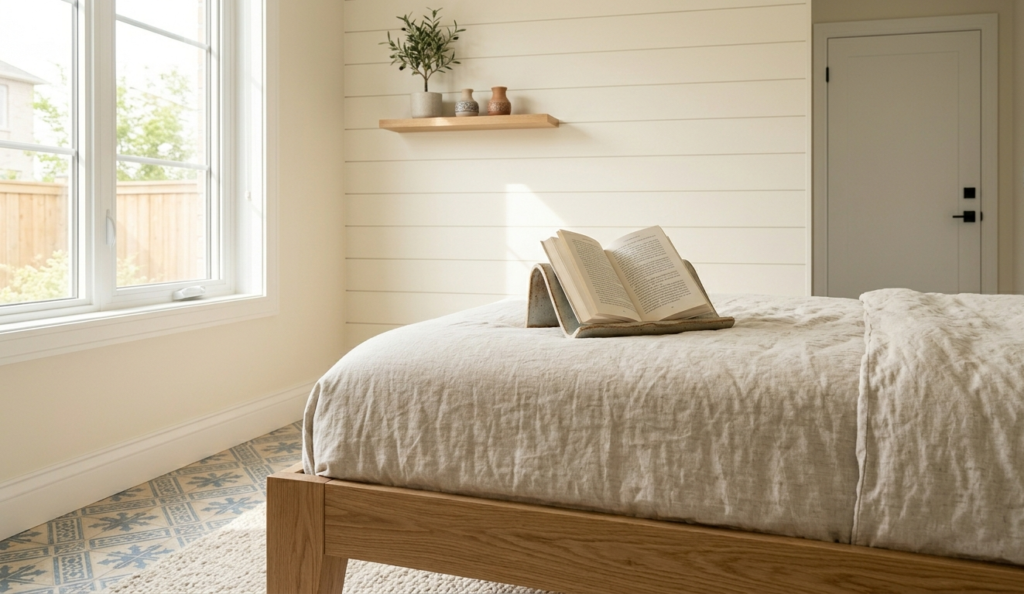
The kitchen is a great place to start your green journey. Replace plastic storage containers with glass or stainless steel alternatives. Small swaps, like using bamboo cutting boards and linen dish towels, contribute to a zero-waste aesthetic that looks beautiful on open shelving.
11. Ethical Sourcing and Fair Trade Decor
Support the humans behind the products. When buying decor, look for Fair Trade certifications which ensure that artisans are paid living wages and work in safe conditions. Choosing handcrafted items over mass-produced ones ensures your home decor supports global communities and traditional craftsmanship.