Minimalist Bedroom Ideas for Cozy Nights
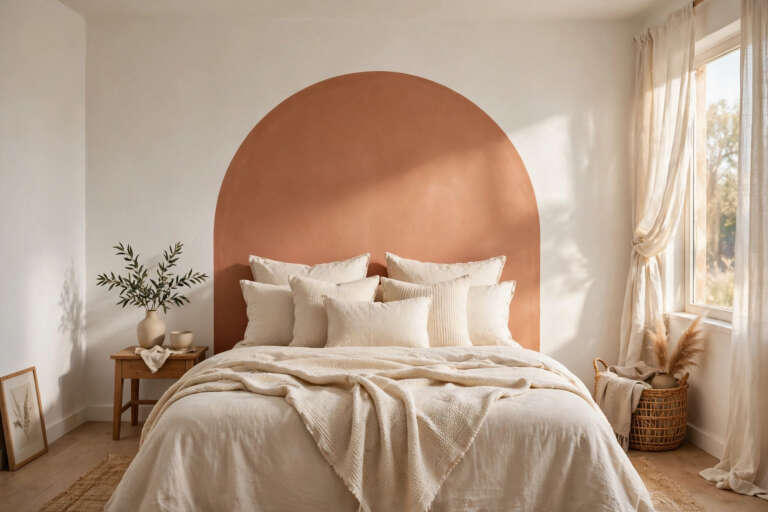
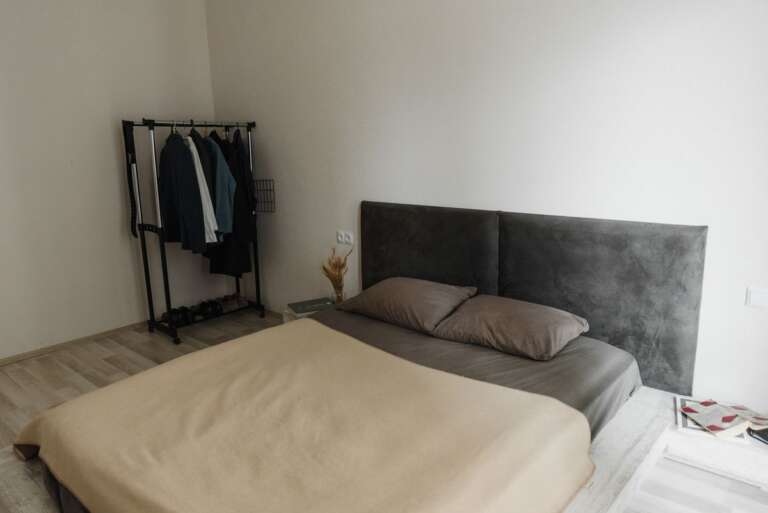
A minimalist bedroom should feel like an exhale, not an empty hotel room you are afraid to touch. The difference between serene and sterile is never the number of objects. It is the warmth of what remains: real texture, soft light, natural materials and nothing in the room that has not earned its place.
These minimalist bedroom ideas keep the discipline of less while protecting the one thing a bedroom exists for, deep and easy rest. Work from the bed outward, fix what touches your skin and your eyes first, and let every other decision support those two. By the end, the room will hold very little, and give back a great deal.
1. Choose a Low-Profile Bed Frame
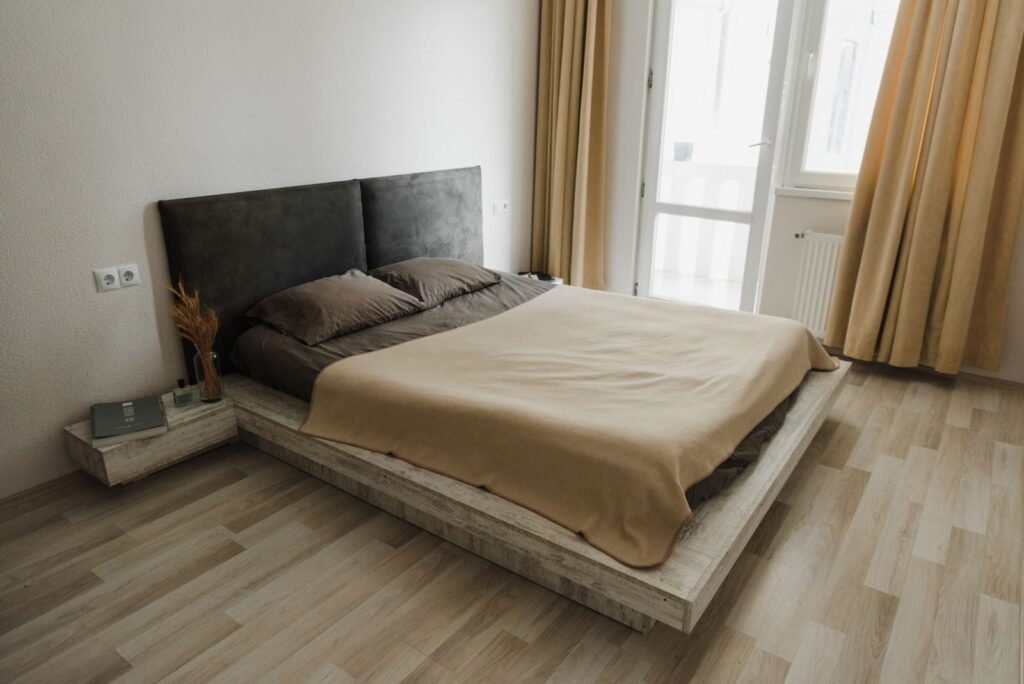
The bed is the largest object in the room, so its proportions set the tone for everything else. A low profile or platform frame leaves more open wall above it, which makes ceilings feel higher and the whole room airier without moving a single wall. Natural wood brings the warmth minimalism needs, while an upholstered frame in a neutral fabric softens the look further. Skip the footboard if space is tight, because open ended beds are easier to make and make small rooms feel longer. Whatever you choose, let the frame be simple enough that the bedding, not the furniture, becomes the visual event.
2. Layer Textures for Maximum Coziness

Texture is how a spare room avoids feeling cold. With the palette calm and the furniture count low, interest has to come from surfaces: a linen duvet with its natural creases, a chunky knit throw folded at the foot, a wool or woven rug under bare morning feet, one cushion in a nubby weave. Each layer is an invitation to touch, and touch is what the body reads as comfort. Keep layers within the same color family so the bed looks composed rather than piled. Two or three deliberate layers will always beat a mountain of scatter cushions that ends up on the floor every night.
3. The Power of a Neutral Color Palette

Whites, warm creams, stone and soft greys lower the visual volume of a room, and a bedroom is where you want the volume lowest. A neutral palette also forgives: bedding, curtains and furniture bought years apart still sit happily together when they share a tone family. The secret to keeping neutrals from going flat is range. Mix at least three depths, a pale wall, mid tone textiles and one deeper anchor like a wood frame or a charcoal throw. If you want color, dose it small and earthy, one sage cushion, a terracotta pot, a piece of art, so the calm stays in charge.
4. Declutter Your Nightstand Essentials

The nightstand is where minimalist bedrooms quietly fall apart, because it collects chargers, bottles, books, glasses and yesterday’s everything within arm’s reach of sleep. Give it rules. On top: a lamp, whatever you are currently reading, and water. Everything else lives in a drawer, which is why a nightstand with storage beats an open table in a small room. Route charging cables behind or inside the drawer so the surface stays clean even while phones charge overnight. Waking up to a clear surface is a small thing that sets the tone for the whole day, and falling asleep beside clutter does the opposite.
5. Incorporate Functional Greenery

One healthy plant does more for a minimalist bedroom than a shelf of ornaments. It adds organic shape against all those straight lines, brings in color without touching the palette, and signals that the room is alive rather than staged. A tall plant in an empty corner, like a fiddle leaf fig or a graceful palm, earns its floor space; a small trailing plant on a high shelf suits tighter rooms. Choose for your light and your habits, not for the photograph, and keep the pot simple and in keeping with the room. If plants reliably die in your care, a vase of branches or dried grasses gives a similar softness with no guilt.
6. Maximize Natural Light and Soft Lighting

Light is the mood control of a minimalist room, because there is so little else to do the job. By day, keep windows as bare as privacy allows, with sheers that filter glare while letting the room fill with daylight. By night, banish the harsh ceiling light and switch to warm, low sources: bedside lamps, a soft wall sconce, bulbs in the warm range that flatter skin and signal the body to wind down. Put lamps where you read and dress, not just where sockets happen to be. If your ceiling light must stay, a dimmer or a warm smart bulb turns it from interrogation to ambience for very little money.
7. Strategic Wall Art and Negative Space

In a minimalist bedroom, empty wall is a design choice, not an unfinished one. One generous piece of art, hung with intention above the bed or on the main wall, will do more than a scatter of small frames, and the bare space around it is exactly what makes it feel expensive. Choose art in tones that sit inside the room’s palette, with a simple frame, and hang it lower than instinct suggests so it connects with the furniture instead of floating. Resist the urge to balance it with something on every other wall. Negative space is what lets your eyes, and your mind, actually rest.
8. Integrated Storage Solutions

Minimalism fails fastest at storage, because everything removed from sight has to go somewhere honest. Build storage into the furniture you already need: drawers under the bed for spare bedding and out of season clothes, a storage ottoman at the foot for throws, a wardrobe with organizers that use its full height. When every object has a home, tidying takes two minutes, and the room returns to calm quickly after real life happens. Prefer closed storage over open in the bedroom, since hidden clutter cannot disturb sleep. Audit once a season, because integrated storage fills silently, and donate whatever no longer earns its drawer.
9. Choose “Quiet” Window Treatments

Window treatments in a minimalist bedroom should disappear politely while doing two hard jobs: darkening the room for sleep and softening its acoustics. Floor length curtains in a fabric close to the wall color make walls feel taller and remove the visual chop of a short, contrasting blind. Add a blackout lining rather than a second obvious layer, so the look stays single and calm. Sheers behind the main curtain handle daytime privacy without heaviness. Keep hardware minimal and mounted high, near the ceiling, to stretch the wall. When curtains, walls and bedding share one quiet tone family, the whole room seems to breathe more slowly.
10. Focus on High-Quality Bedding

Minimalism concentrates spending where it matters, and in a bedroom nothing matters more than what touches you for eight hours. Good natural bedding, breathable cotton or linen sheets, a duvet with real loft, pillows that actually support your sleep position, improves rest in a way no decorative object can. It also looks better: quality fabric drapes smoothly, photographs honestly and survives weekly washing without thinning or pilling. Buy one excellent set and a backup rather than four cheap ones, wash cool, and skip the decorative cushion army on top. A bed that is easy to make is a bed that stays made, and a made bed is half the minimalist look.
11. Create a Tech-Free Zone

The final minimalist move is invisible: take the screens out. A television on the wall and a phone glowing on the nightstand keep the brain in daytime mode long after the body is in bed, and their cables and stands fight the calm you built with every other choice here. Charge phones in another room or inside a closed drawer, swap the scrolling for a book and a lamp, and let an old fashioned alarm clock do the morning job if you need one. Most people who try a tech free bedroom for a week report the same surprise: evenings get longer, in the good way.
Conclusion
A cozy minimalist bedroom is not about owning almost nothing. It is about making sure that everything in the room either helps you rest or genuinely pleases you, and letting the rest go. A low bed, honest textures, a quiet palette, hidden storage and warm low light do the heavy lifting; a clear nightstand and a phone free nightstand policy protect the result. Change one layer at a time and sleep in the room between changes, because your rest is the only review that counts. When the room feels calm at midnight and kind at seven in the morning, you are done.
Also worth a look: japandi style ideas.
For the next step, see these hotel style bedding layers.
This pairs well with our guide to small bedroom layouts that fit more than a bed.
Frequently Asked Questions
How do I make a minimalist bedroom feel cozy instead of cold?
Add warmth through texture and light rather than through more objects. Layer linen, wool and knit in one color family, choose warm toned lamps over ceiling light, and use natural wood as your main accent material.
What colors work best in a minimalist bedroom?
Warm whites, creams, stone and soft greys form the classic base. Keep three depths in play so the room has dimension, then add one small earthy accent, like sage, clay or muted rust, if you want a hint of color.
Where do I store things in a minimalist bedroom?
Inside the furniture: under bed drawers, a storage ottoman, a nightstand with a drawer and a wardrobe organized to its full height. Closed storage is the rule, because hidden clutter cannot disturb the calm or your sleep.
Is a low profile bed a good idea in a small bedroom?
Yes. A low frame leaves more open wall above the bed, which makes the ceiling feel higher and the room larger. Skip the footboard in very small rooms to gain floor space and easier bed making.